
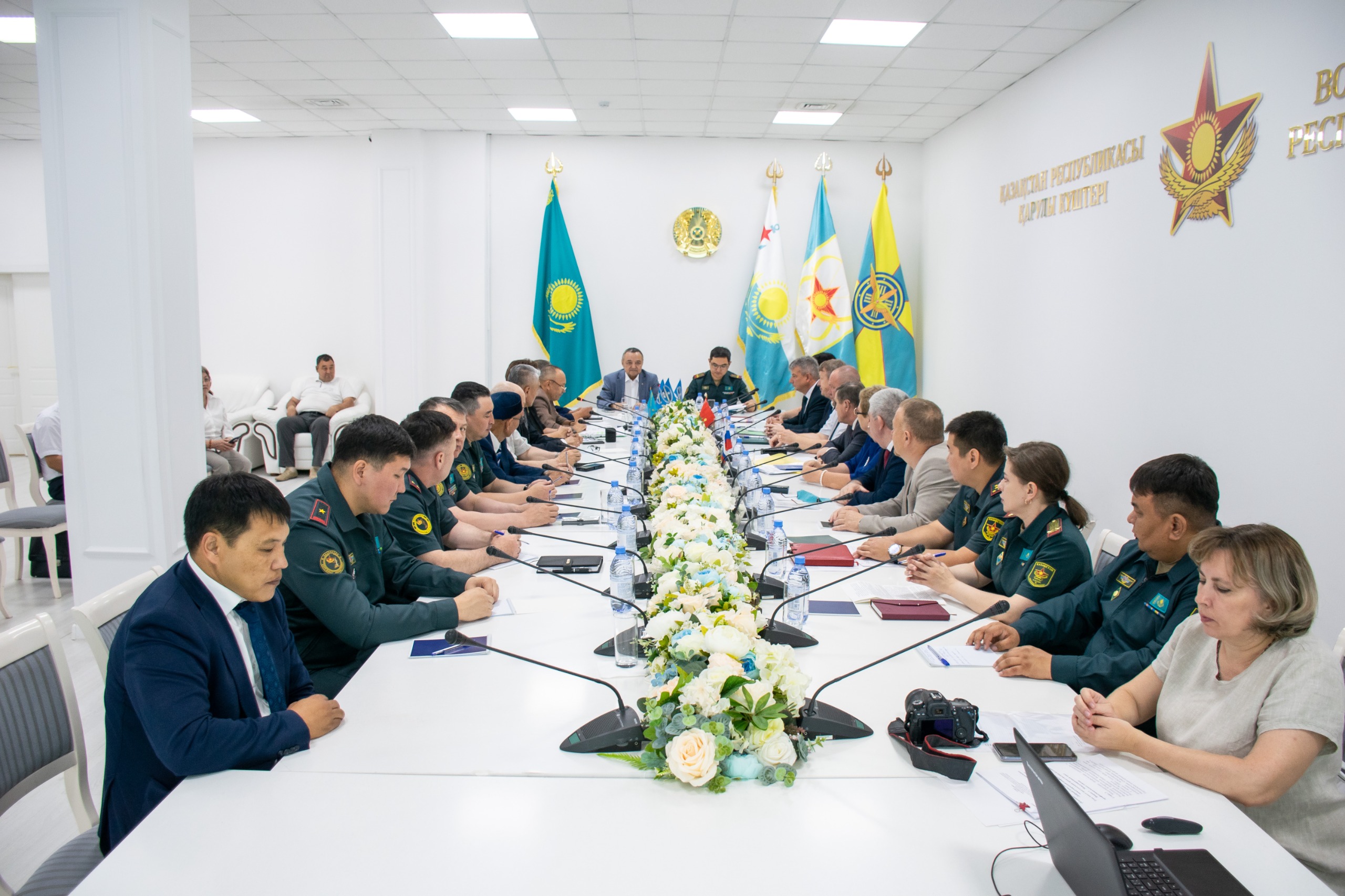
On 10 June, Mukhtar Tinikeyev, First Deputy Chairman of the Federation of Trade Unions of the Republic of Kazakhstan (FTURK), participated in an international conference organized by the International Trade Union Confederation on the theme: “Development of Social Partnership and Protection of Labour Rights of Civilian Personnel of the Armed Forces: International Experience and Modern Approaches.”
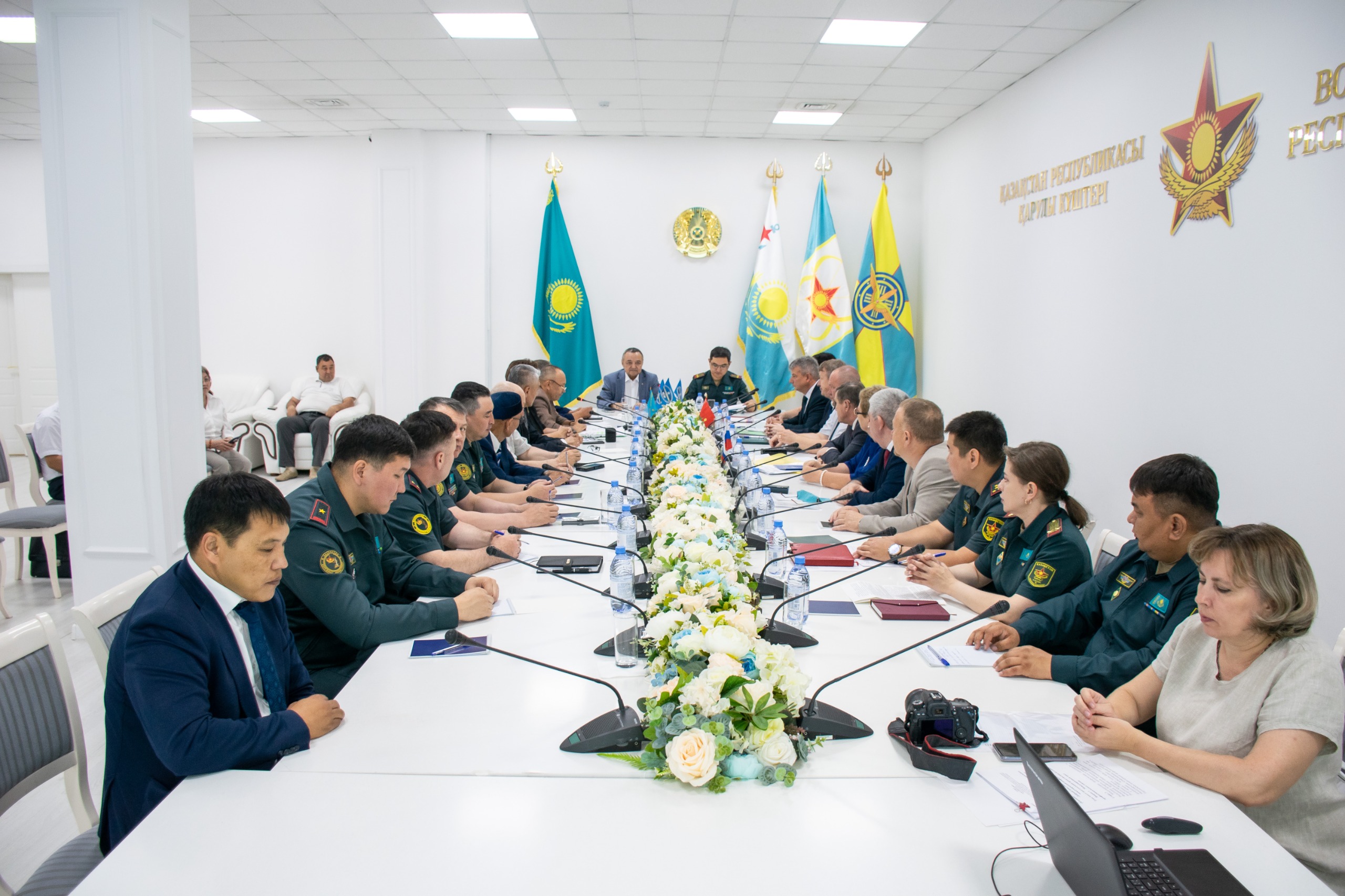
The conference was jointly organized by the Sectoral Trade Union of Employees of the Armed Forces, Other Troops and Military Formations of the Republic of Kazakhstan and the International Association of Trade Unions. The event brought together representatives of the Ministry of Defence of the Republic of Kazakhstan, trade union leaders, international delegations, and experts in labour relations and workers’ rights protection.
In his welcoming remarks, First Deputy Chairman of FTURK Mukhtar Tinikeyev emphasized the special role of the Armed Forces in ensuring national security and highlighted the importance of protecting the social and labour rights of civilian personnel supporting the defence sector.
Mukhtar Tinikeyev noted that defence and security issues have always occupied an important place in his professional career and personal experience. He recalled his military service, participation in public and political activities, and cooperation with defence institutions throughout various stages of Kazakhstan’s independent development.
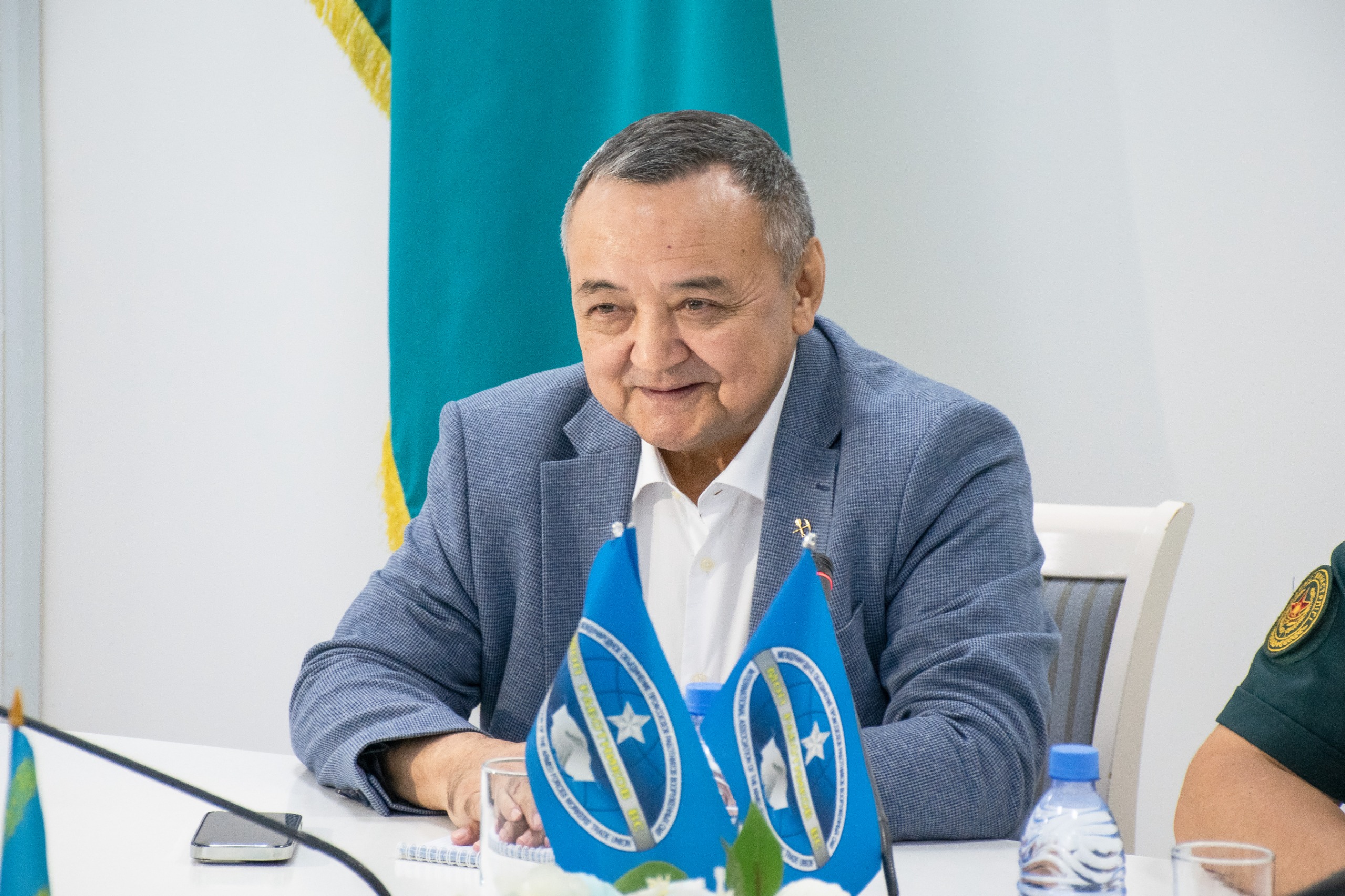
“The Armed Forces of our countries serve as a reliable foundation for security and stability. At the same time, the effective functioning of the military would be impossible without thousands of civilian specialists who ensure the daily operation of military units, institutions, and defence infrastructure facilities. Therefore, protecting their labour rights and ensuring decent working conditions and social guarantees remain among the most important tasks of the trade union movement,” emphasized Mukhtar Tinikeyev.
The First Deputy Chairman of FTURK also noted that in most countries military personnel enjoy a special legal status, while civilian employees in the defence sector require additional mechanisms for representing and protecting their social and labour interests.
“It is trade unions that provide workers with protection, promote social dialogue, and strengthen fair labour relations. Today, it is particularly important to study and implement best international practices, exchange experience, and develop joint solutions aimed at improving the quality of life of working people,” he said.
Mukhtar Tinikeyev expressed confidence that the conference would serve as an effective platform for professional dialogue between trade union representatives and public authorities from different countries, and that its recommendations would contribute to the further development of social protection mechanisms for workers in the defence sector.
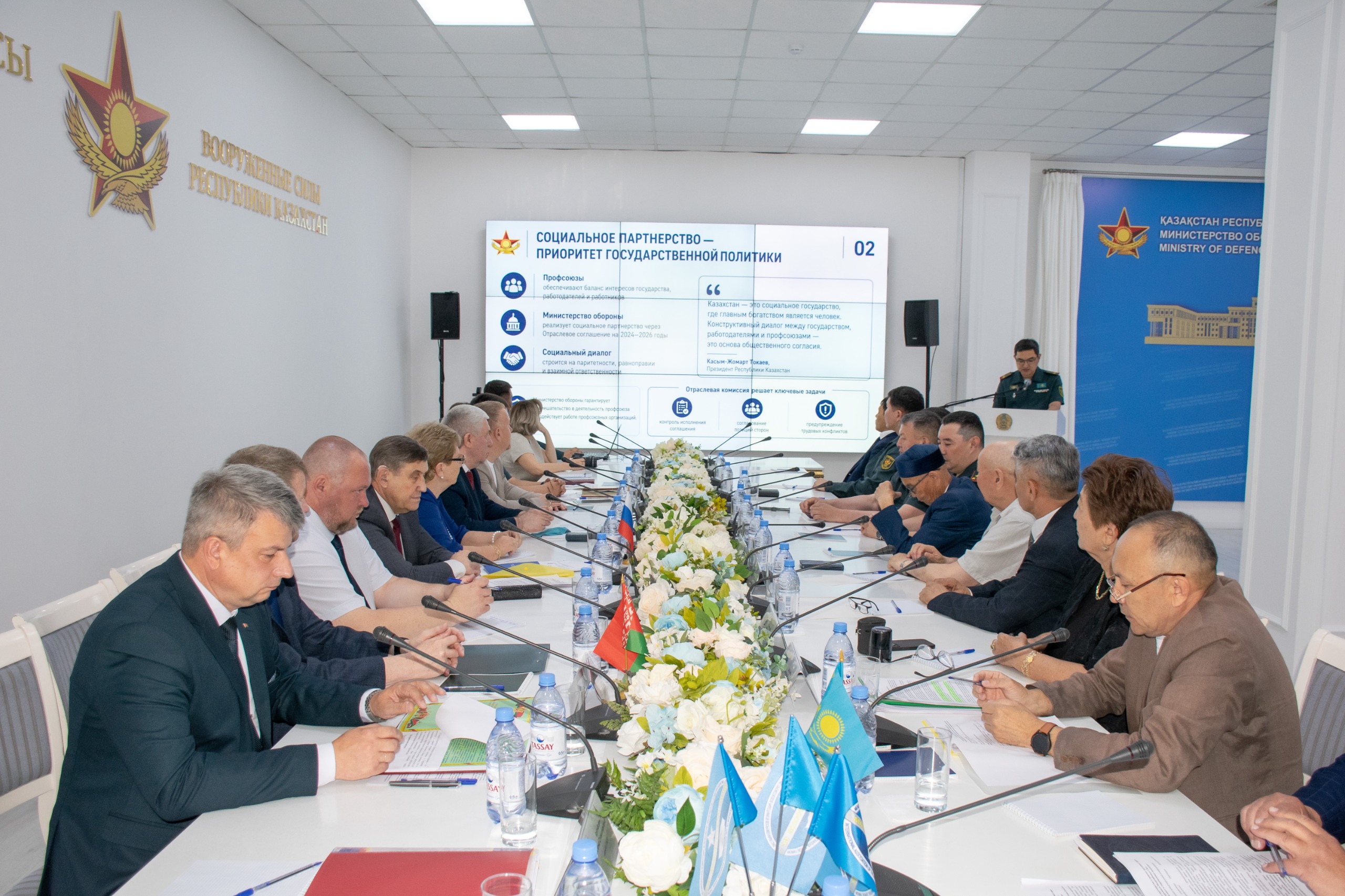
A welcoming address on behalf of the Minister of Defence of the Republic of Kazakhstan was delivered by Lieutenant Colonel Arman Kalyshev, Head of the Psychological and Military-Social Work Division of the Department of Educational and Ideological Work of the Ministry of Defence.
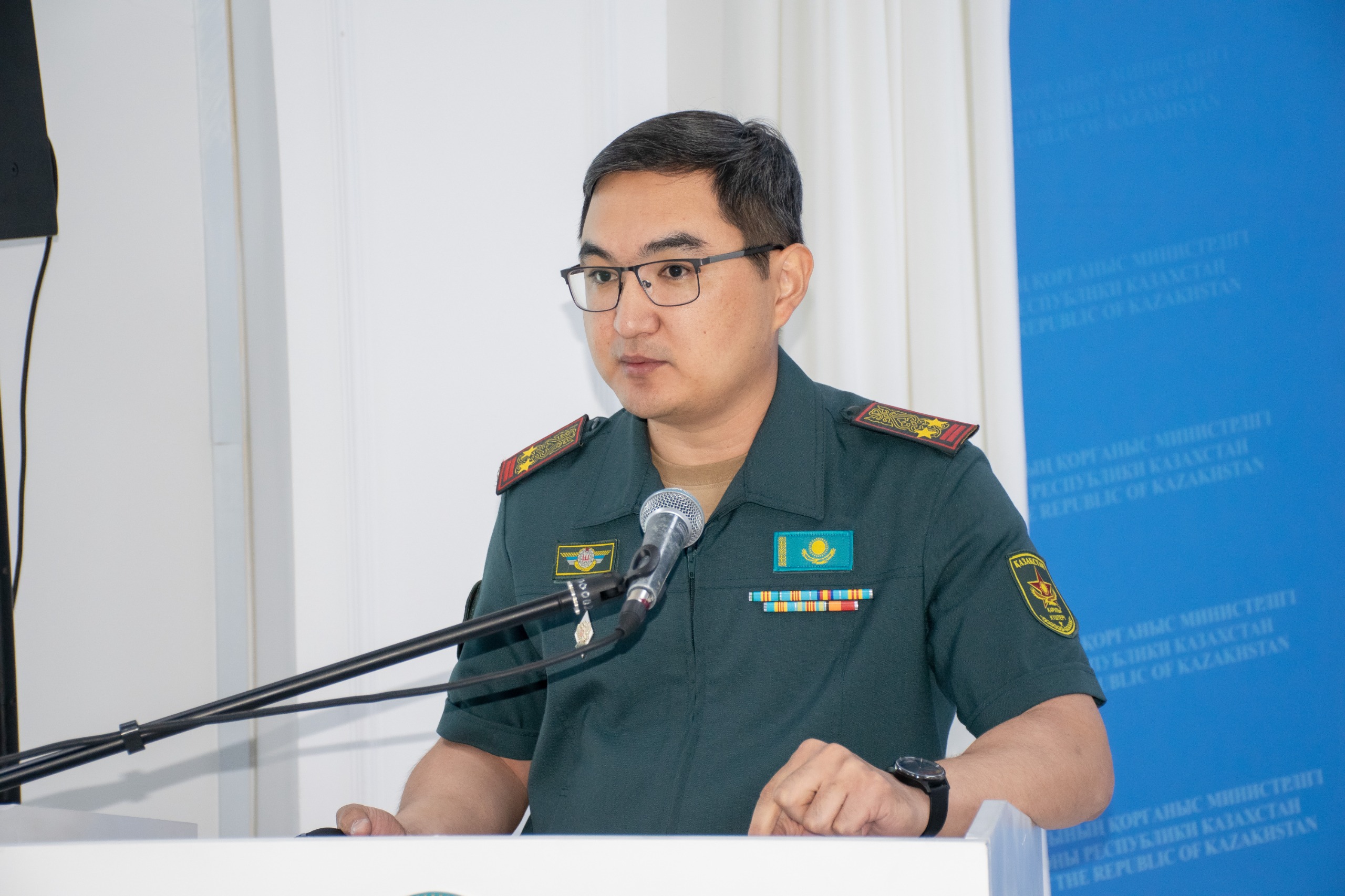
He noted that social partnership remains one of the key instruments for ensuring stable labour relations. Particular attention was paid to the implementation of the Sectoral Agreement between the Ministry of Defence of the Republic of Kazakhstan and the Sectoral Trade Union of Employees of the Armed Forces for 2024–2026.
Torekhan Erdenbekov, Chairman of the Sectoral Trade Union of Employees of the Armed Forces, Other Troops and Military Formations of the Republic of Kazakhstan, informed participants about the practical experience of cooperation with the Ministry of Defence and the protection of workers’ labour rights.
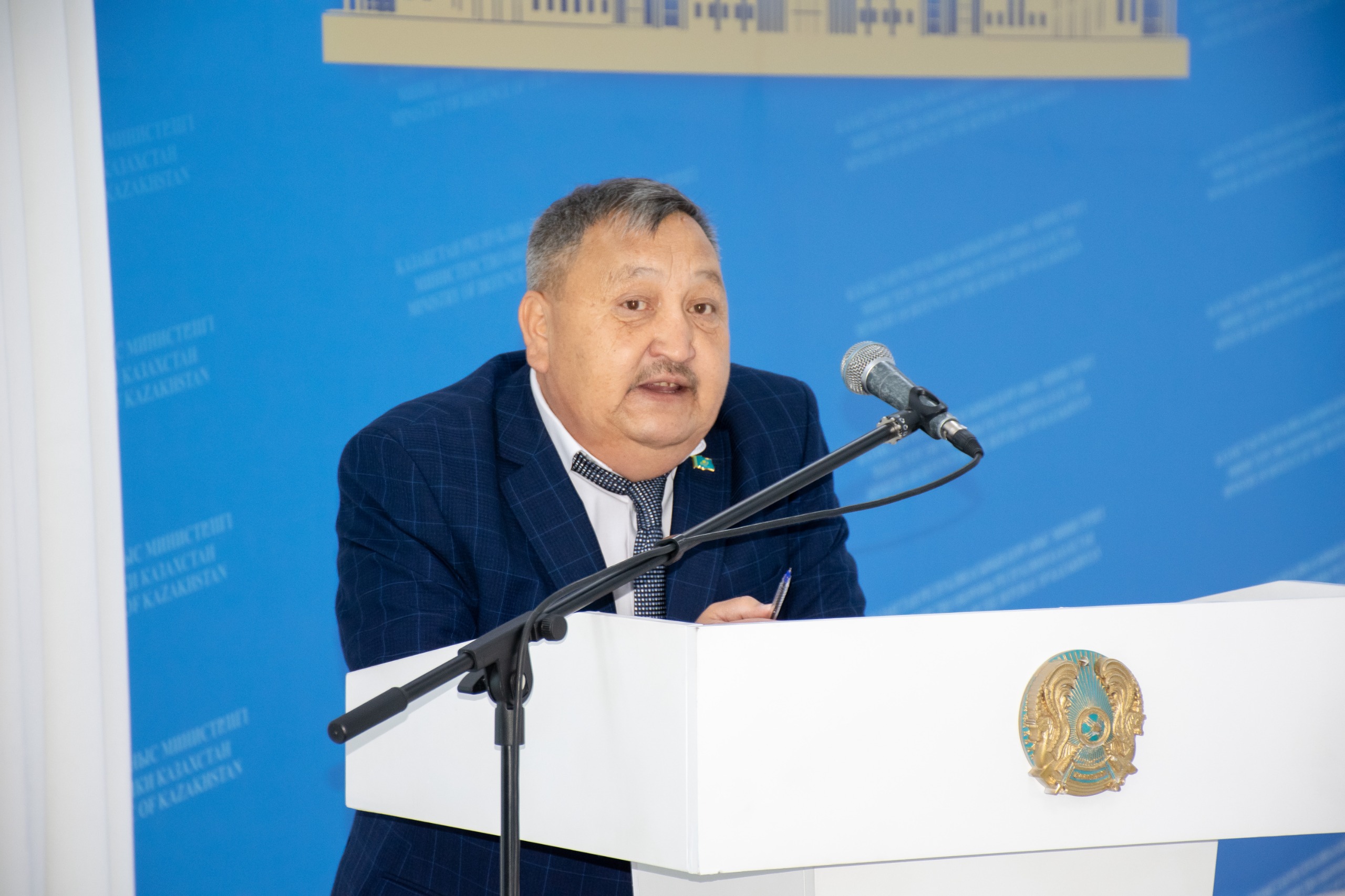
He noted that the trade union, established in 1992, currently represents approximately 90 percent of civilian personnel within the Armed Forces, while cooperation with the Ministry of Defence is carried out through a sectoral commission and collective bargaining mechanisms.
According to him, the sectoral agreement serves as an effective instrument for developing collective agreements within military units and institutions, enabling the transition from the general provisions of the Labour Code to enhanced social guarantees.
Torekhan Erdenbekov reported that labour guarantees for civilian personnel have been significantly expanded. Additional paid leave has been introduced, including up to nine calendar days for specific categories of work covering 46 occupational positions, as well as three and five additional calendar days for employees with more than 10 and 15 years of service respectively.
“Taking all applicable grounds into account, the annual paid leave of certain categories of employees may reach 33 calendar days or more,” he emphasized.
He also highlighted additional social guarantees, including three calendar days of leave for employees with two or more children under the age of 12, as well as for parents of children with disabilities under the age of 18.
“In terms of material support, financial assistance linked to the minimum wage is provided. Depending on the circumstances—such as the birth of a child, marriage, medical treatment, emergencies, or the loss of close relatives—employees may receive assistance equivalent to three to five minimum wages. Some payments reach KZT 255,000, reflecting the transition to a more sustainable system of social protection,” said the Chairman of the sectoral trade union.
He also described the existing incentive mechanism under which savings from budget allocations may be used for employee bonuses and financial assistance.
“In the field of occupational safety and health, joint production councils operate on a parity basis, bringing together representatives of both the trade union and the employer. Their decisions are binding. Regular workplace assessments are conducted, and employees are provided with personal protective equipment and compensation for hazardous working conditions,” Torekhan Erdenbekov noted.
The Chairman of the sectoral trade union emphasized that in recent years between 98 and 99 percent of individual labour disputes have been resolved at the level of military units and institutions, with only isolated cases requiring escalation to the Ministry of Defence.
Special attention is also devoted to occupational safety, prevention of workplace risks, development of public oversight mechanisms, and legal education for employees.
“During the past year alone, the trade union, together with the Ministry of Defence, conducted extensive awareness-raising activities in military garrisons and units across the country, covering virtually all regions where the Armed Forces are present,” he added.
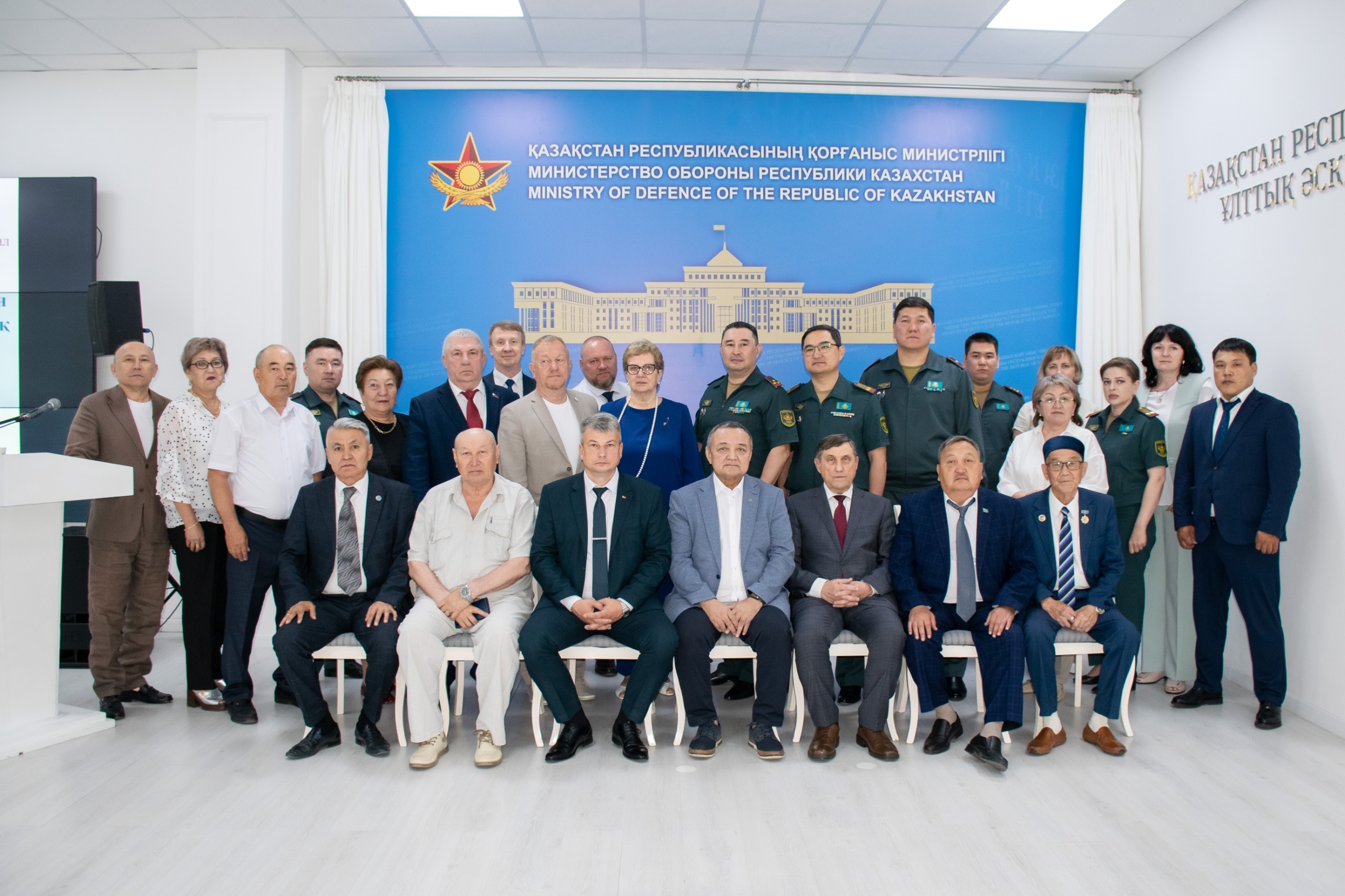
Participants in the international conference noted that the cooperation between the Ministry of Defence of the Republic of Kazakhstan and the sectoral trade union represents a successful example of constructive dialogue between the state and workers’ representatives.
The conference also discussed prospects for the development of the International Association of Trade Unions, exchanged experience in implementing employee social support programmes, and reviewed modern approaches to improving labour legislation and social dialogue mechanisms.
FTURK Trade Union Communications Centre