
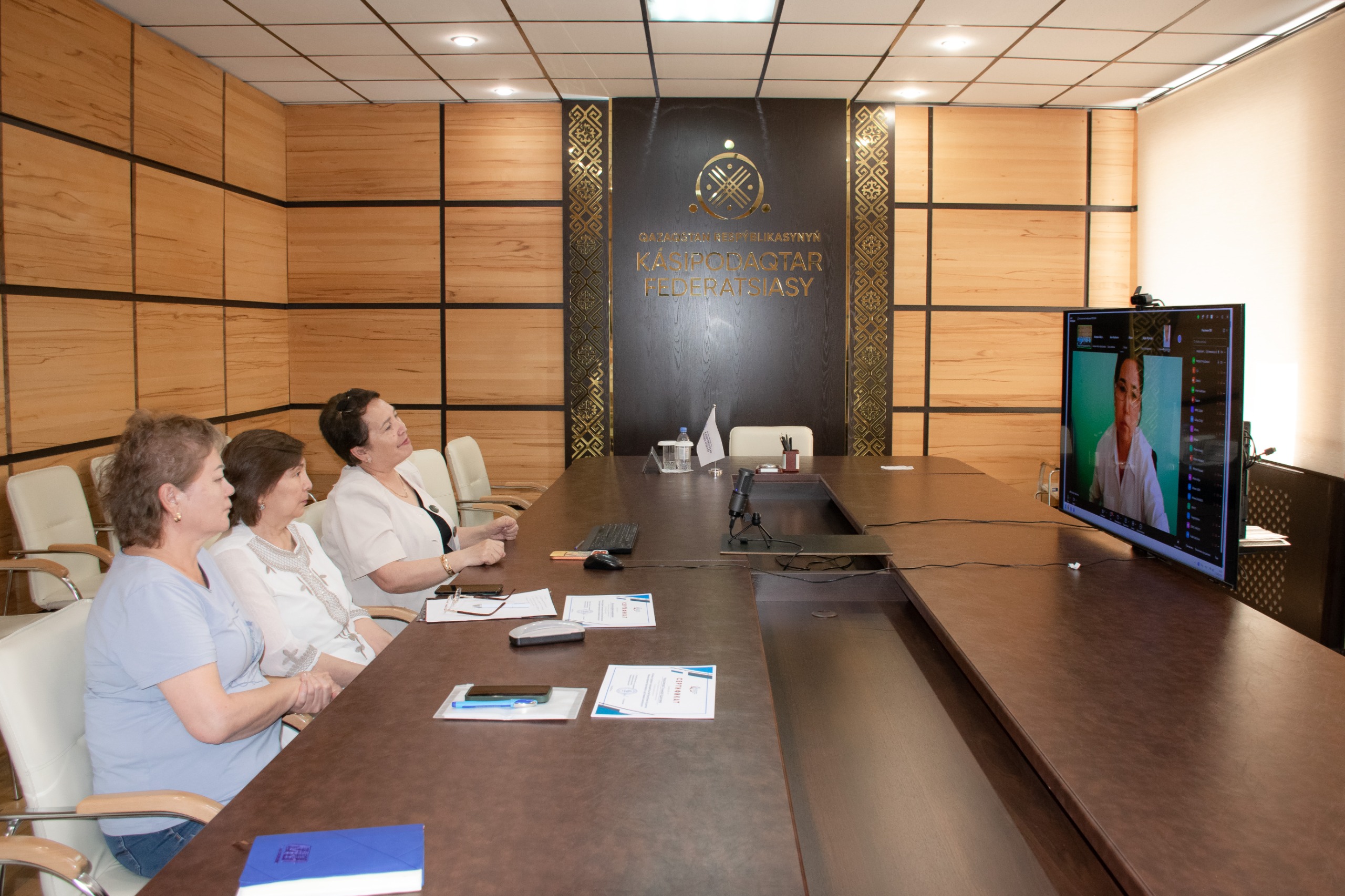
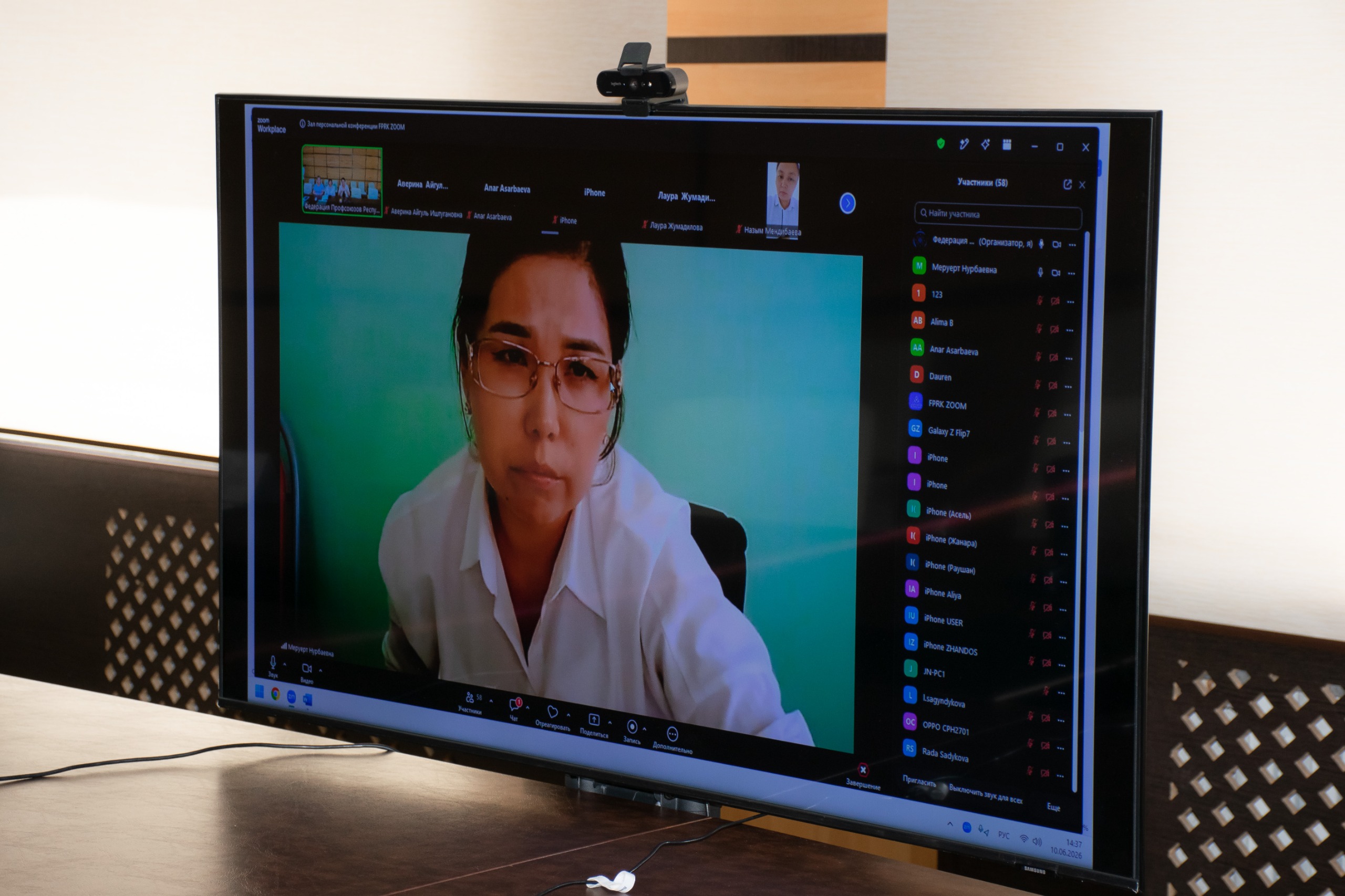
The Training Centre of the Federation of Trade Unions of the Republic of Kazakhstan (FTURK) conducted an online seminar for members of conciliation commissions representing trade union activists from the Sectoral Trade Union of Public Institution Employees “Qyzmet” of Astana and the Sectoral Trade Union of Communications and Telecommunications Workers.
The training focused on the resolution of individual labour disputes, the activities of conciliation commissions, and recent developments in labour legislation.
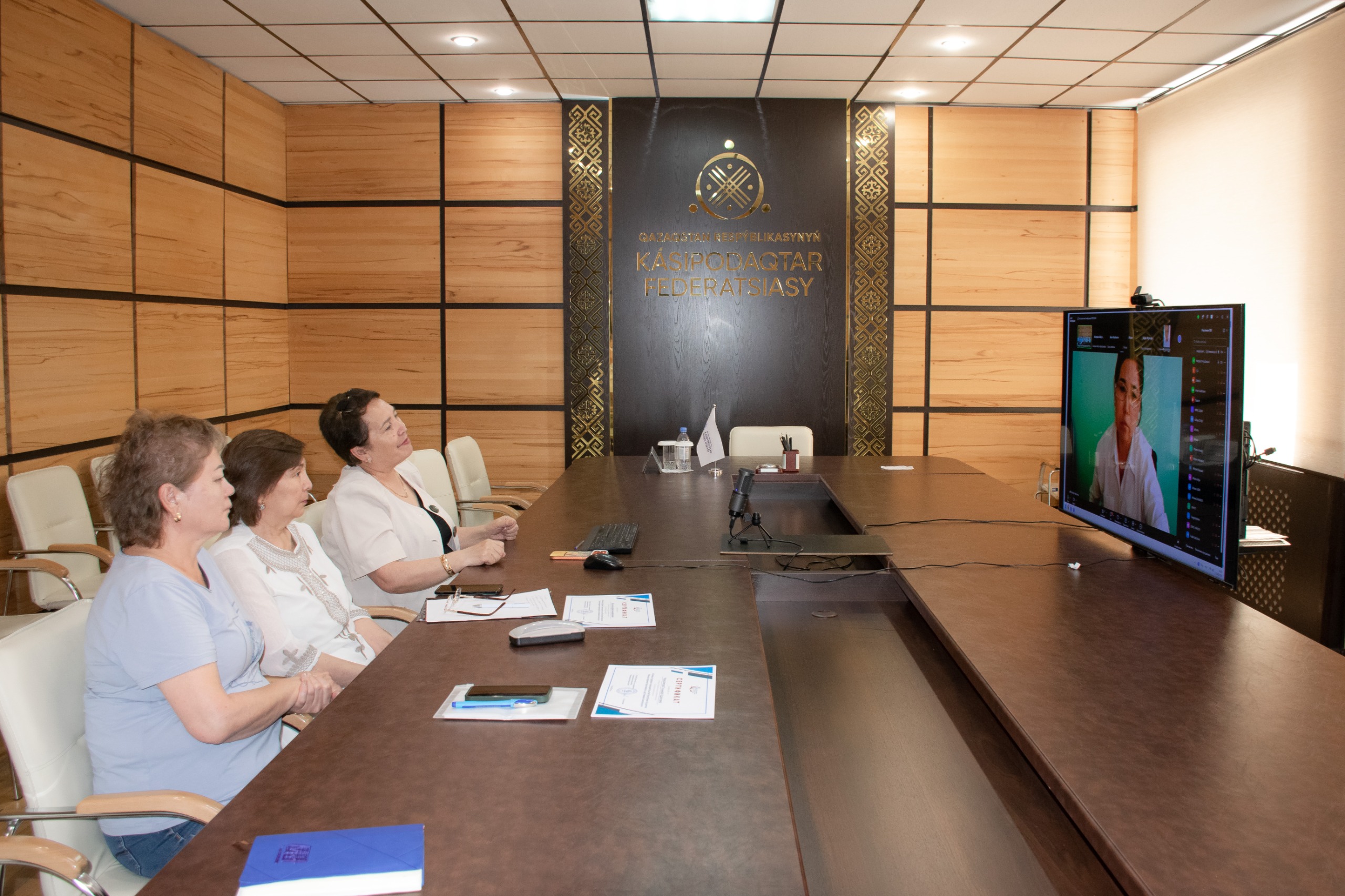
The seminar was led by Lyazzat Eszhanova, Director of the FTURK Training Centre. During the session, she emphasized that, in today’s environment, conciliation commissions have become one of the key mechanisms for preventing labour conflicts and maintaining stability within workplaces.
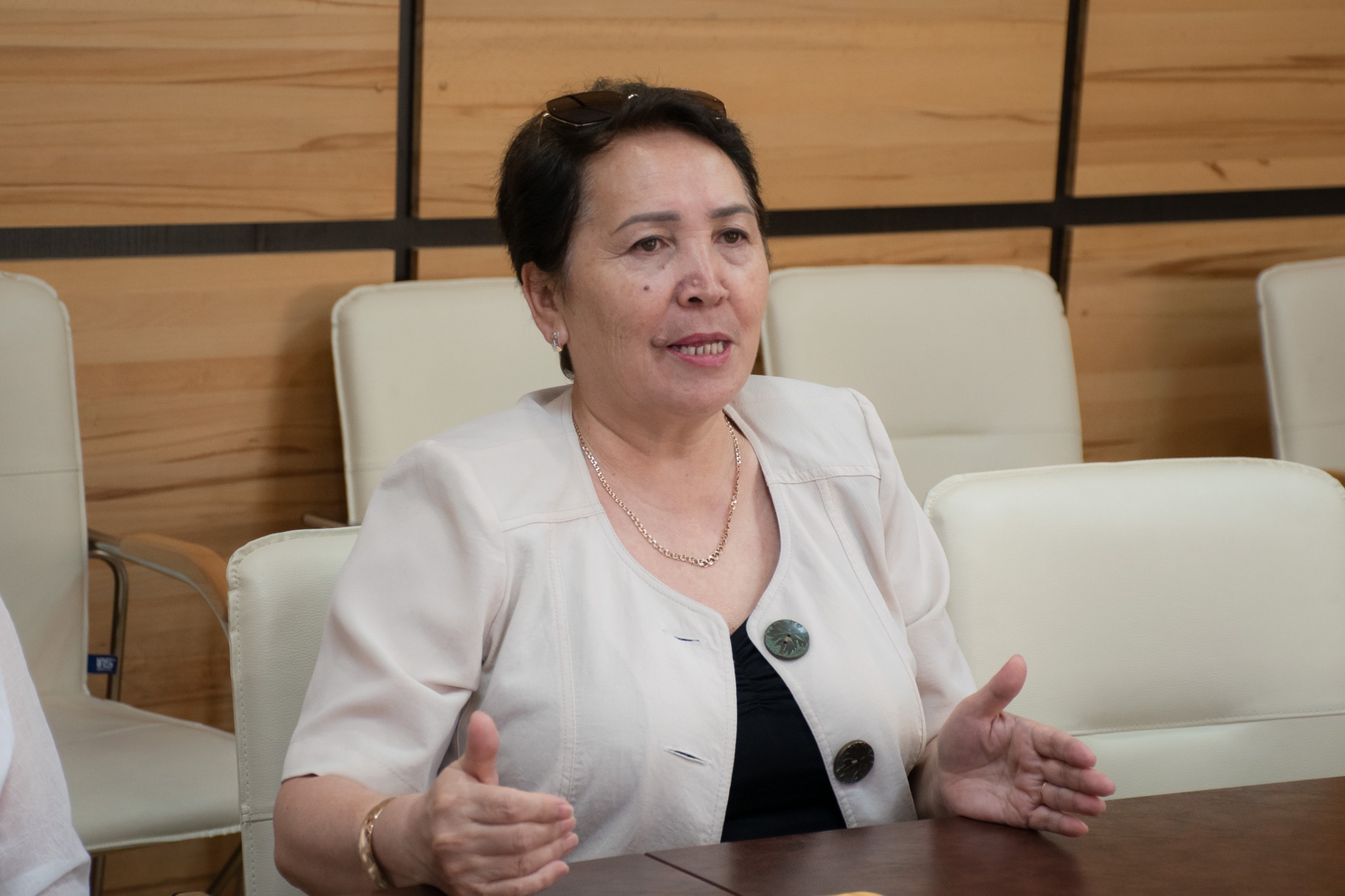
“Today, it is not enough to know the provisions of the law. It is equally important to understand how they are applied in practice and to be able to use them to prevent conflicts before they escalate. This is why the training of conciliation commission members has become particularly relevant,” noted Lyazzat Eszhanova.
According to her, the effectiveness of a commission largely depends on the professional competence of its members, the objective consideration of complaints, and strict adherence to the principle of equal representation of both parties.
“A conciliation commission is neither a formal body nor a platform for confrontation between employees and employers. Its primary purpose is to find a lawful and fair solution that preserves social dialogue and restores violated rights,” the speaker stressed.
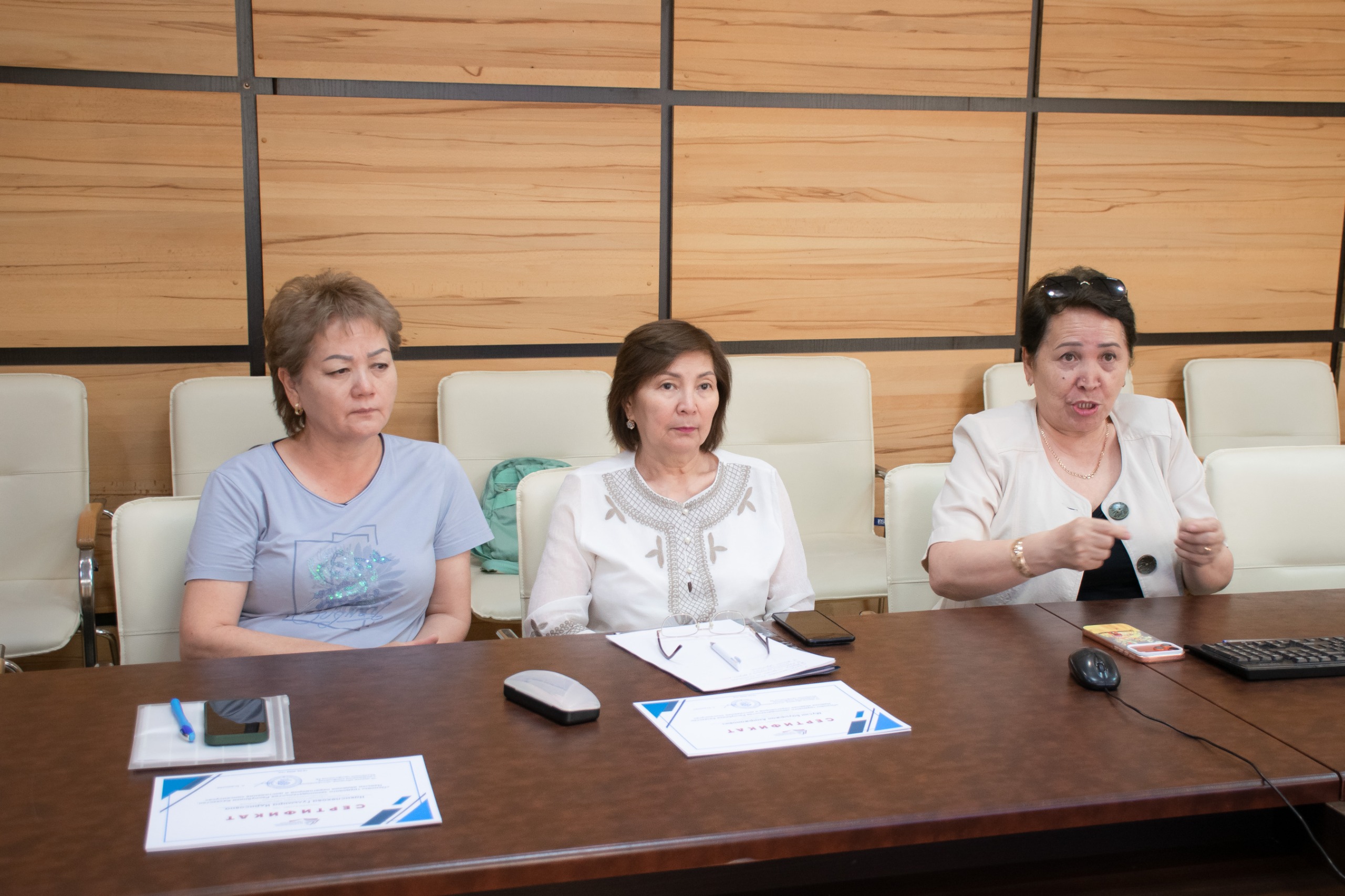
Participants paid particular attention to the practical aspects of resolving individual labour disputes. Using real-life examples, they examined the most common workplace conflict situations and reviewed procedures for their settlement through pre-trial mechanisms.
Special emphasis was also placed on the prevention of labour conflicts.
“The best way to resolve a labour dispute is to prevent it from arising in the first place. When both parties discuss emerging issues in a timely manner and make full use of social partnership mechanisms, most problems can be resolved without conflict escalation,” Lyazzat Eszhanova noted.
During the discussion, participants reviewed practical issues related to the application of labour legislation, exchanged experiences from their work on conciliation commissions, and received recommendations on handling complex categories of labour disputes.
FTURK Trade Union Communications Centre