
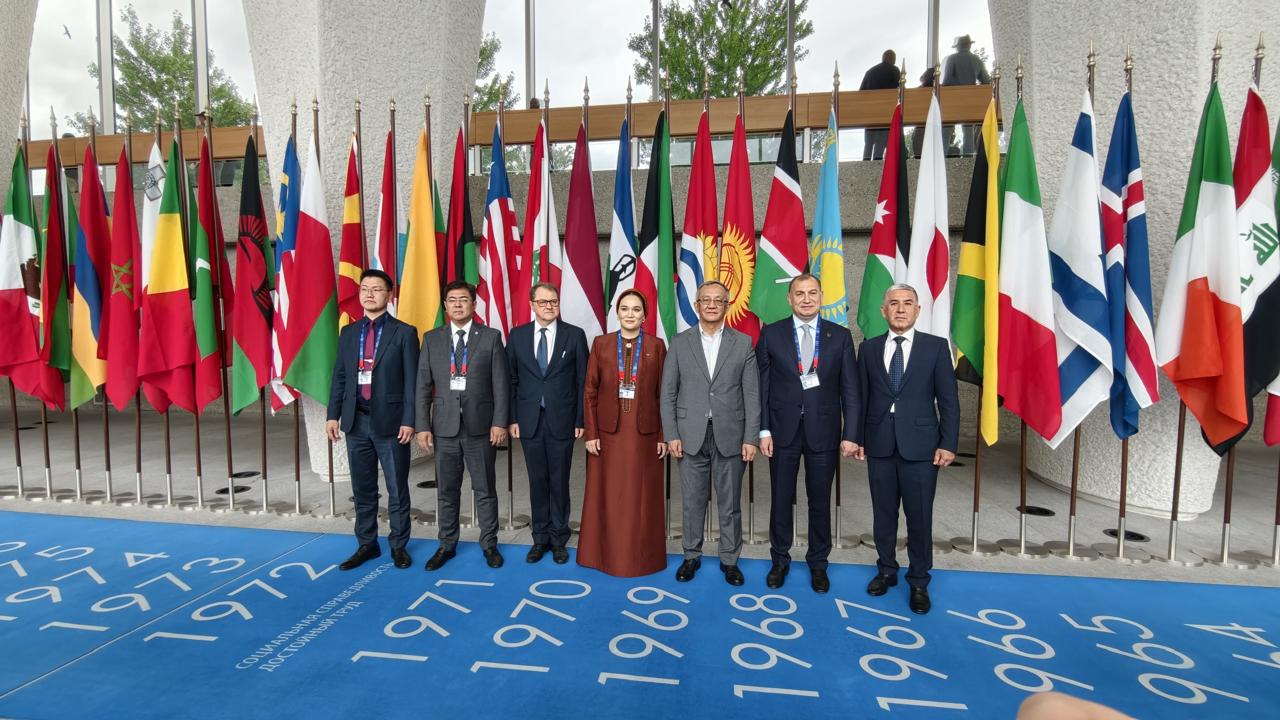
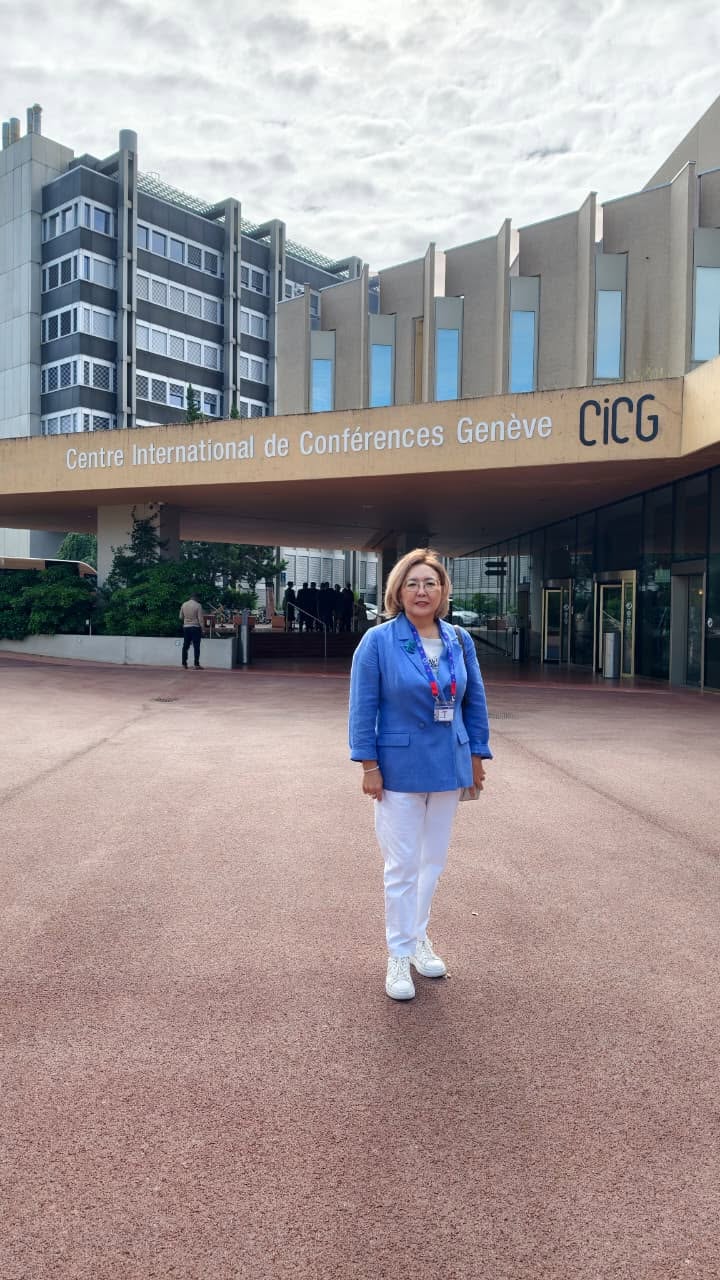
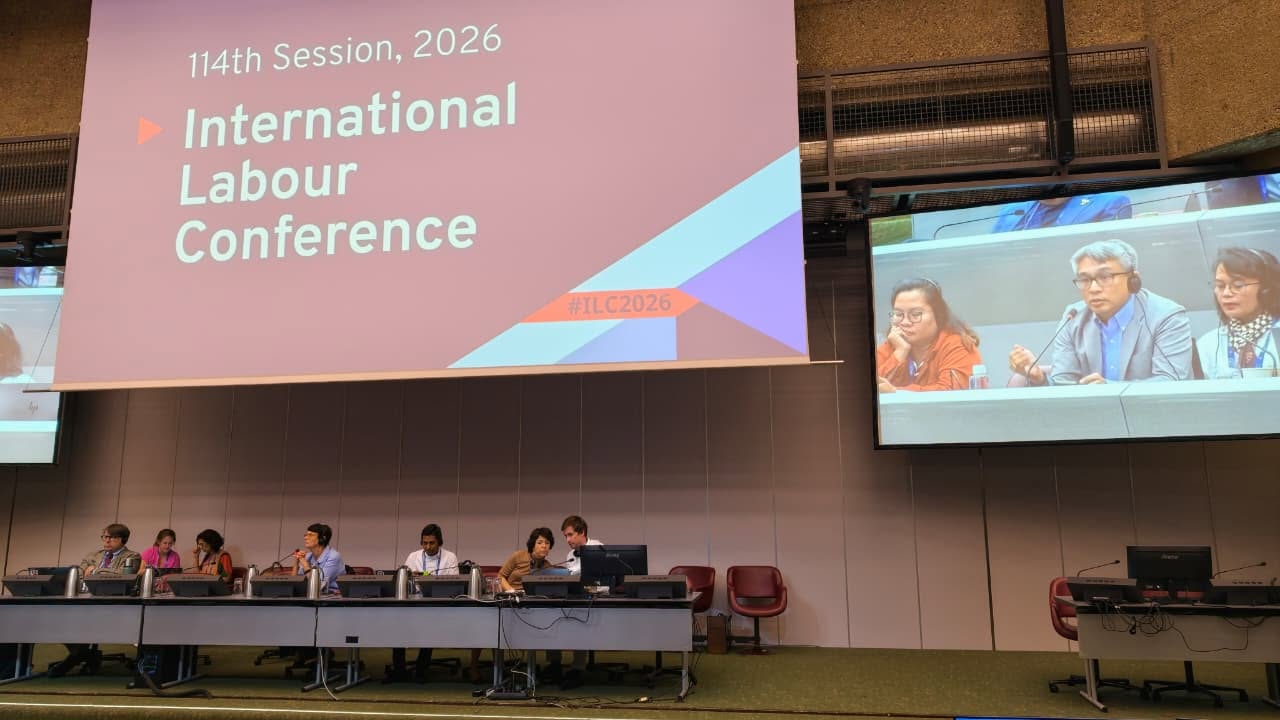
On Friday, 12 June, the 114th Session of the International Labour Conference (ILC) of the International Labour Organization (ILO) concluded its work in Geneva. The Conference brought together representatives of governments, employers, and workers from the ILO’s 187 member States, once again reaffirming its status as the leading international platform for shaping decisions that define the future of work, social justice, and sustainable development.
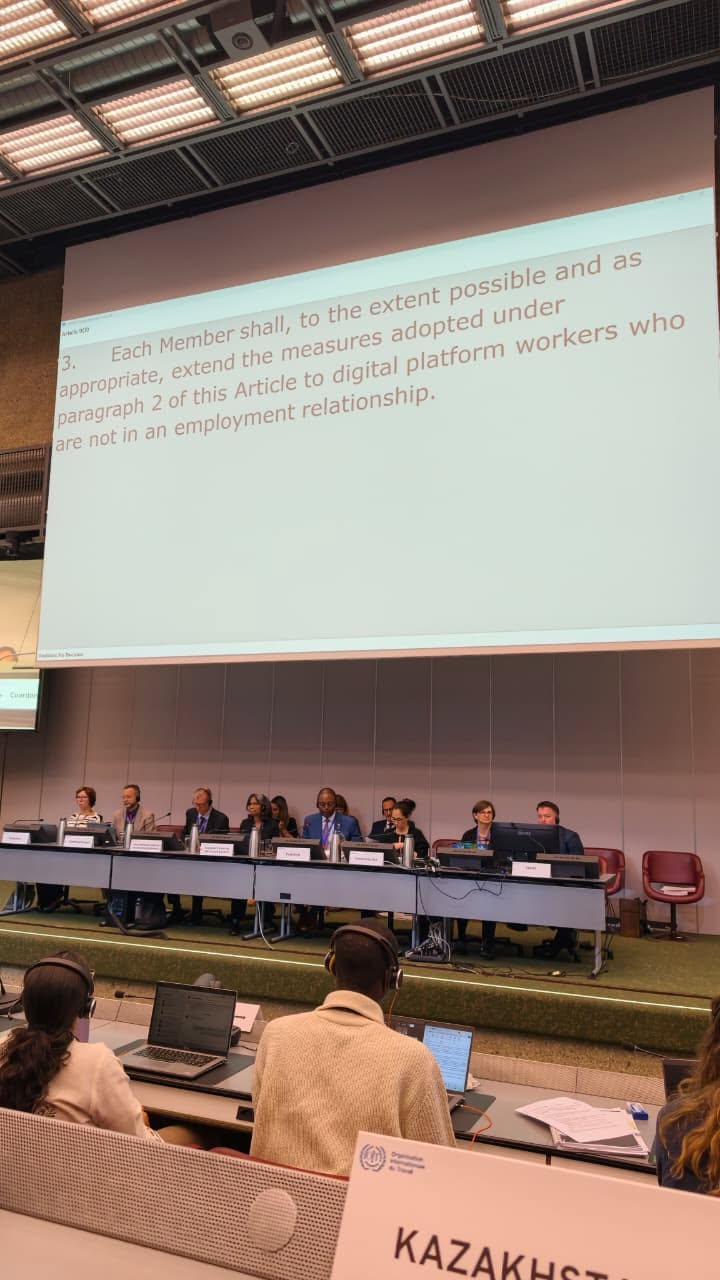
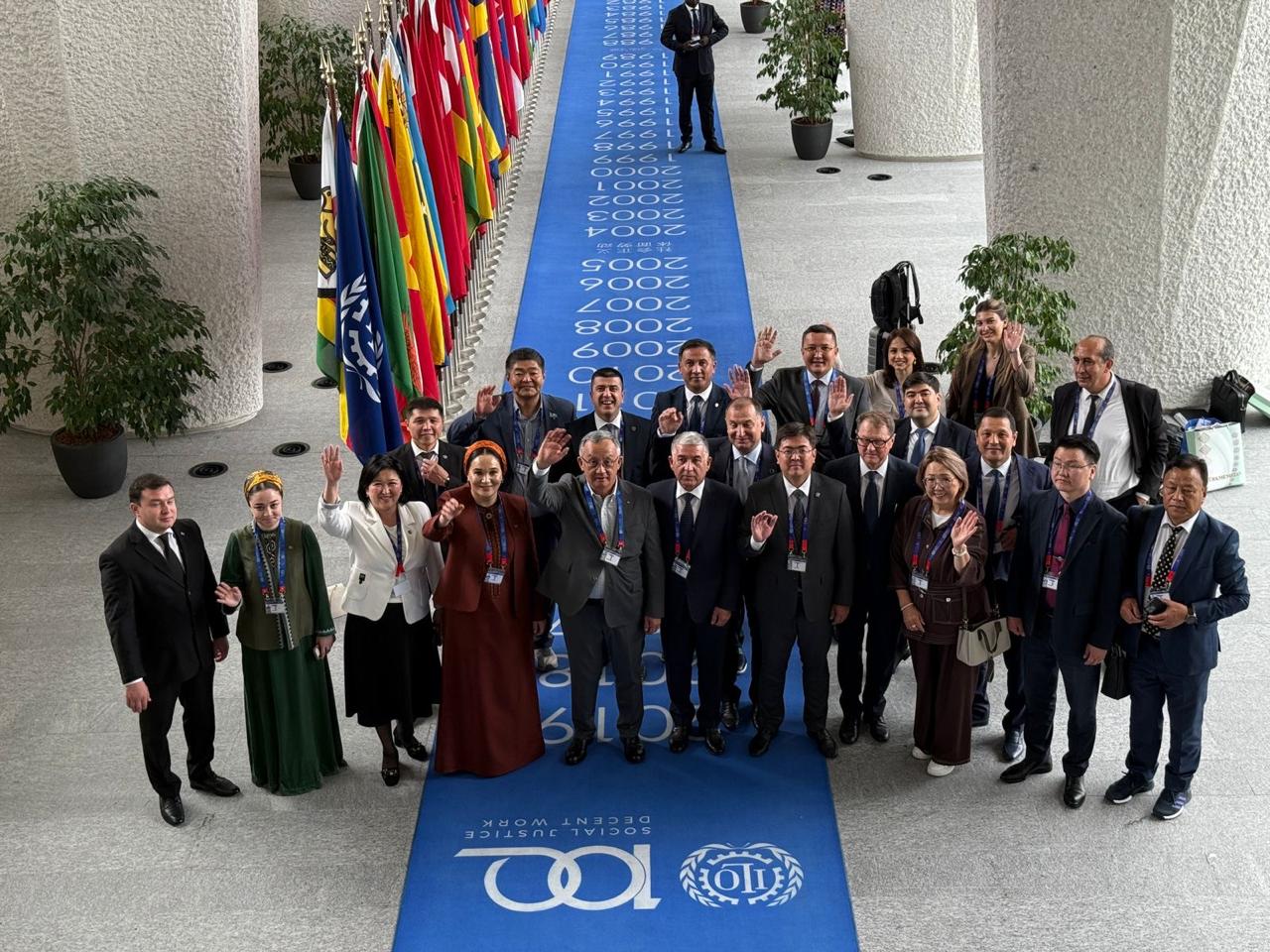
The delegation of the Federation of Trade Unions of the Republic of Kazakhstan (FTURK), led by its Chairman Satybaldy Dauletalin, actively participated in plenary sittings, international consultations, the work of ILO and International Trade Union Confederation (ITUC) committees, and held a series of bilateral meetings with international partners.
The central theme of this year’s session was the transformation of labour markets under the influence of digitalization and artificial intelligence.
Particular attention was paid to the report of ILO Director-General Gilbert F. Houngbo, “A Moment of Choice: Harnessing Artificial Intelligence for Decent Work,” which emphasized the need for a human-centred approach to technological transformation.
.jpeg)
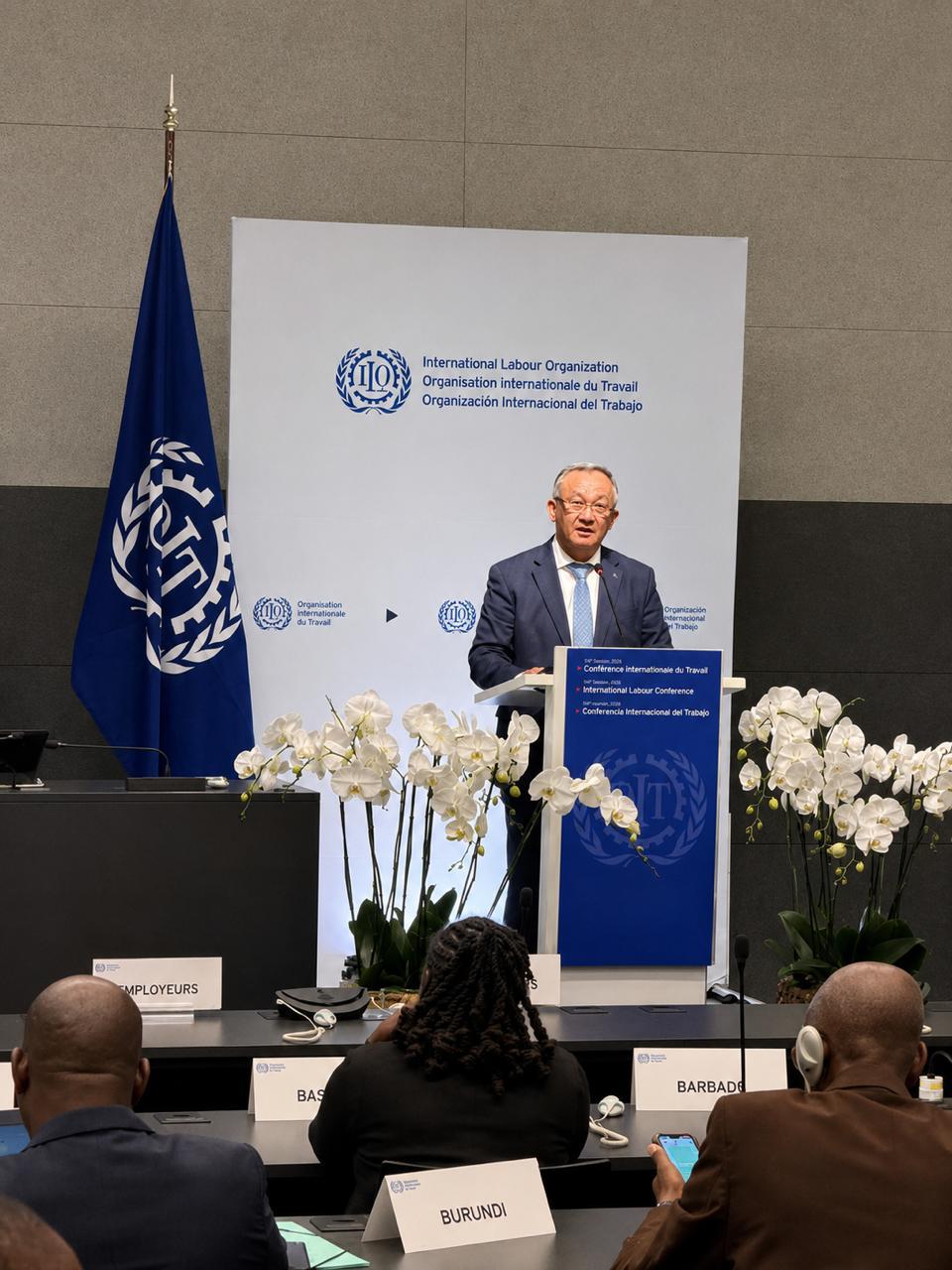
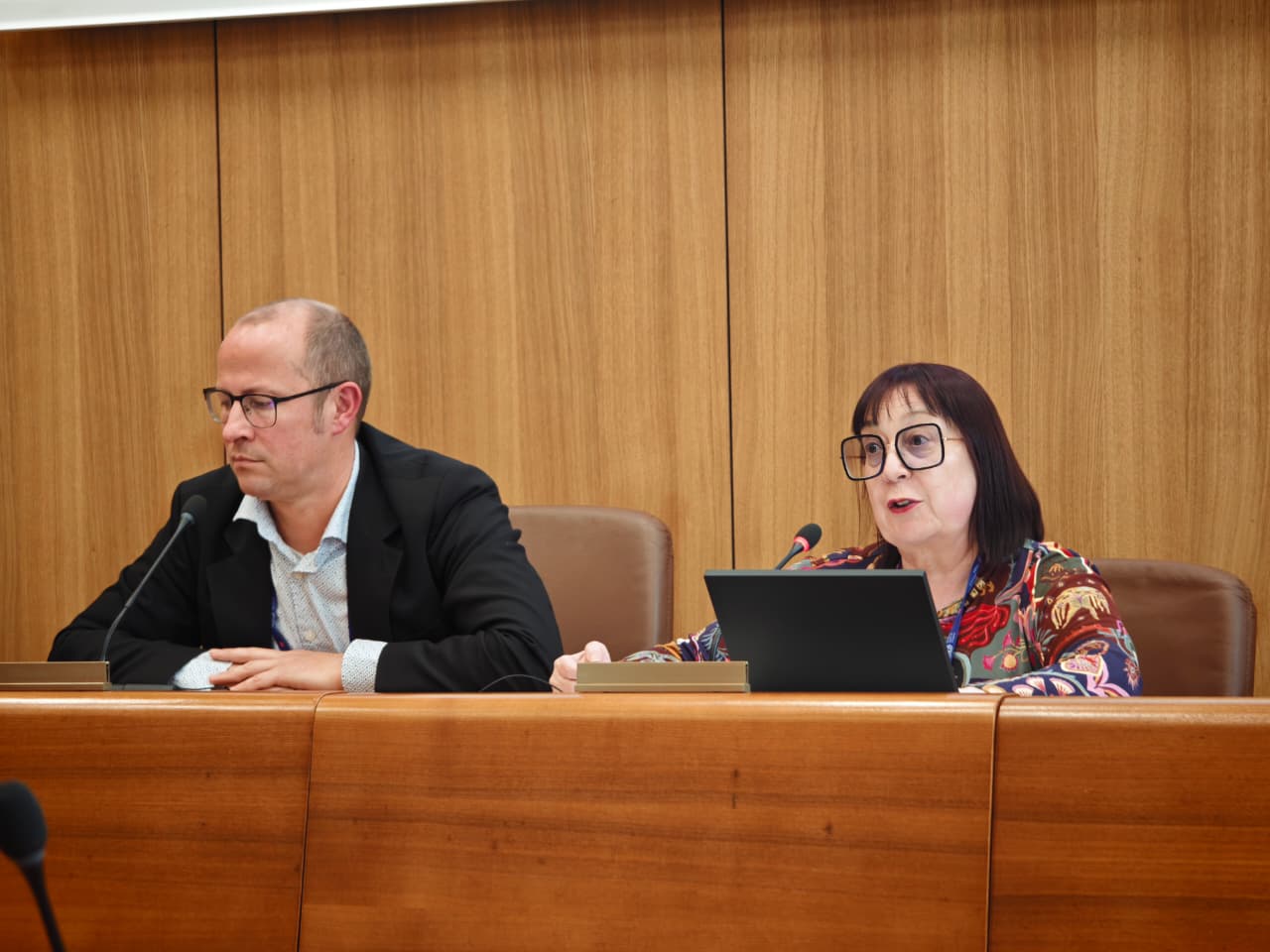
During the general discussion of the International Labour Conference, FTURK Chairman Satybaldy Dauletalin presented the position of Kazakhstan’s trade unions on digital transformation and the introduction of artificial intelligence.
“It is a great honour for me to represent the trade unions of Kazakhstan and to speak on behalf of millions of workers in our region… Today, artificial intelligence is already influencing work organization, employee assessment, and employment structures… This is why we fully support the key conclusion of the Director-General’s report: technology must serve people, not the other way around. For Kazakhstan and the countries of Central Asia, this issue is particularly relevant,” noted the head of the Kazakh delegation.
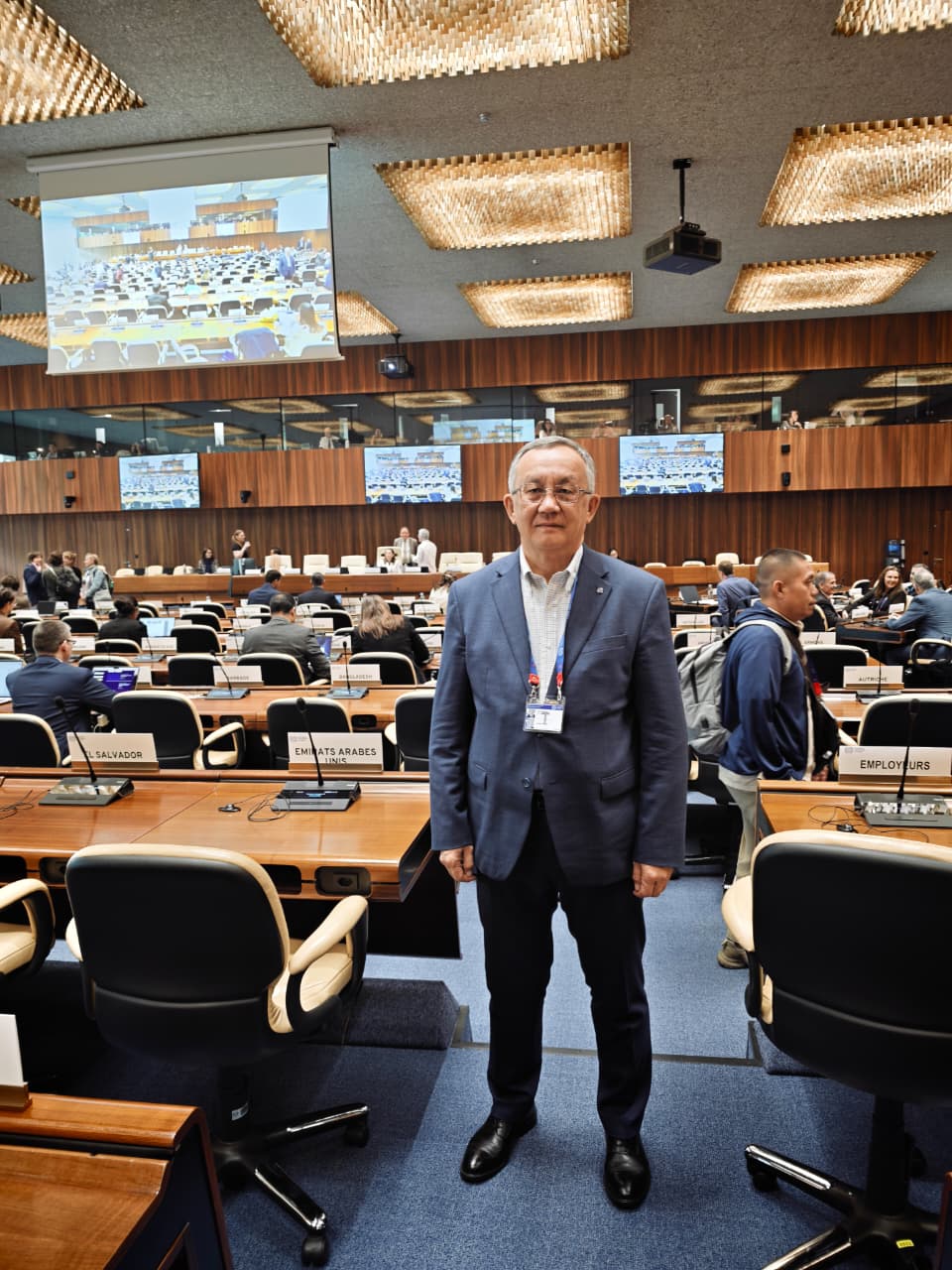
FTURK’s Chairman also highlighted Kazakhstan’s national digital transformation agenda and the need to establish effective mechanisms for protecting workers.
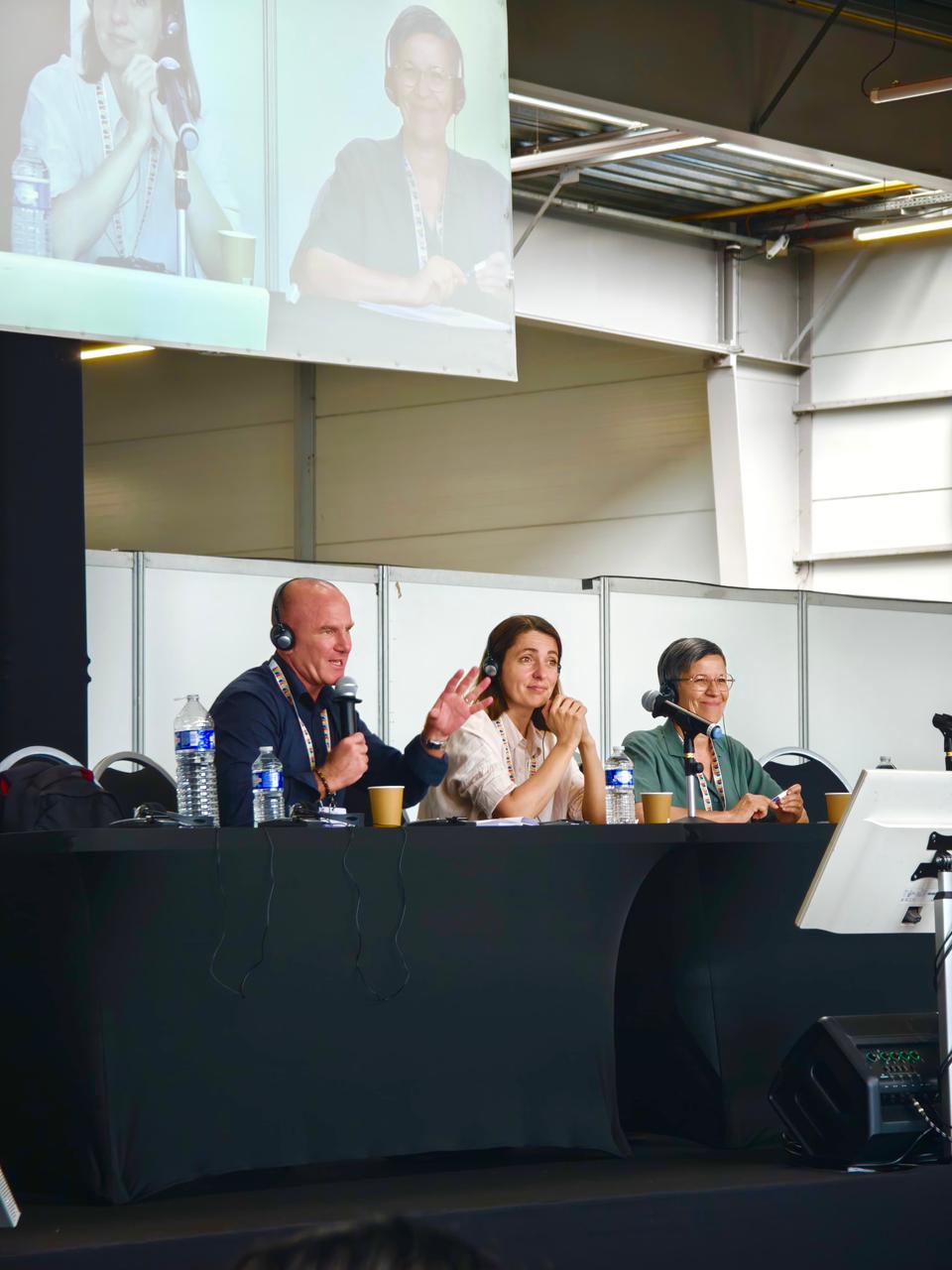
“In our country, 2026 has been declared the Year of Digitalization and Artificial Intelligence… In our Strategy to 2030, the protection of workers’ rights in the context of digitalization has been identified as a priority. We have also developed standards for protecting workers’ rights in the use of artificial intelligence… For us, this is not merely a matter of regulation. It is a matter of trust. Without workers’ trust, no digital transformation can be sustainable,” emphasized Satybaldy Dauletalin.
Stressing the importance of tripartism, he stated:
“Today, it is essential that social dialogue accompanies technological change from the very beginning, rather than only after problems arise. A just digital transition is impossible without partnership among governments, employers, and workers.”
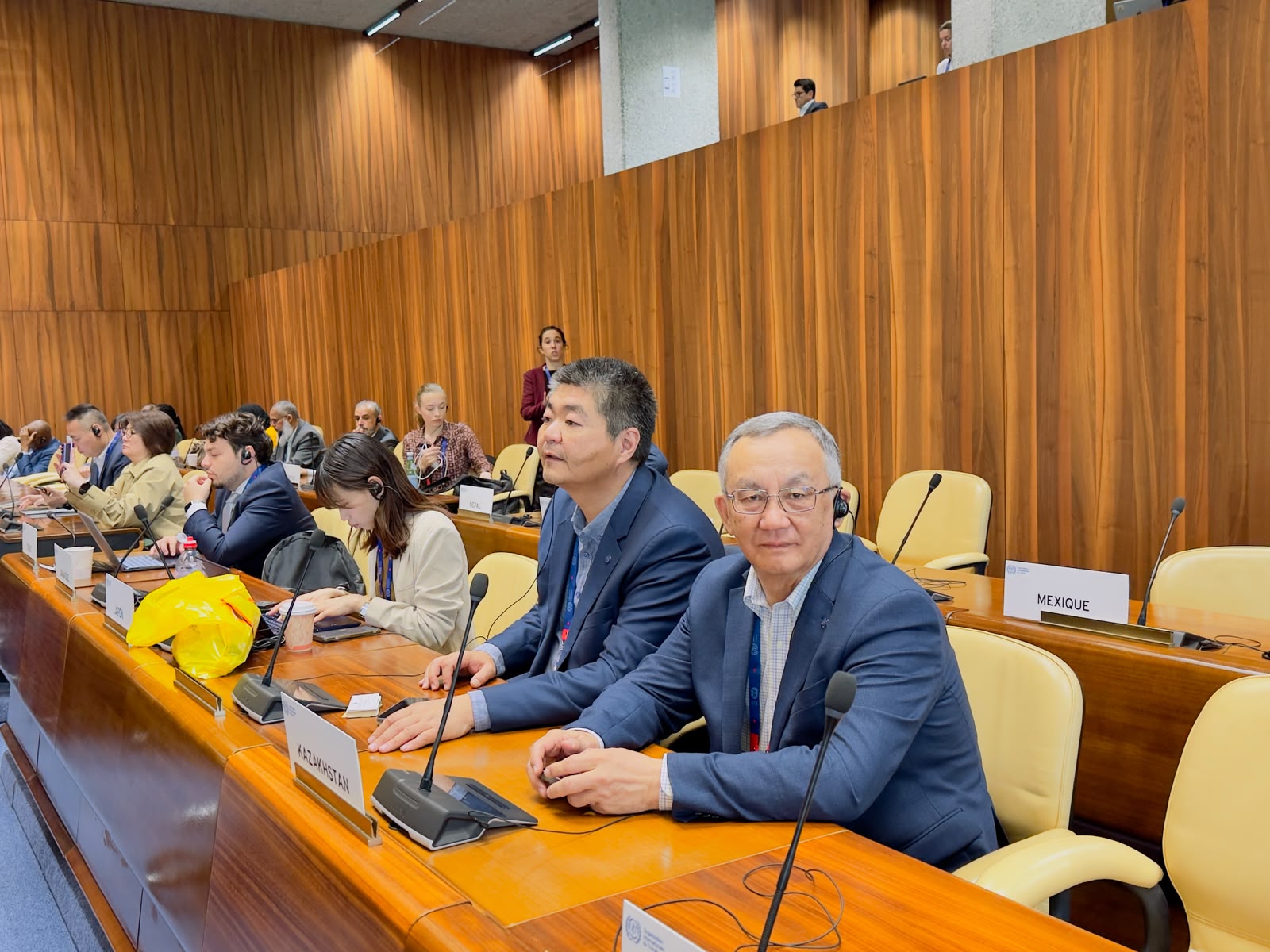
From the rostrum of the International Labour Conference, the Kazakh trade union leader identified three key priorities for future international action:
• safeguarding workers’ right to meaningful human involvement in decision-making;
• investing in human capital development and skills enhancement;
• developing international standards for the application of artificial intelligence in the world of work.
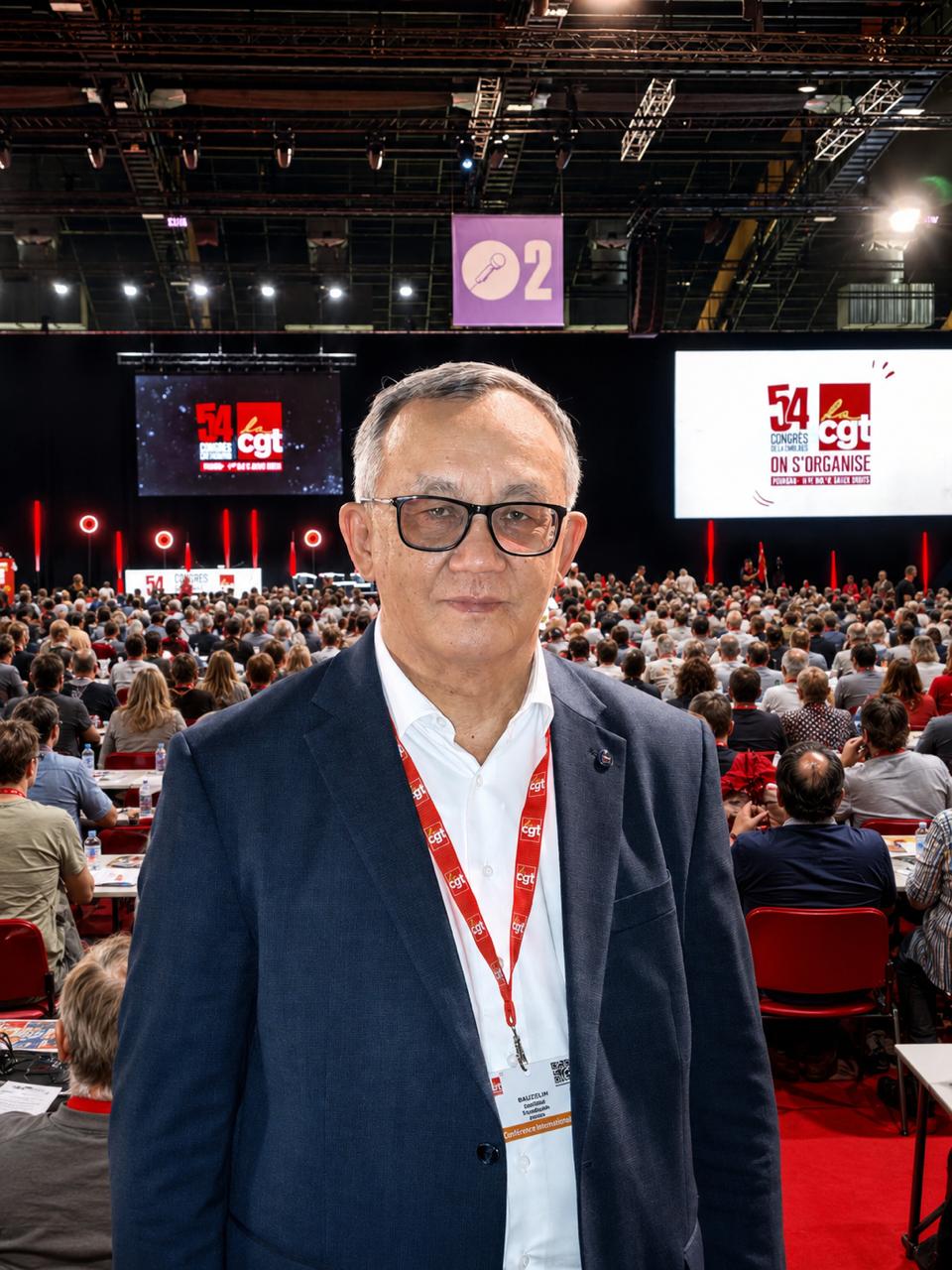
“We support the ILO’s transformative agenda and believe that our collective efforts should focus on these three priorities… The trade unions of Kazakhstan and the countries of Central Asia stand ready to contribute practical experience and active engagement to this work,” said Satybaldy Dauletalin.
Concluding his address, the Chairman of FTURK emphasized the fundamental principle guiding the trade union movement:
“Today, we are not choosing between technology and people. We are choosing what kind of development we want. Our method is dialogue. Our strength is solidarity. Our choice is the working person.”
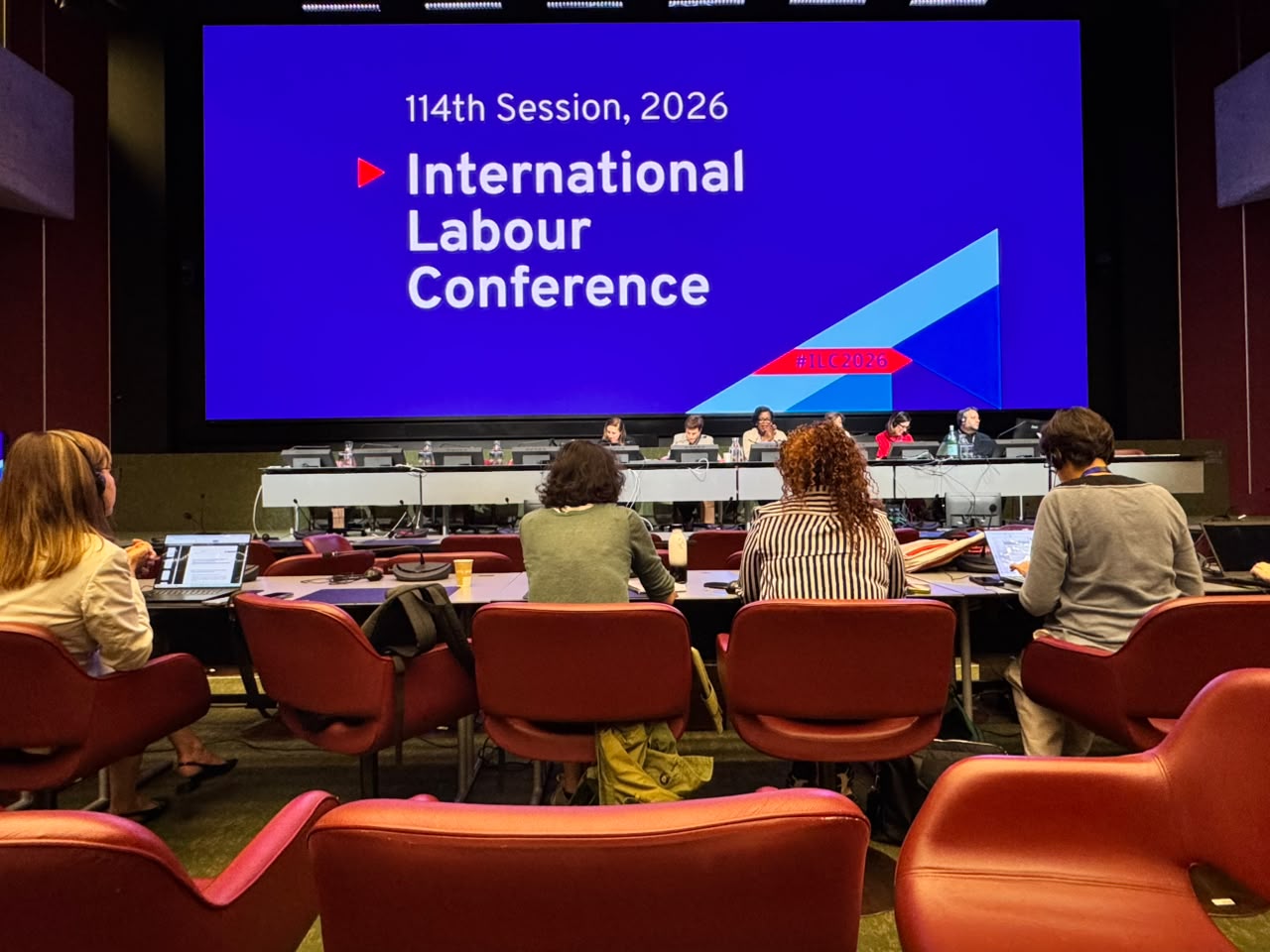
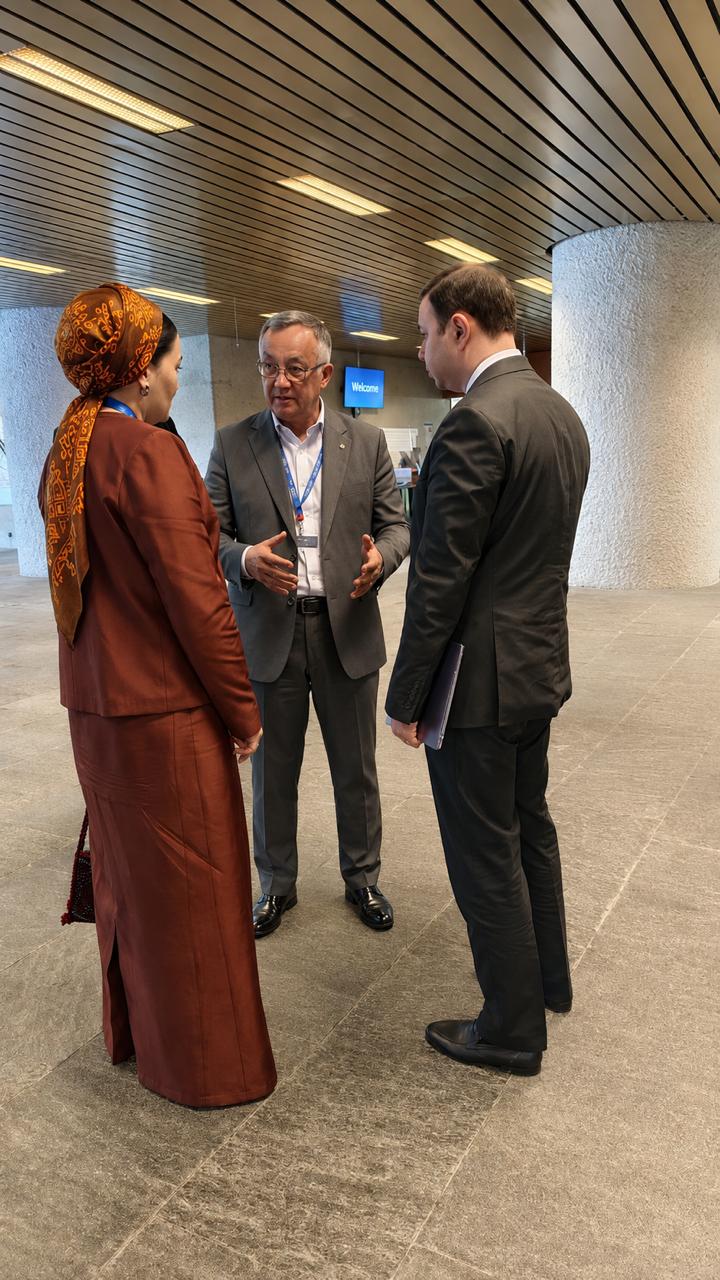
On the sidelines of the Conference, the FTURK delegation held a series of international meetings.
Discussions took place with Beate Andrees, ILO Deputy Director-General and Director of the Office of the Director-General. The parties discussed prospects for expanding cooperation between the ILO and national trade union centres in the region, joint efforts to address emerging labour market challenges, promote decent employment, and protect workers’ rights in the context of digital transformation.
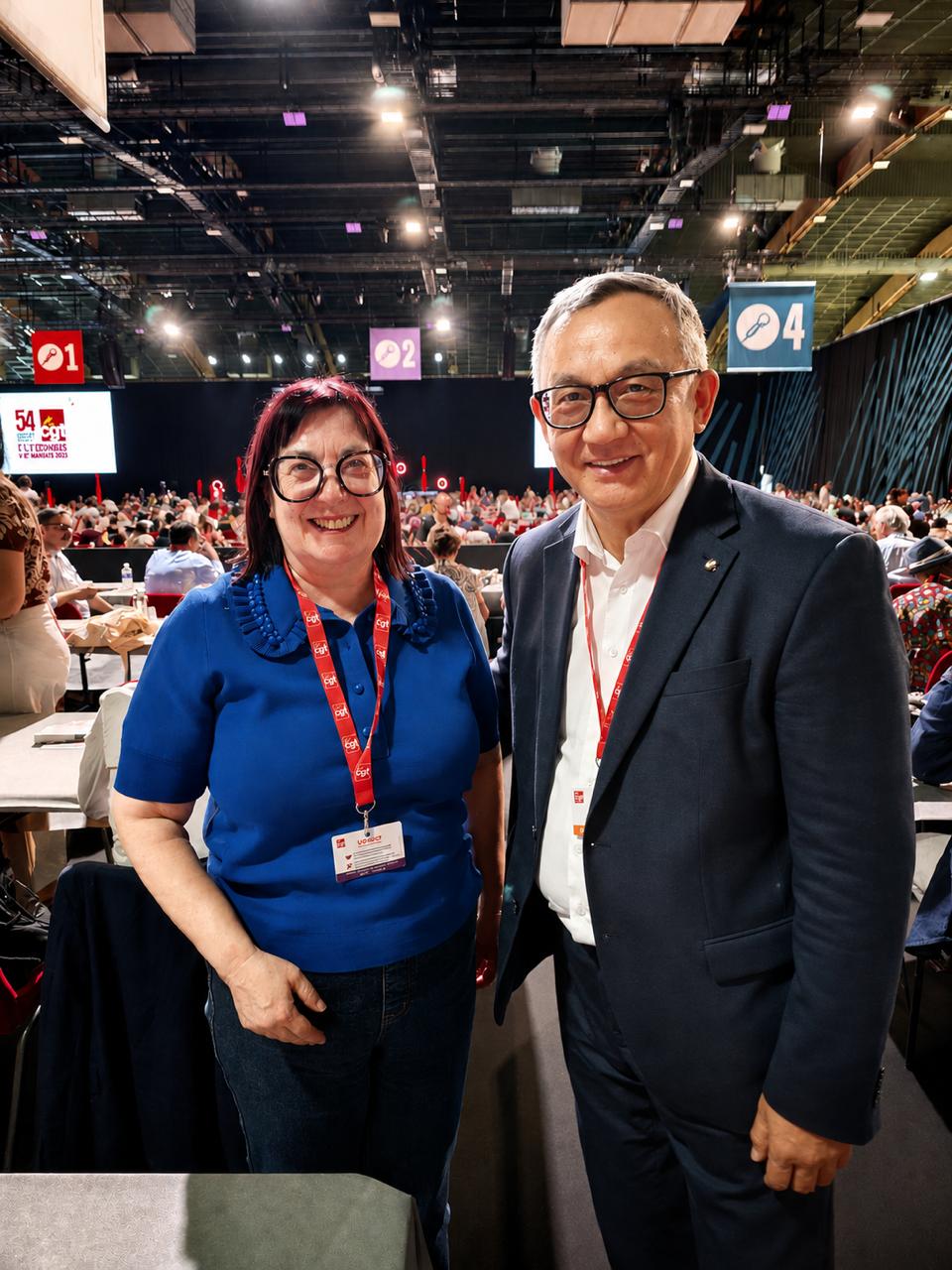
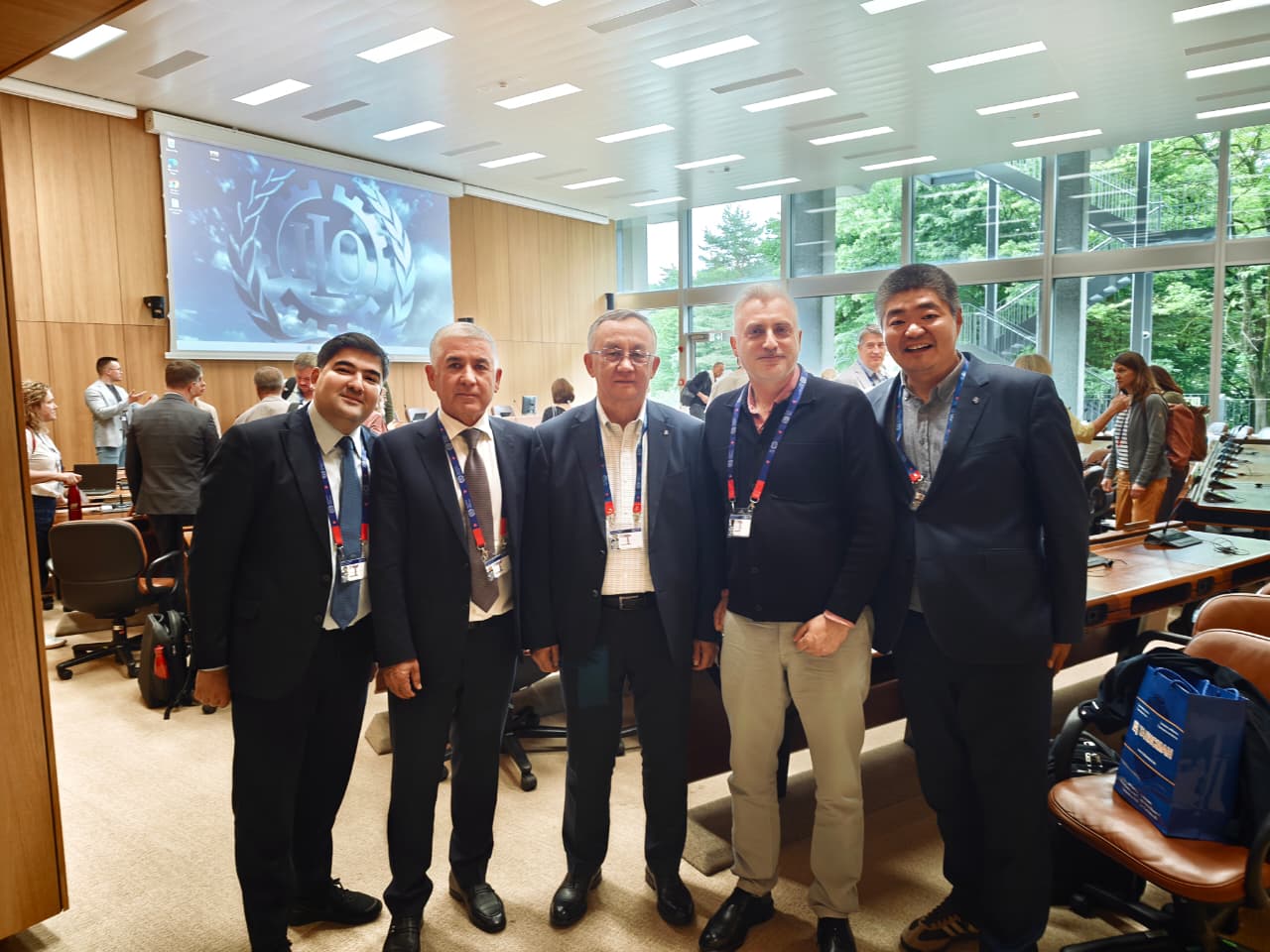
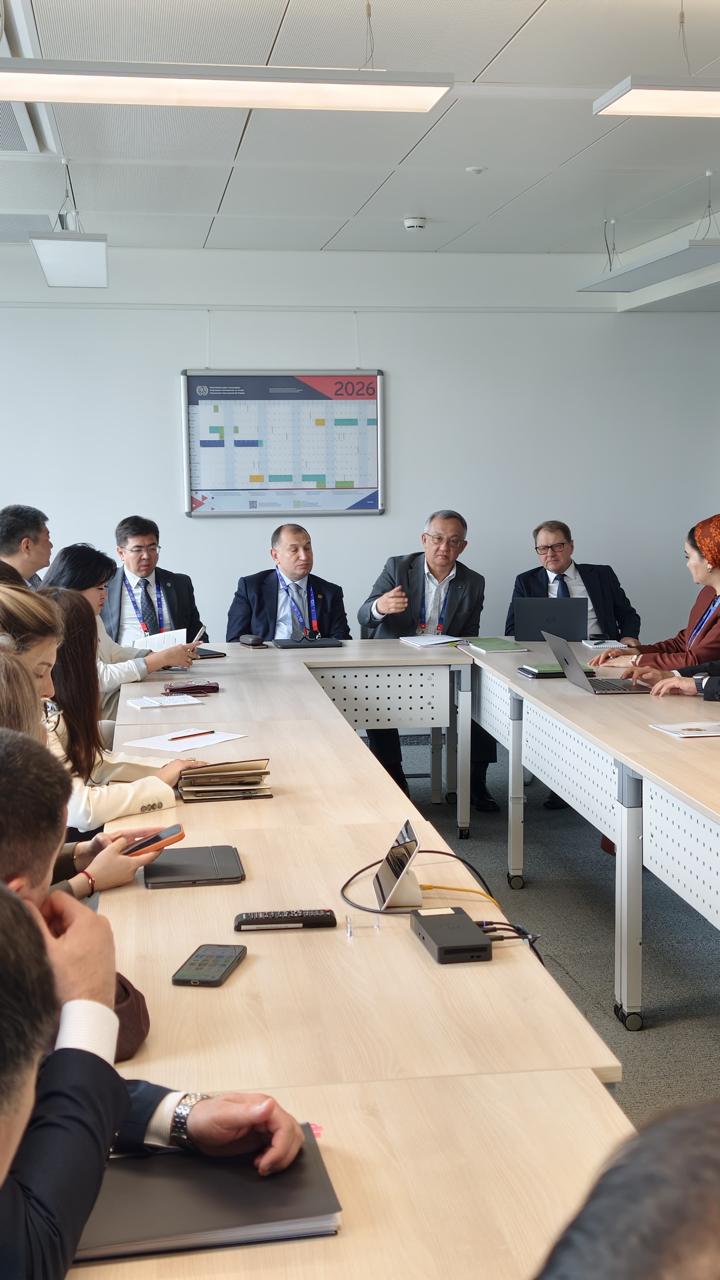
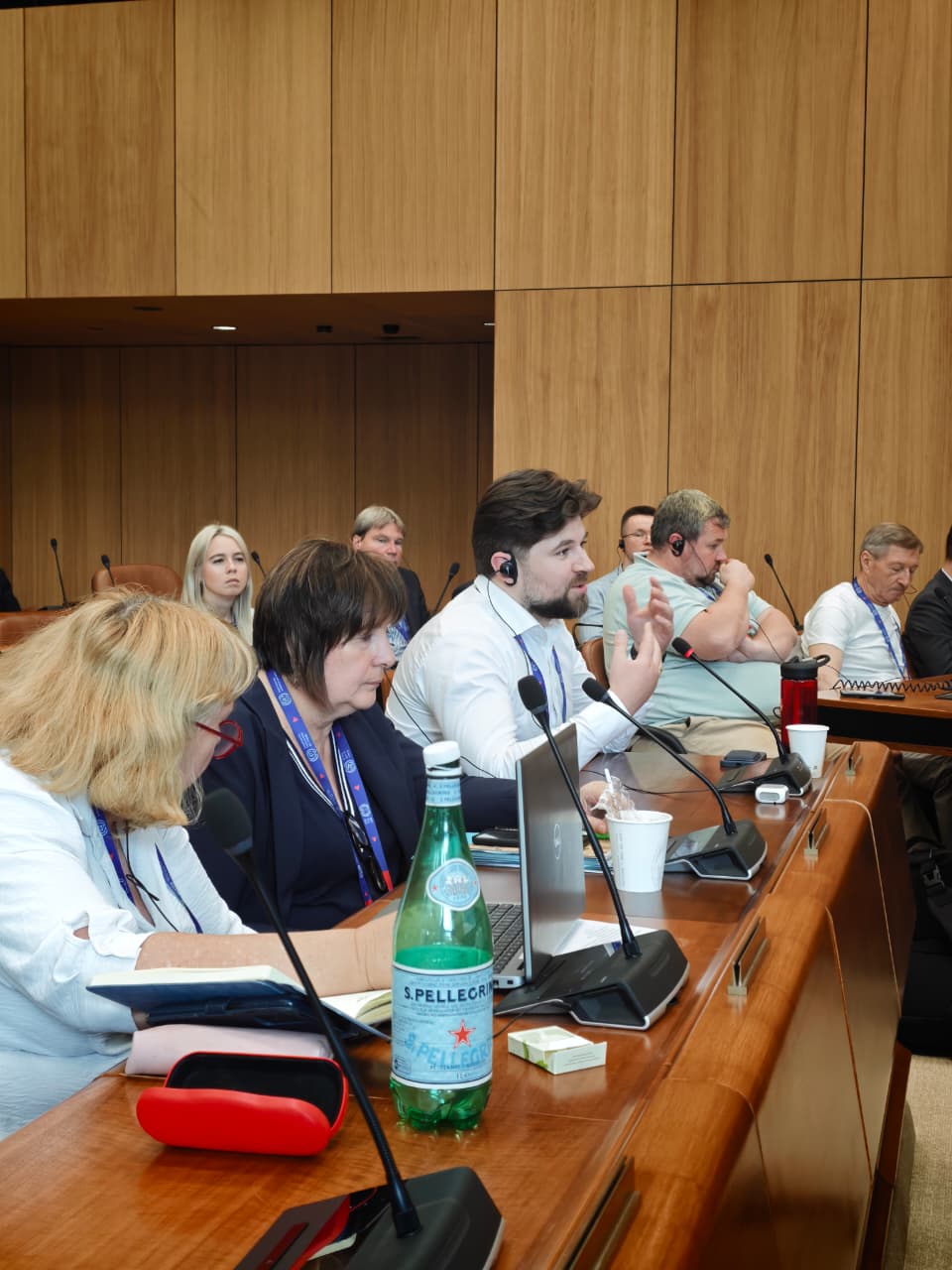
The Kazakh delegation also participated in the “ILO + Central Asia” meeting involving trade union centres from Central Asia and Azerbaijan. Participants discussed regional cooperation, strengthening trade union solidarity, exchanging best practices, and developing common approaches to contemporary labour market challenges.
.jpeg)
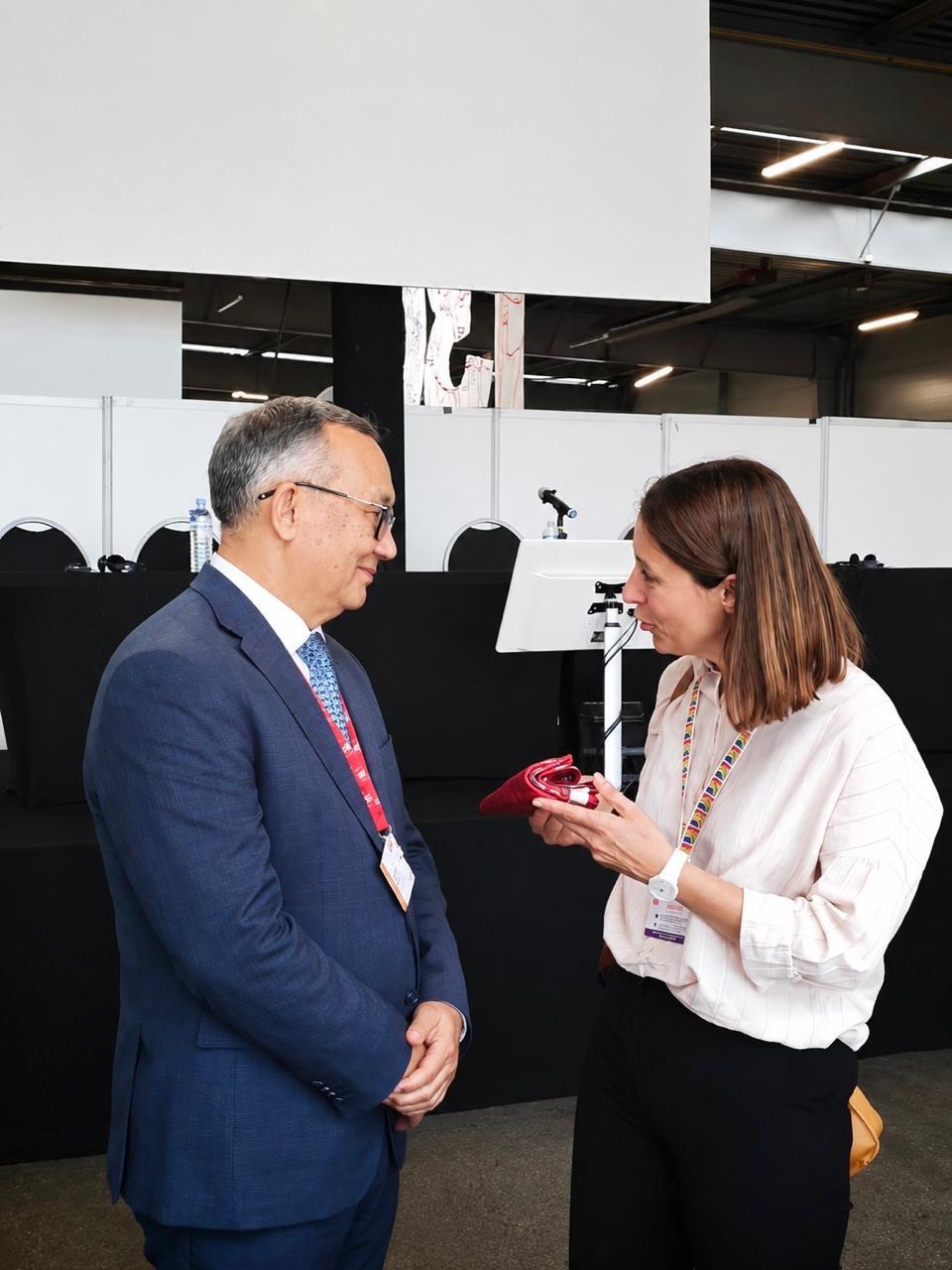
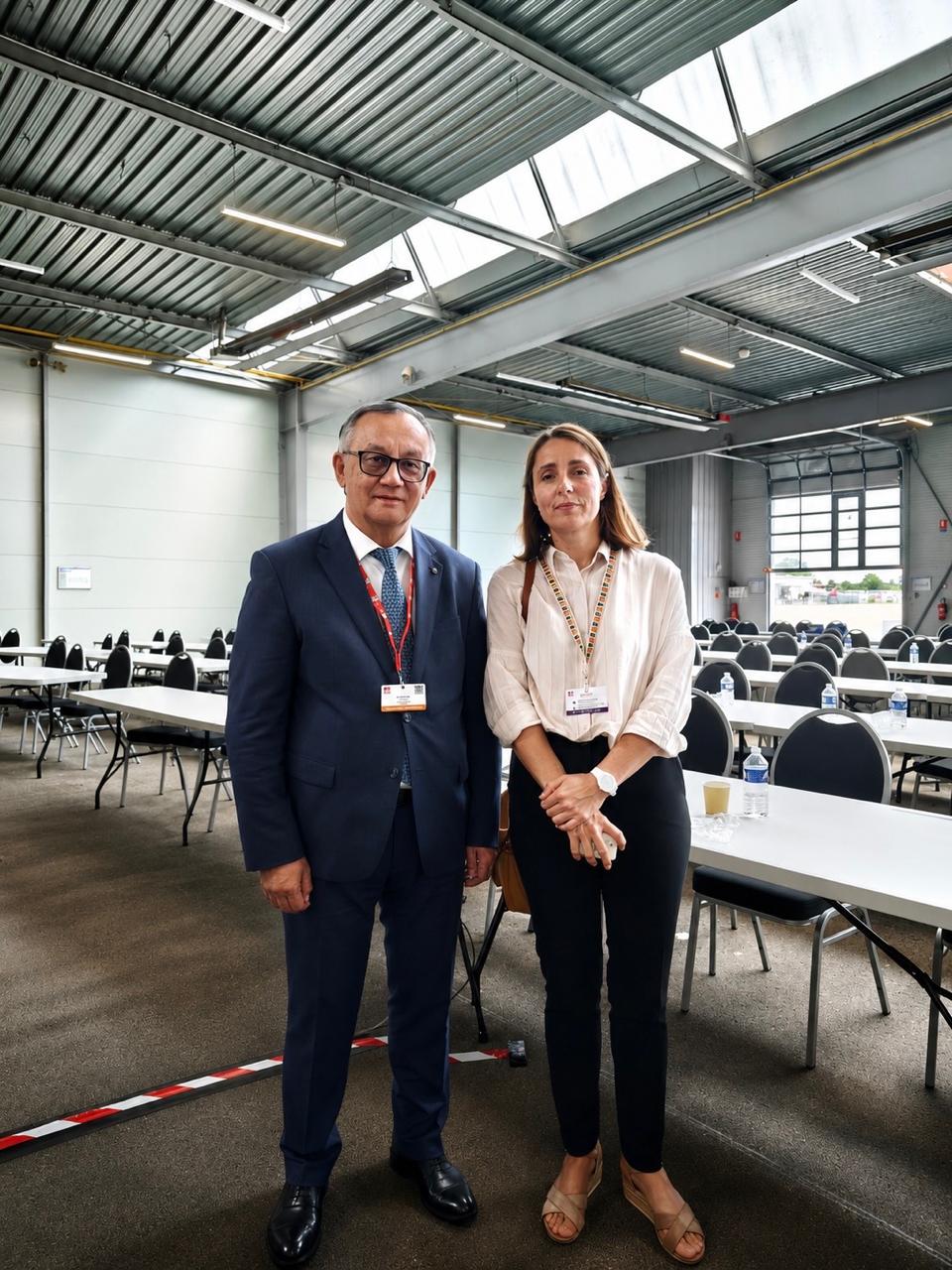
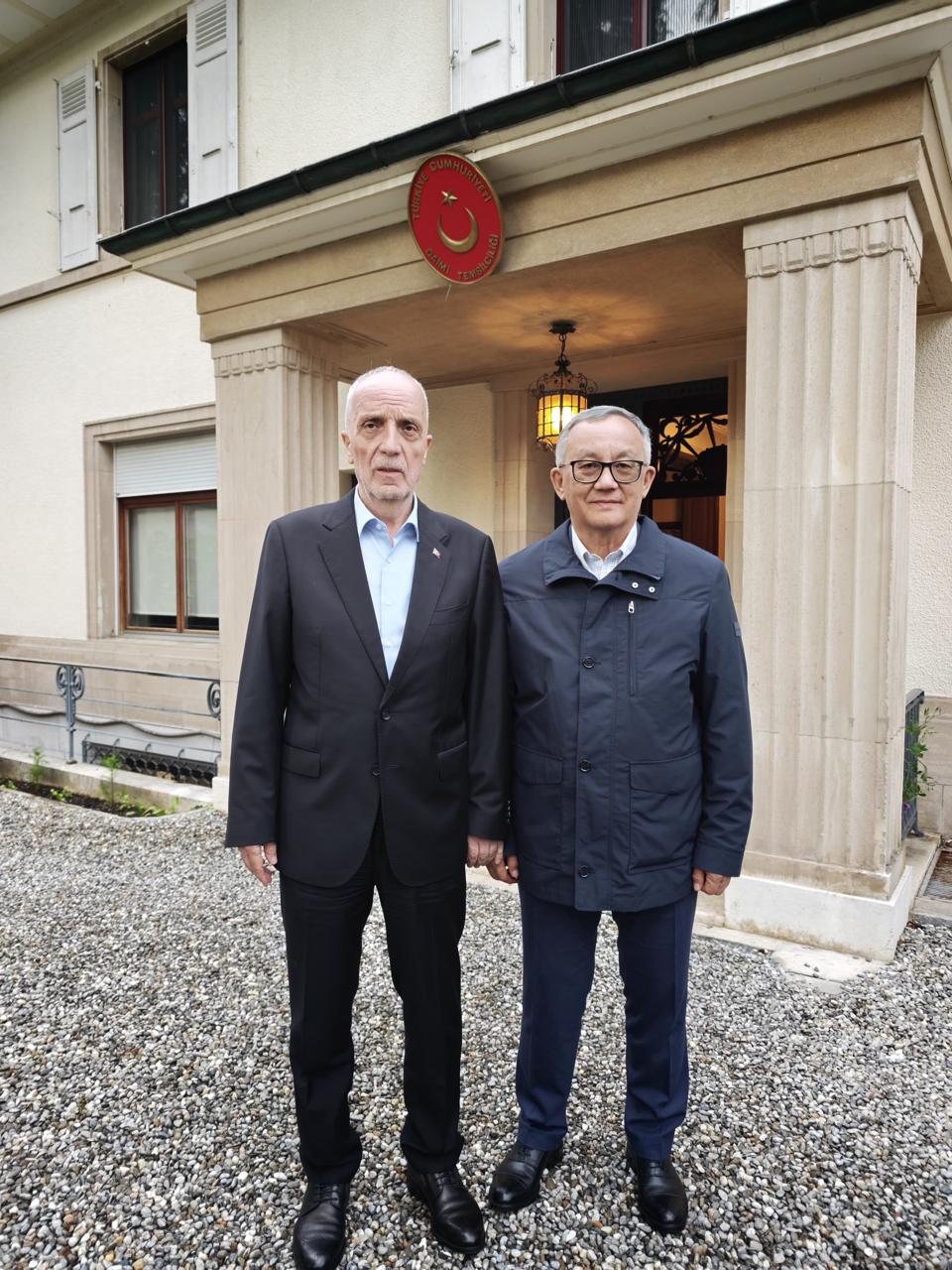
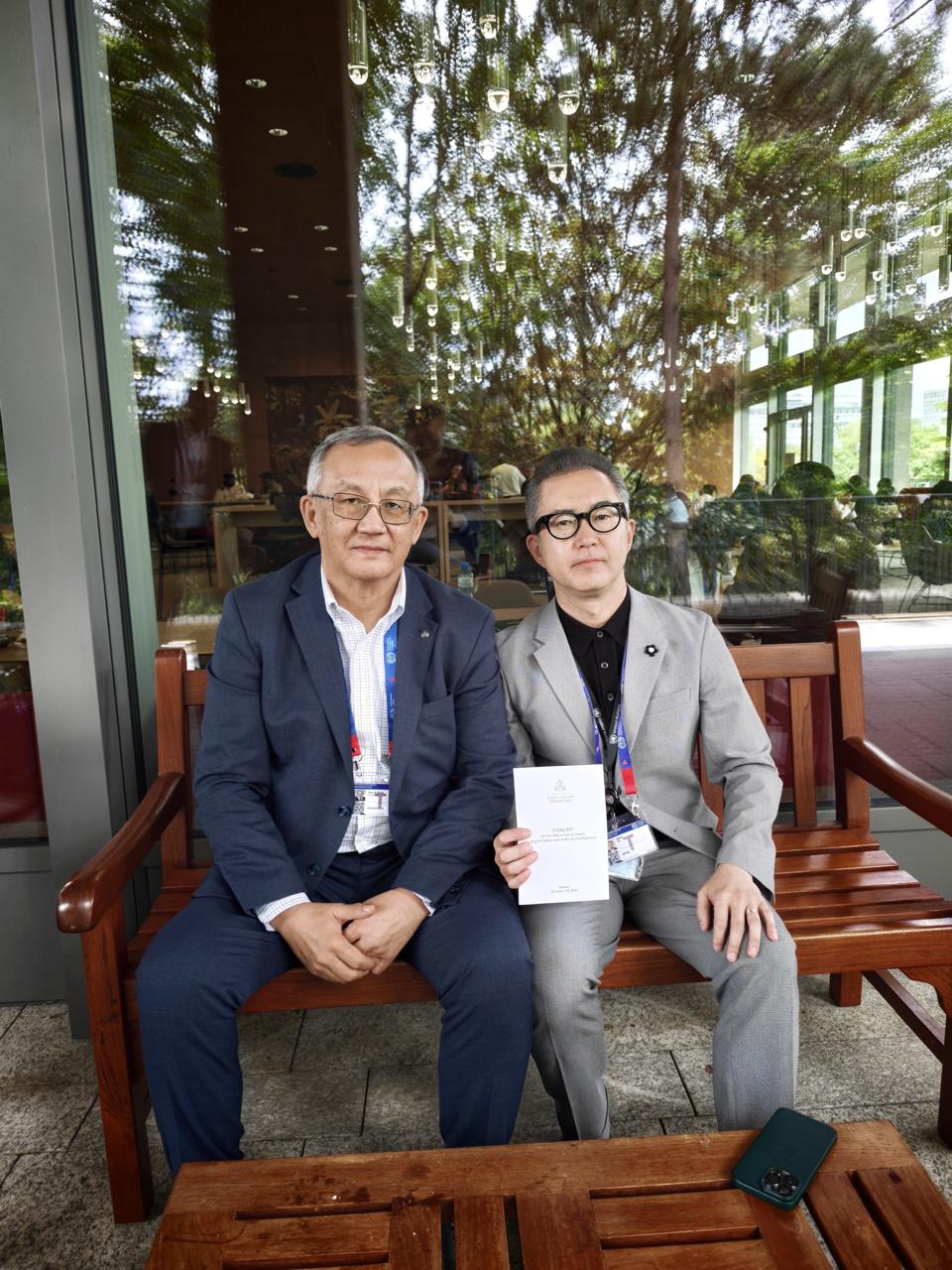
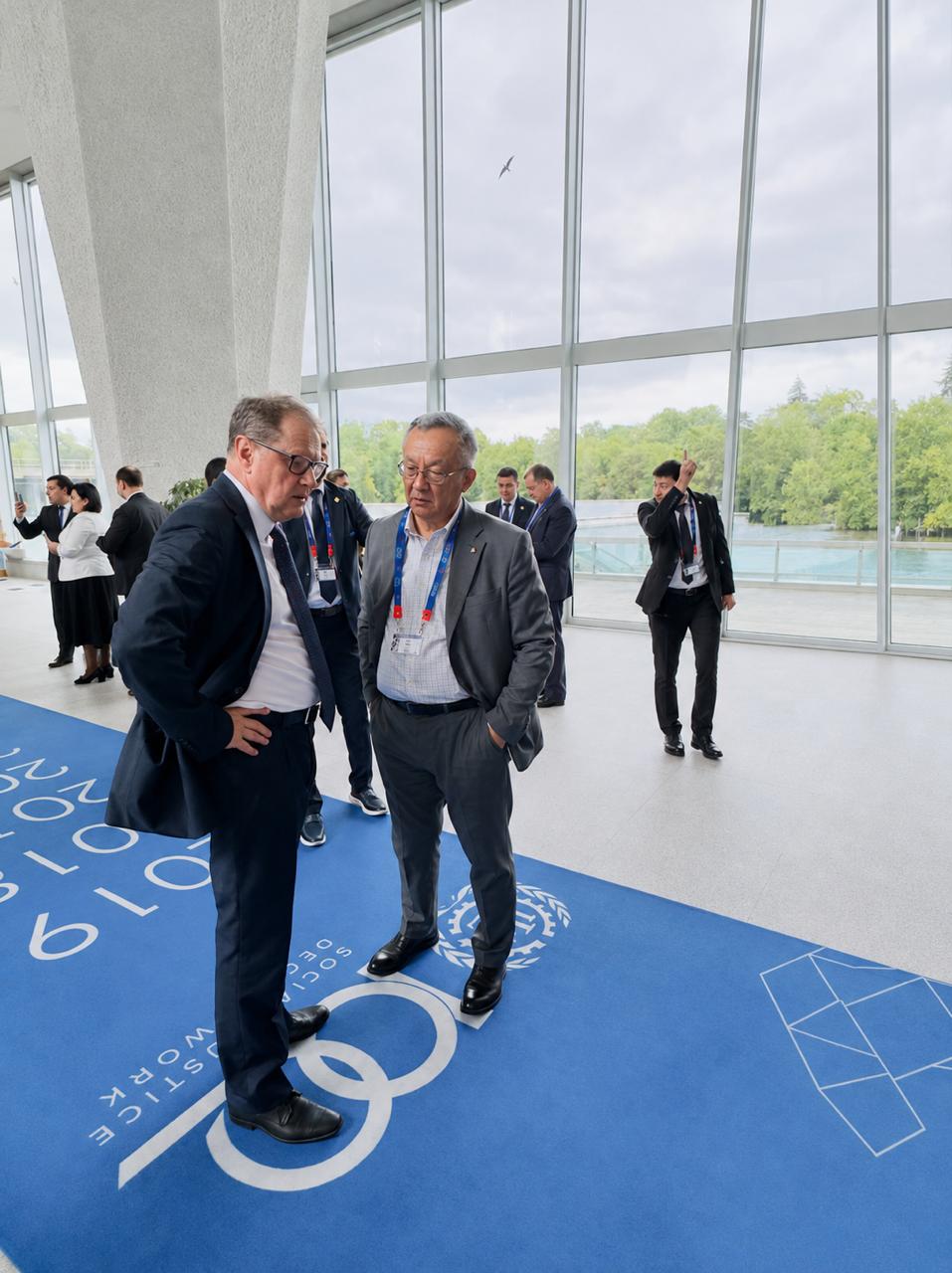
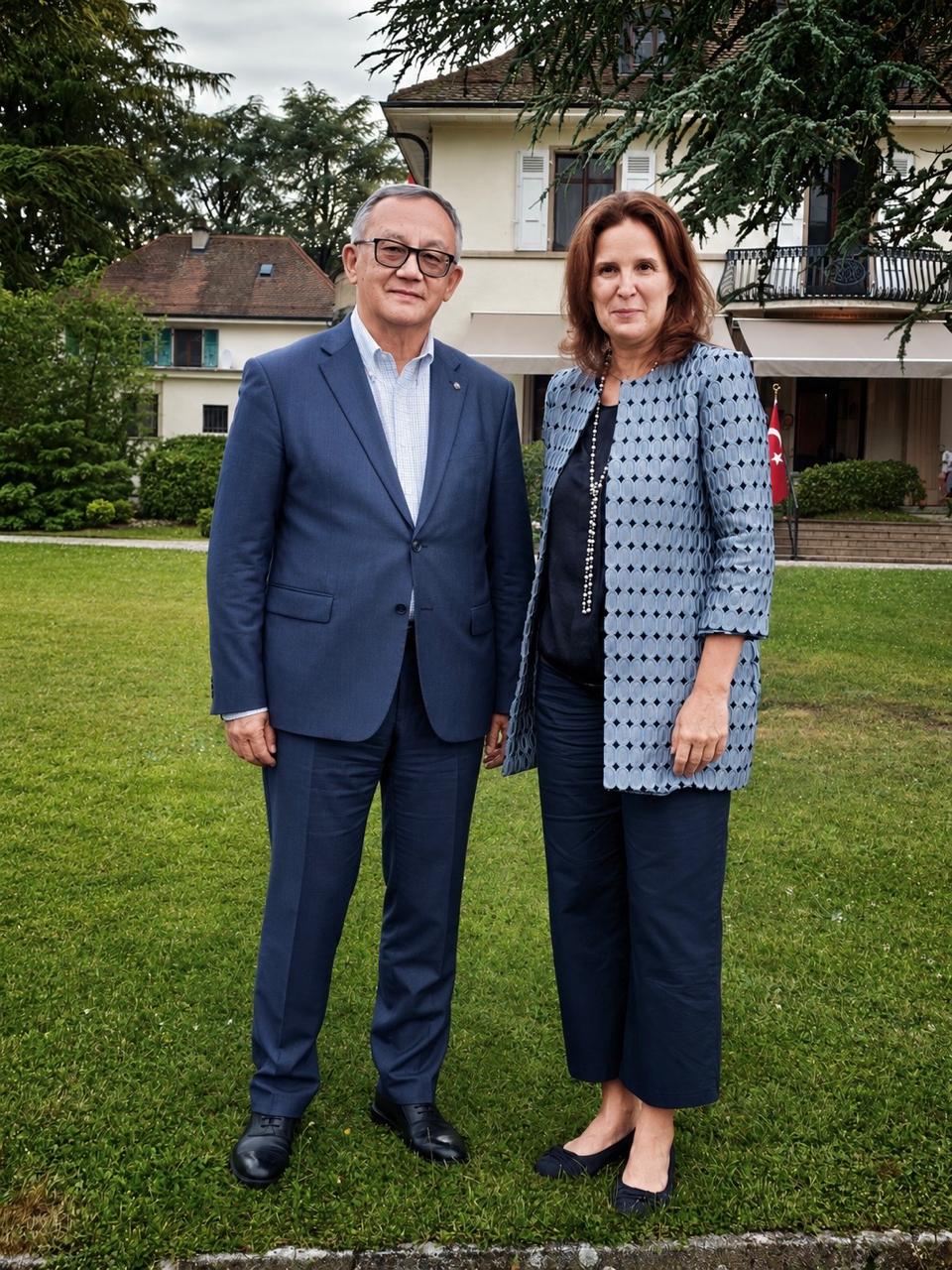
As part of the international programme, meetings were held with Anton Leppik, Executive Secretary of the Pan-European Regional Council (PERC) of the ITUC; Ergün Atalay, President of the Turkish Confederation of Trade Unions (TÜRK-İŞ); Mahmut Arslan, President of the Confederation of Turkish Trade Unions (HAK-İŞ); and Ryo Saito, Executive Secretary of the Japanese Trade Union Confederation (RENGO). Key topics included strengthening international trade union cooperation, promoting social dialogue, protecting workers’ social and labour rights, and coordinating joint actions in response to contemporary economic transformations.
A substantive component of Kazakhstan’s participation was its work within the ILO’s technical committees.
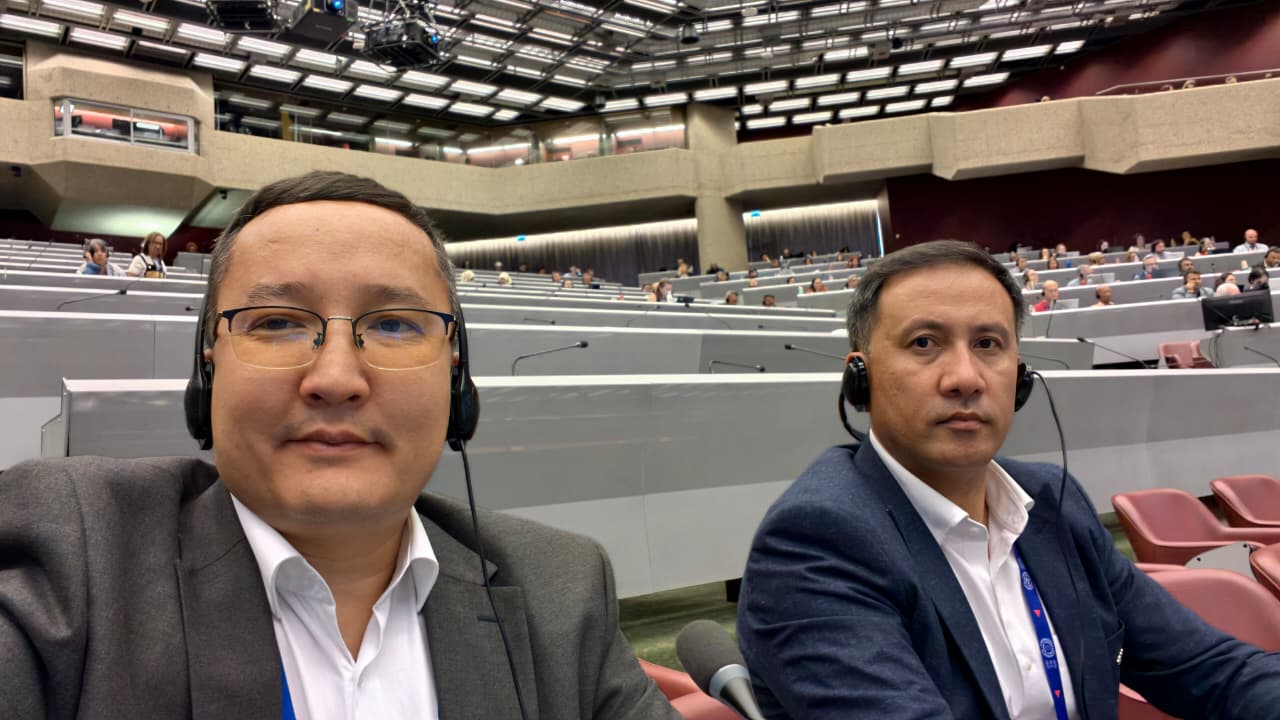
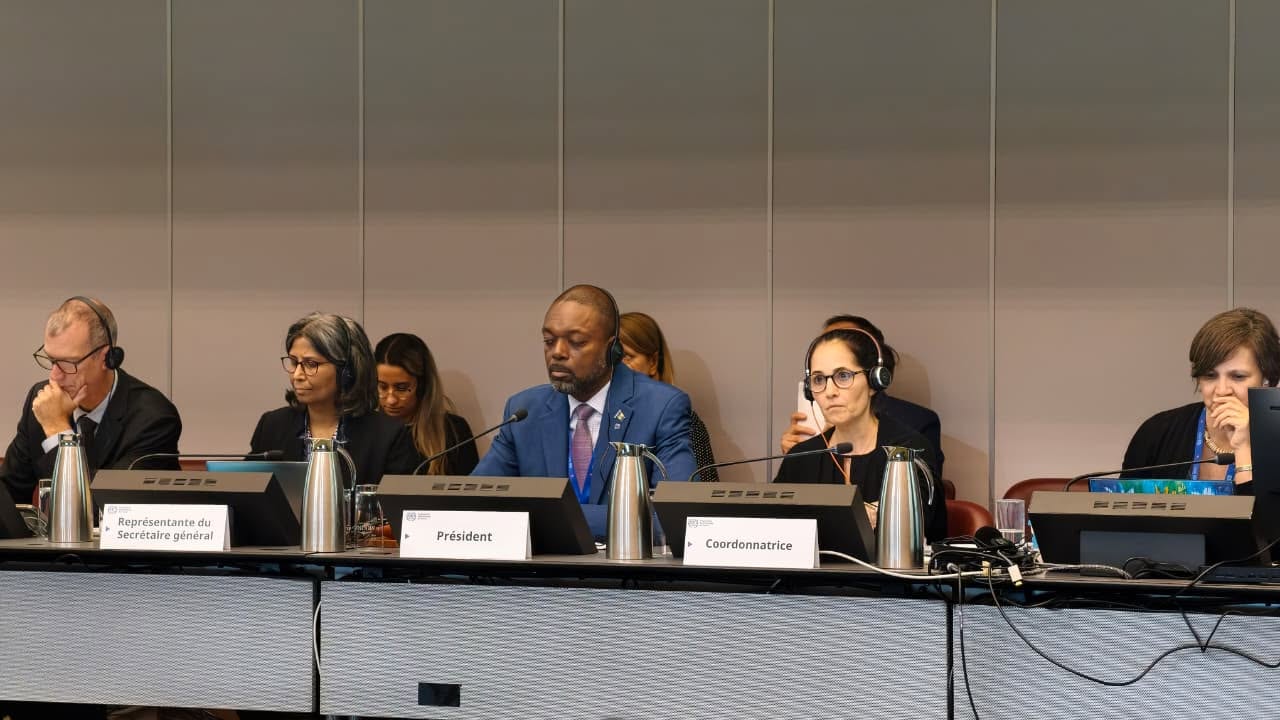
FTURK Deputy Chairman Nurlan Uteshev participated in the Committee on the Application of Standards, which examined compliance with international labour conventions, implementation of fundamental workers’ rights, and mechanisms for monitoring adherence to international obligations.
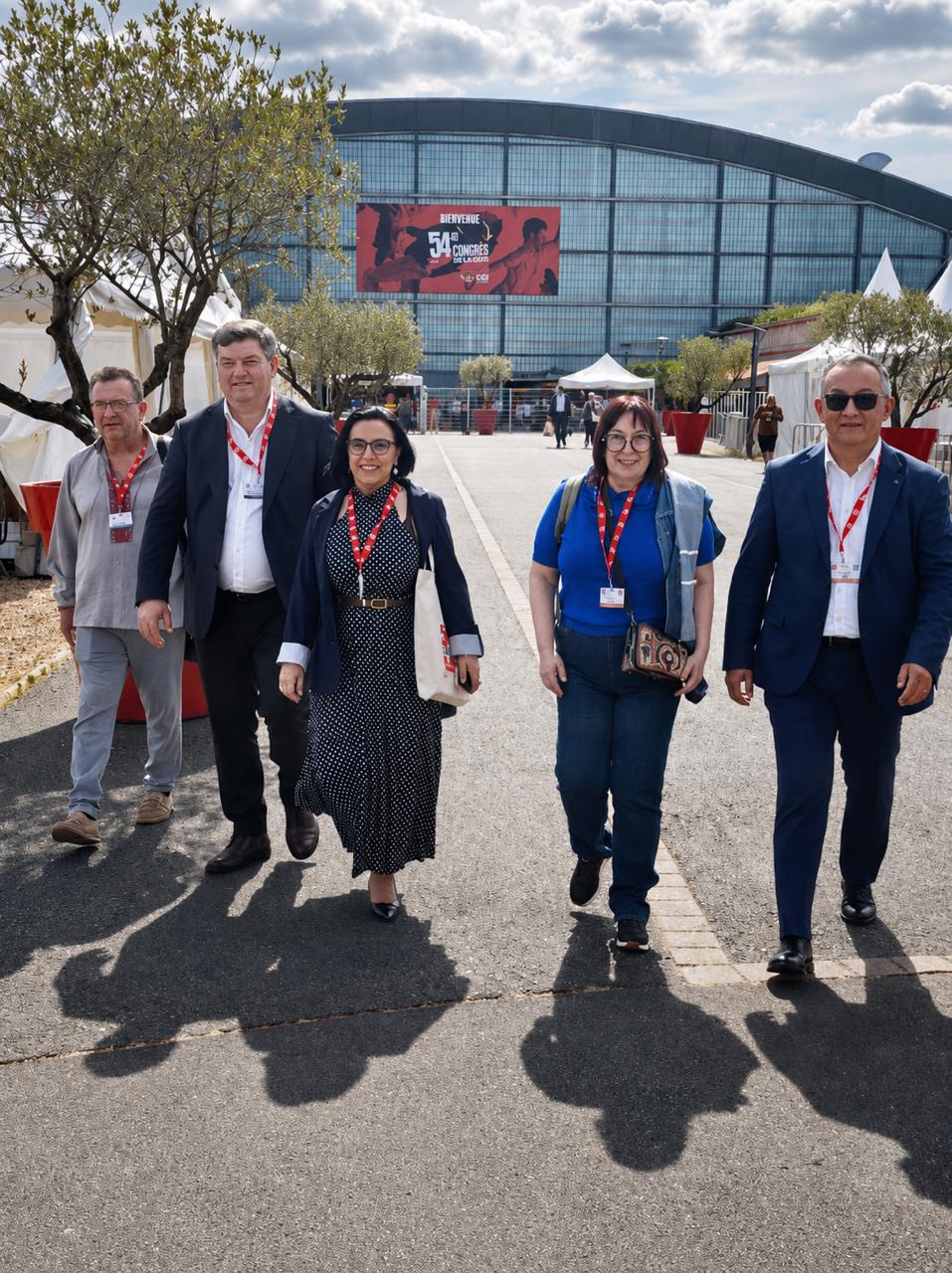
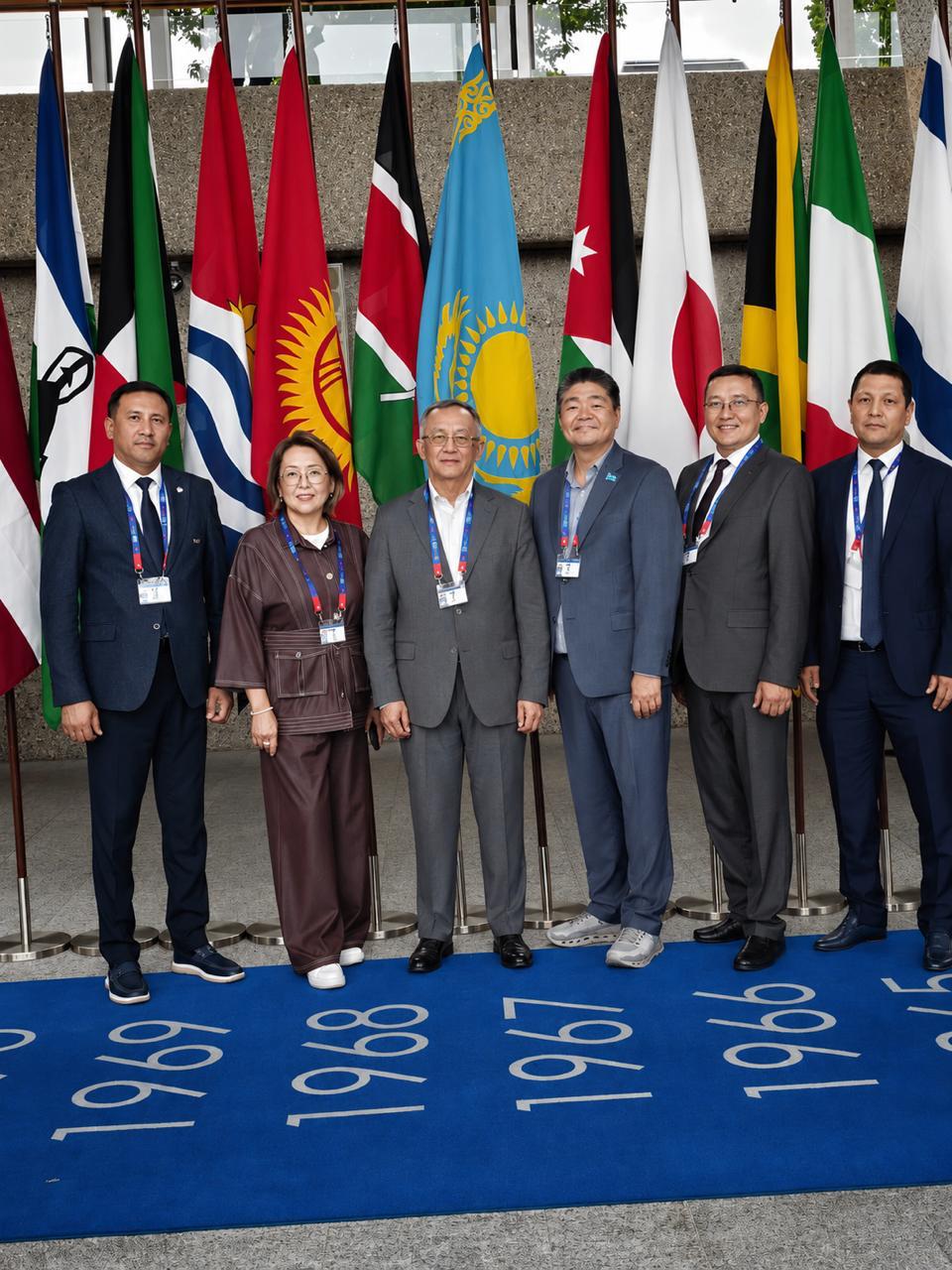
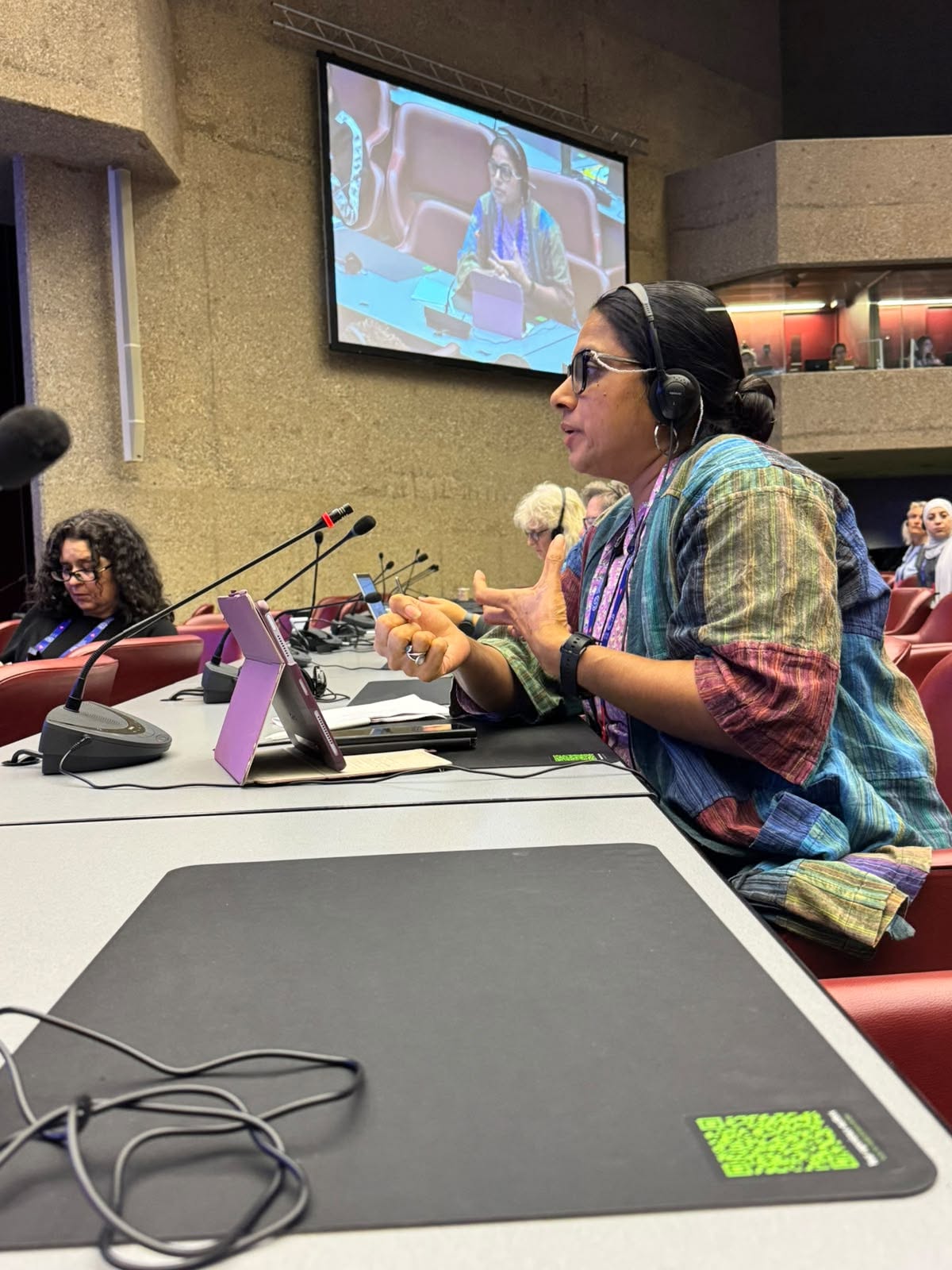
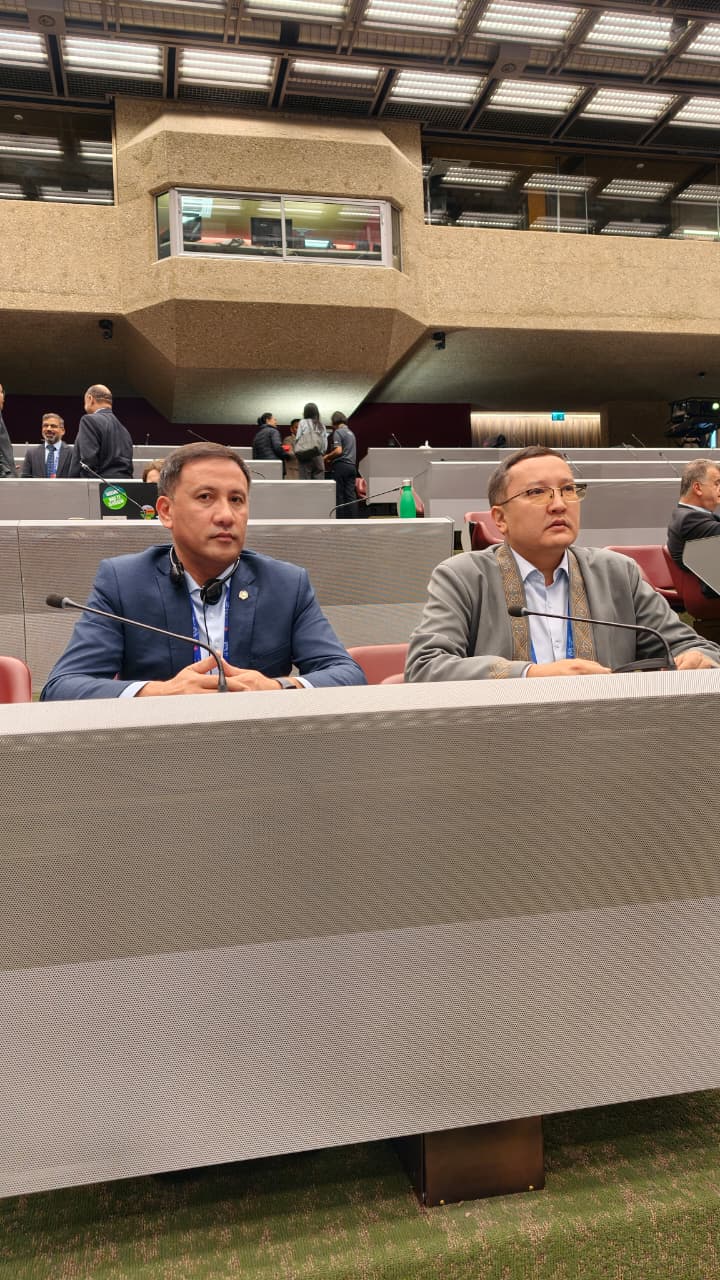
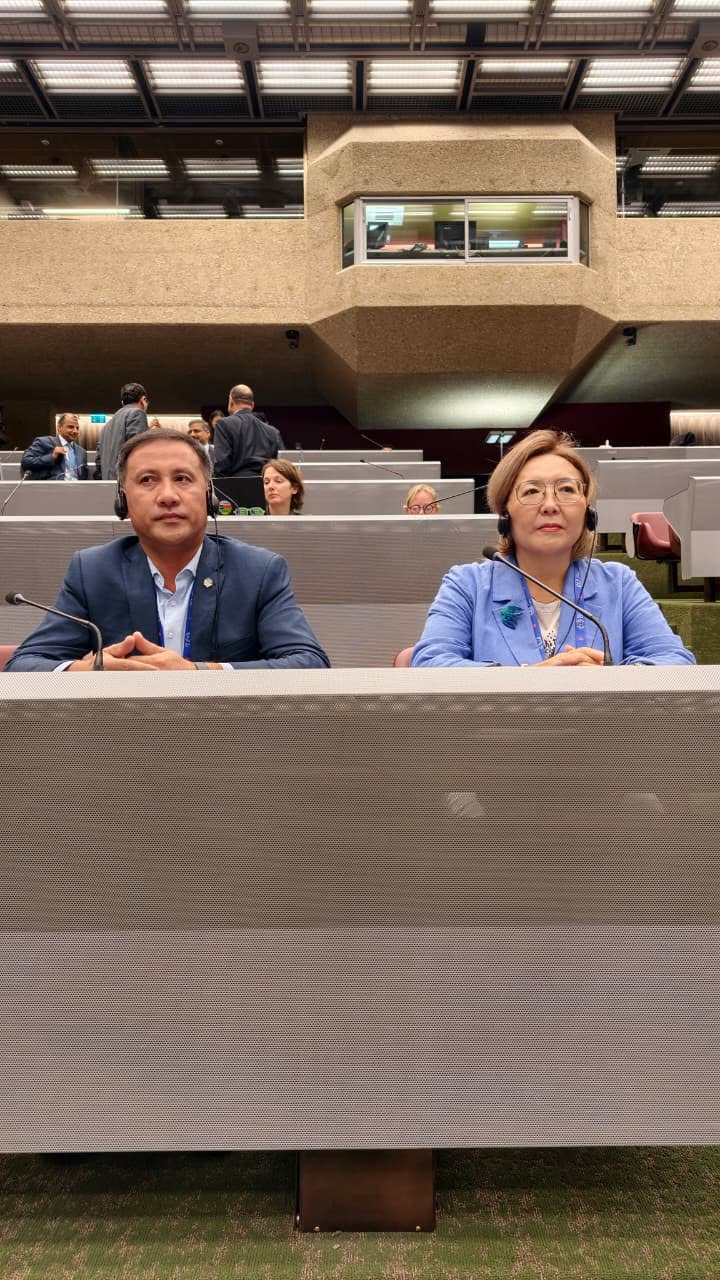
Zhandos Shaidulla, Chairman of the Turkestan Regional Organization of the Local Trade Union of Education and Science Workers, and Sabyrzhan Kali, Chairman of the “Seriktes” Local Trade Union, participated in the Standard-Setting Committee on Decent Work in the Platform Economy. Discussions focused on social protection for platform workers, regulation of working conditions, algorithmic management, and ensuring fair labour relations in the digital economy.
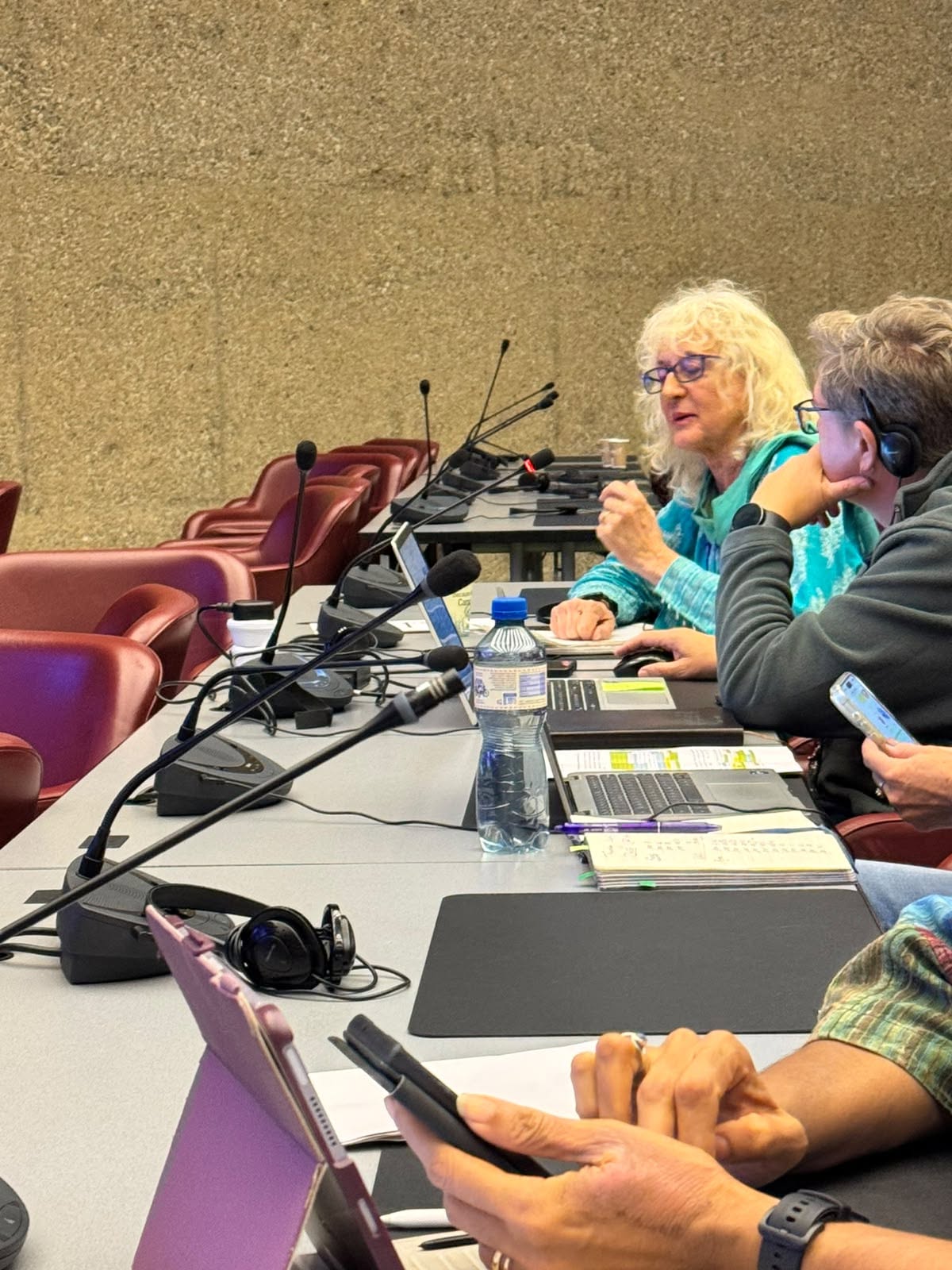
Talgat Baisseitov, Chairman of the Local Trade Union of Employees of JSC NC QazaqGaz, participated in the Committee on Social Dialogue and Tripartism, where modern models of cooperation among governments, employers, and trade unions were discussed.
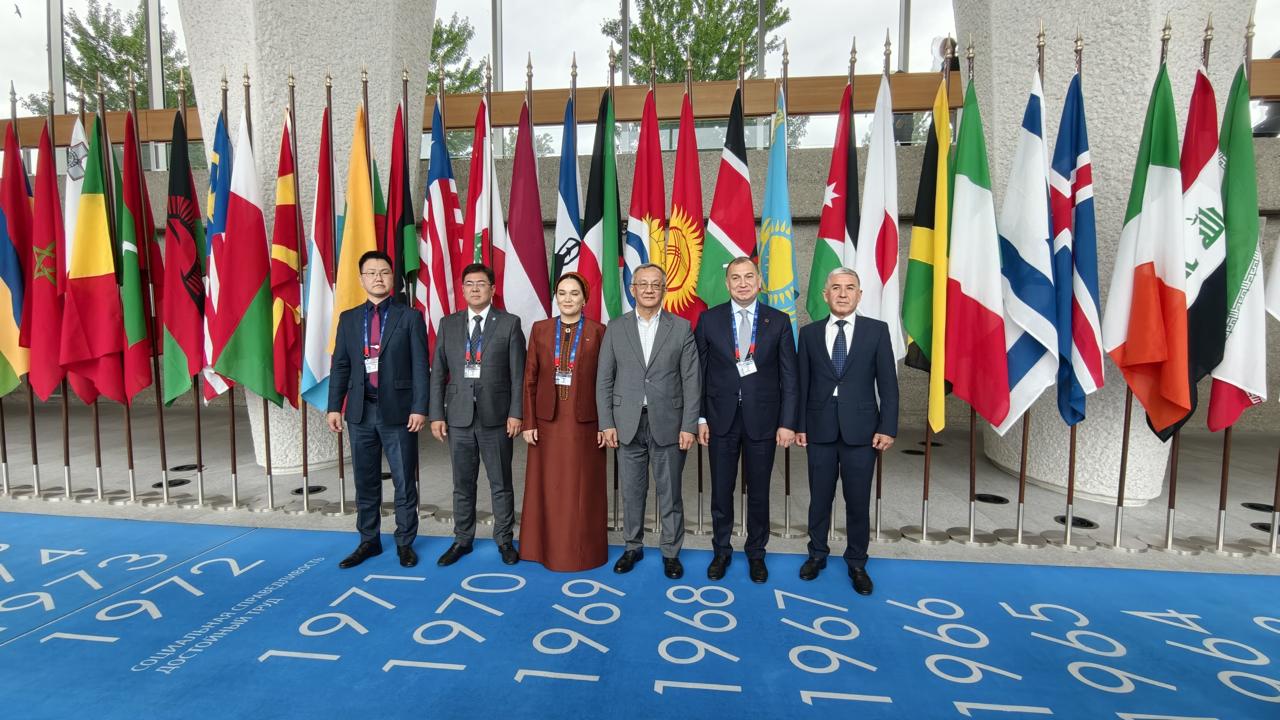
Almagul Rakisheva, Chairperson of the Karaganda Regional Organization of the Sectoral Trade Union of Education, Science and Higher Education Workers, took part in the Committee discussing the transformative agenda for gender equality in the world of work.
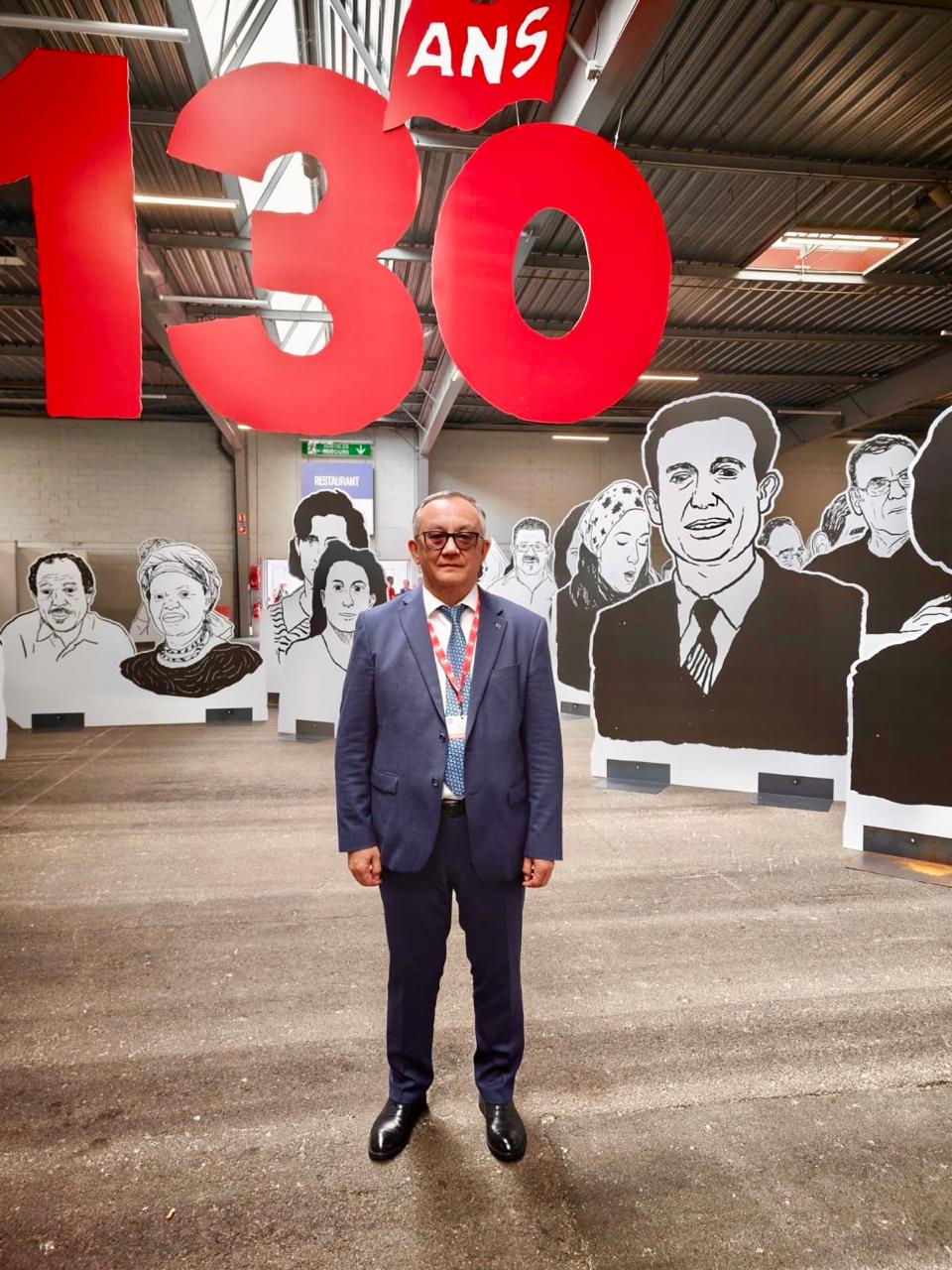
In addition, representatives of the Federation of Trade Unions of Kazakhstan participated in ILO meetings examining individual country cases and in sessions of the leadership bodies of the International Trade Union Confederation chaired by ITUC General Secretary Esther Lynch. Discussions focused on strengthening the role of trade unions amid economic transformation and expanding international trade union solidarity.
One of the most significant outcomes of the 114th Session of the International Labour Conference was the adoption of the ILO Convention on Decent Work in the Platform Economy—the first global international labour standard dedicated to protecting platform workers. The Convention extends fundamental labour rights to the platform economy, strengthens protection against misclassification of employment status, introduces additional requirements for transparency in algorithmic management, and enhances social protection and decent work guarantees.
FTURK’s participation in the 114th Session of the International Labour Conference demonstrated the high level of engagement of Kazakhstan’s trade union movement in the international labour agenda and its readiness to contribute practical expertise to the development of modern international labour standards.
Kazakhstan’s trade unions consistently advocate for stronger international solidarity, a just digital transition, and ensuring that working people remain at the centre of all economic and technological transformations.
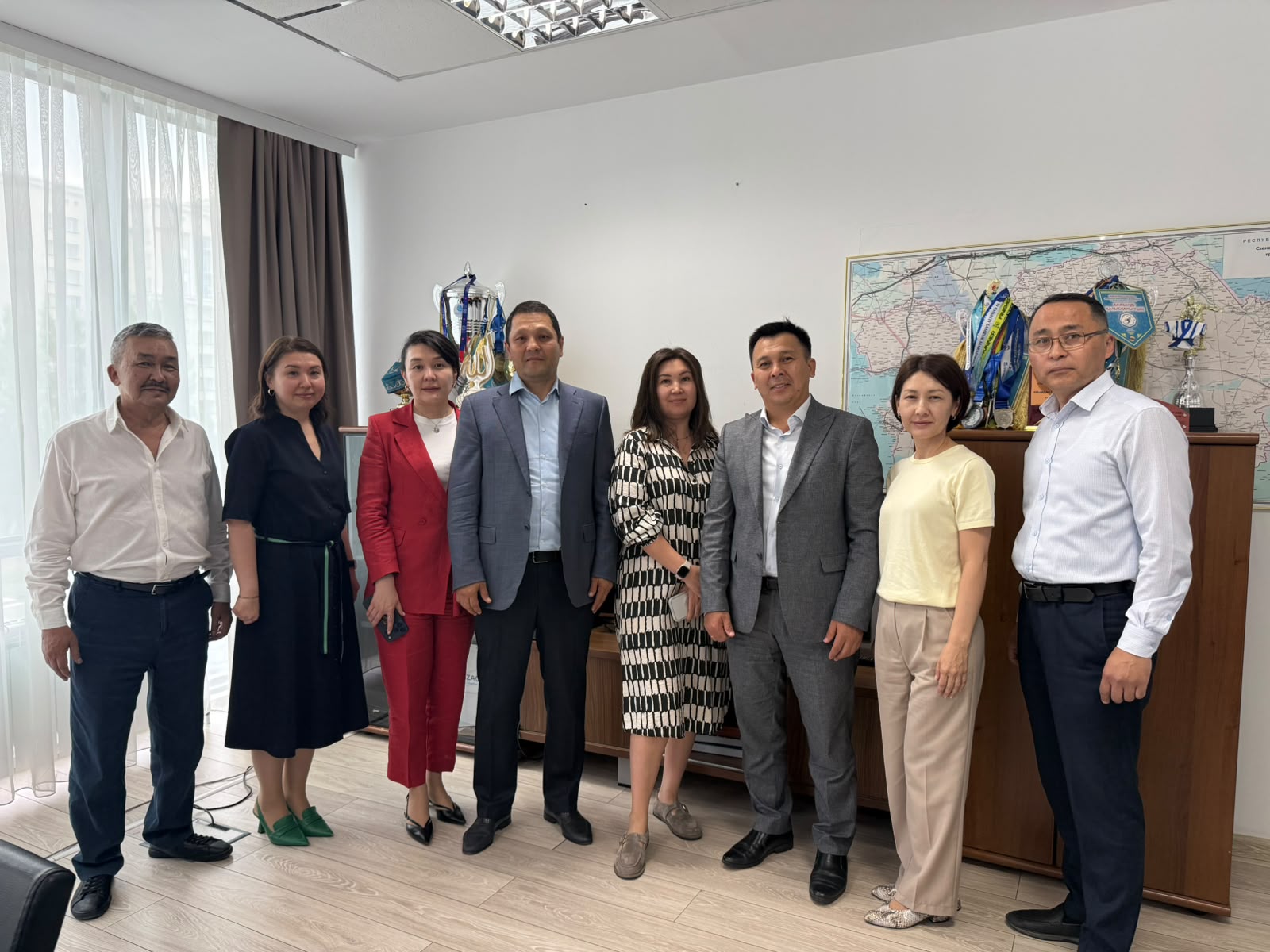
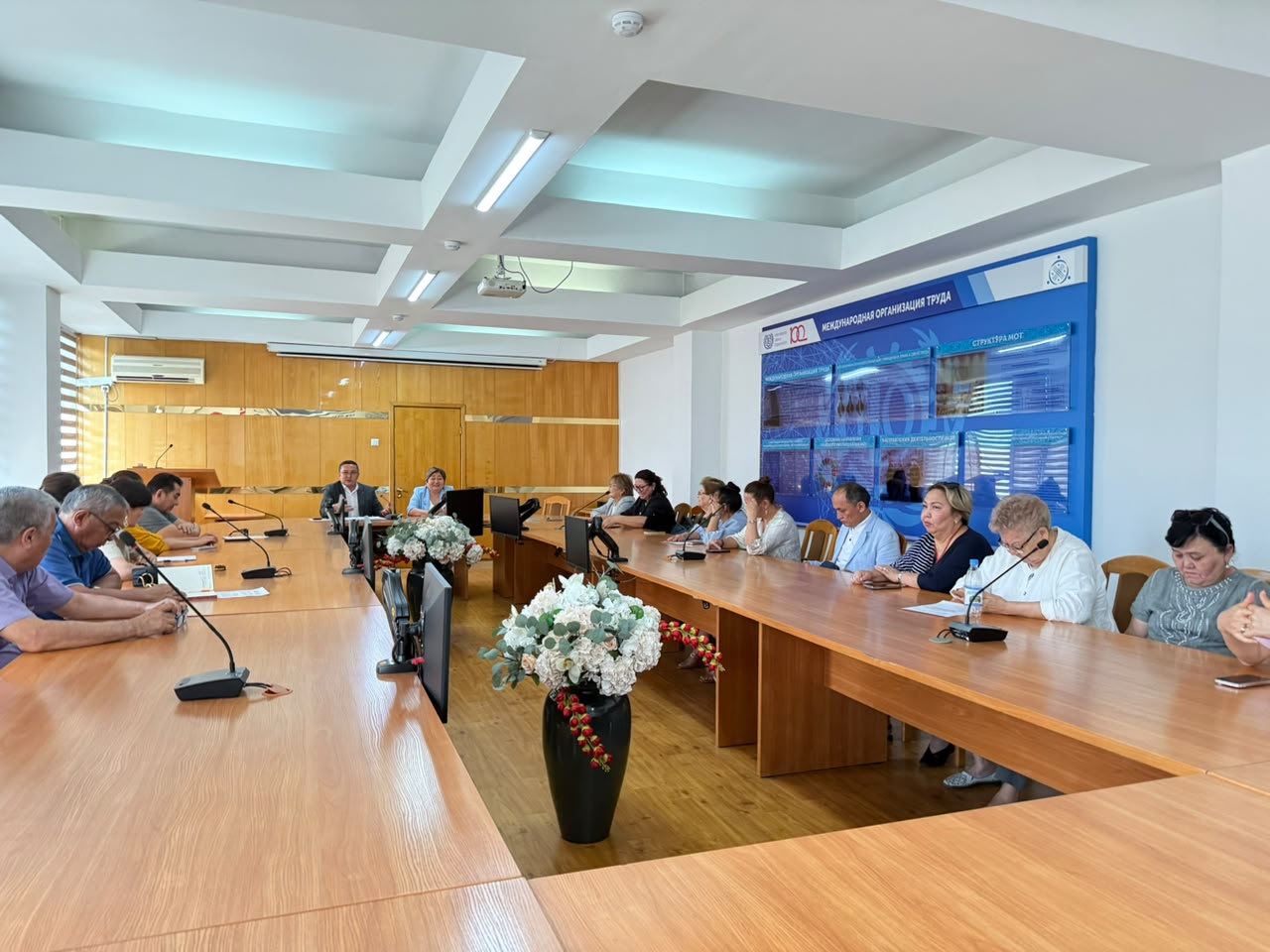
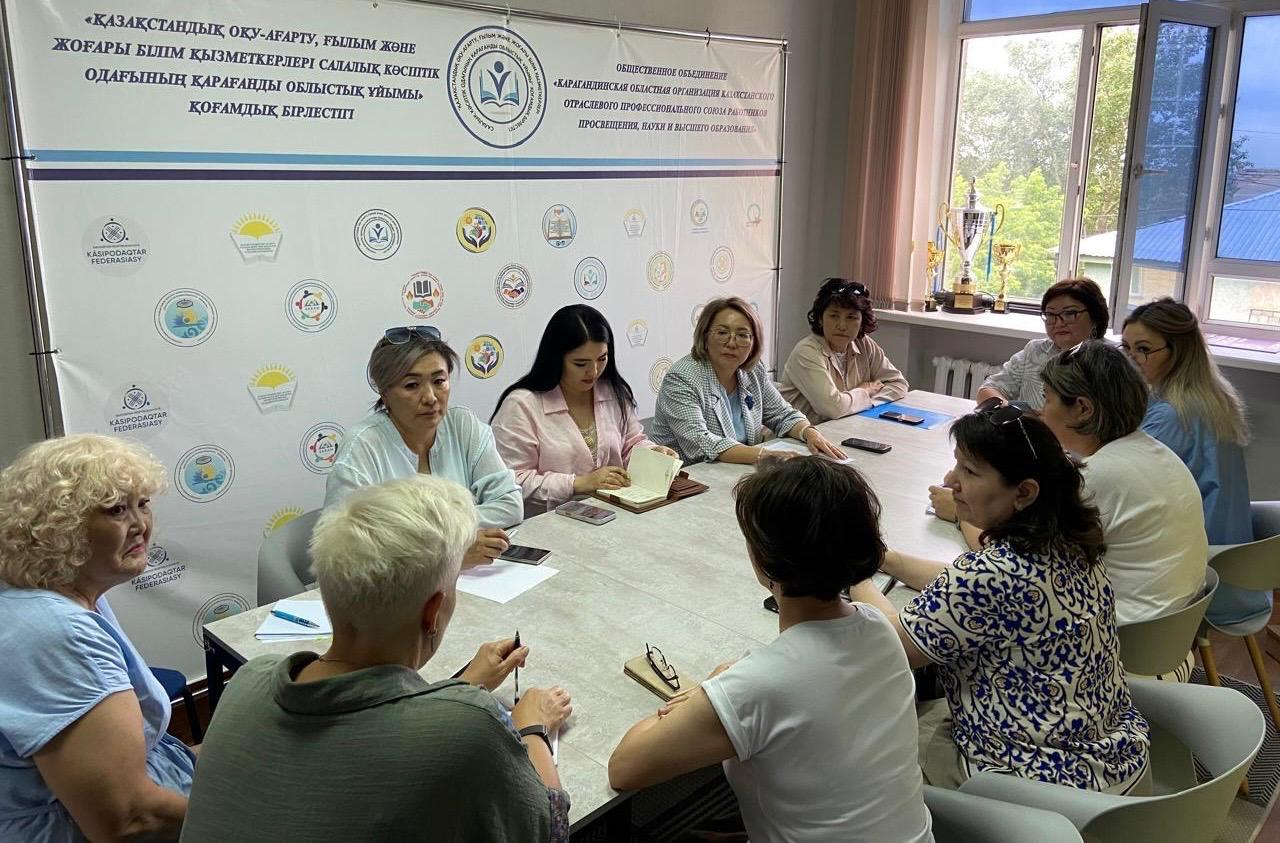
Following the conclusion of the Conference, members of the FTURK delegation held a series of meetings with trade union activists in regional and sectoral organizations, presenting the main outcomes of the International Labour Conference and sharing the key conclusions drawn from discussions held at the international level.
.jpeg)
FTURK Trade Union Communications Centre