
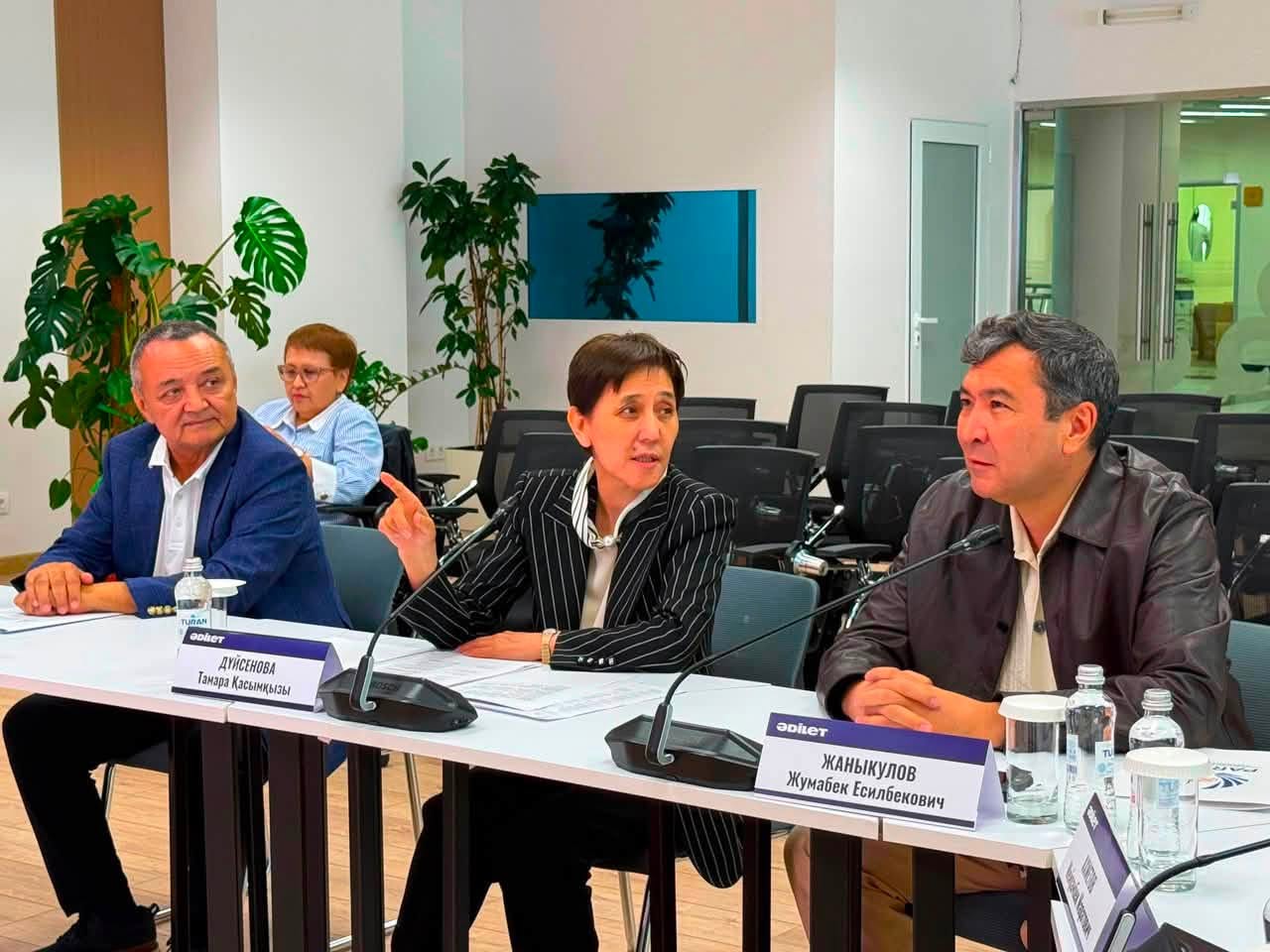
On Wednesday, 19 August, an official meeting was held with the participation of representatives of the Federation of Trade Unions of the Republic of Kazakhstan, the National Confederation of Employers “Paryz”, the Academy of Political Management of the “Adilet” Party and the Ministry of Labour and Social Protection of the Population of the Republic of Kazakhstan.
The event was attended by Mukhtar Tinikeev, First Deputy Chairman of the Federation of Trade Unions of the Republic of Kazakhstan; Tamara Duissenova, Director of the Academy of Political Management of the “Adilet” Party; Zhumabek Zhanykulov, Chairman of the “Paryz” Confederation of Employers; Meirambek Akhmetov, Chairman of the Committee for Labour Inspection of the Ministry of Labour and Social Protection of the Population of the Republic of Kazakhstan; as well as representatives of the expert community.
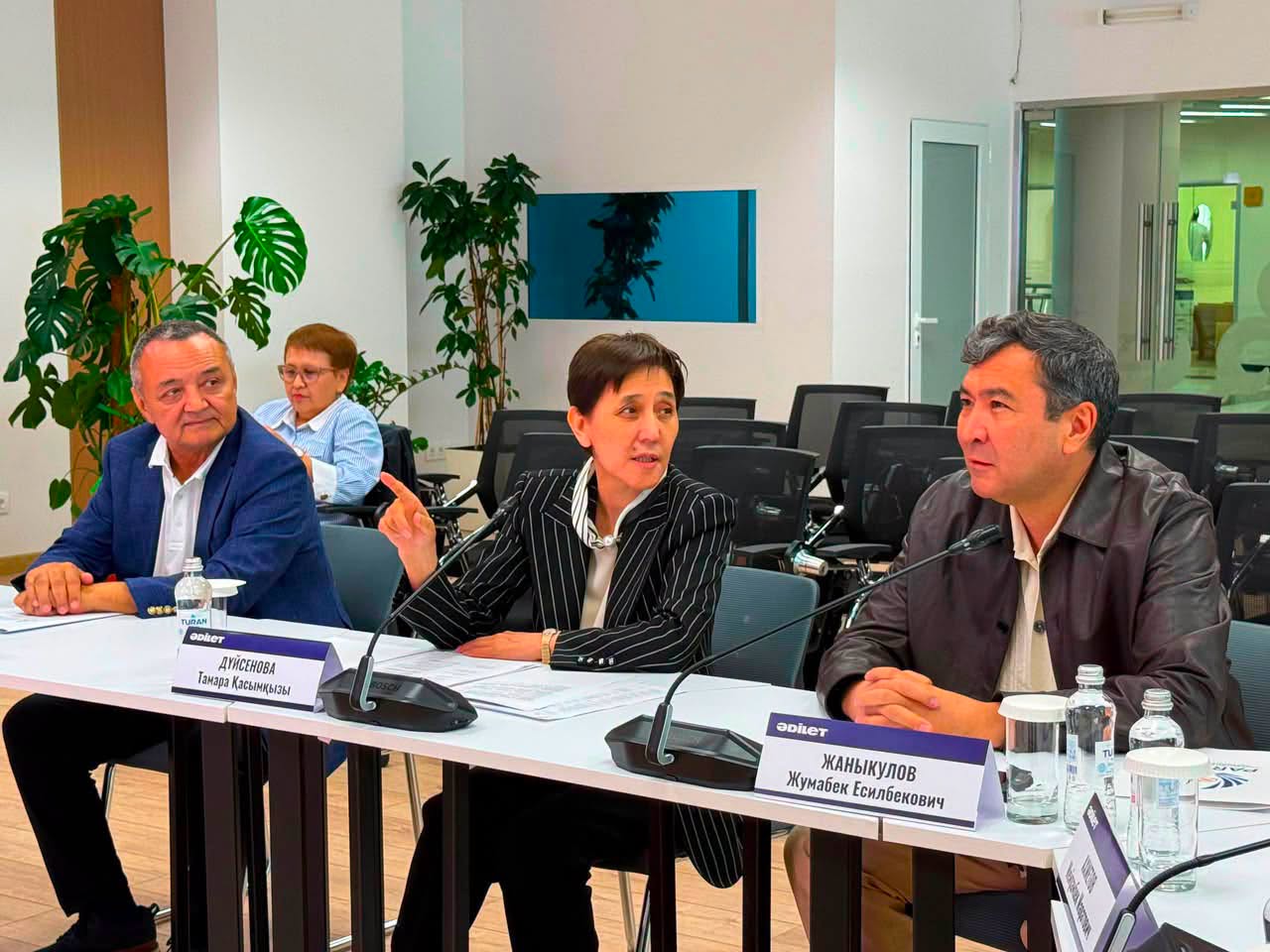
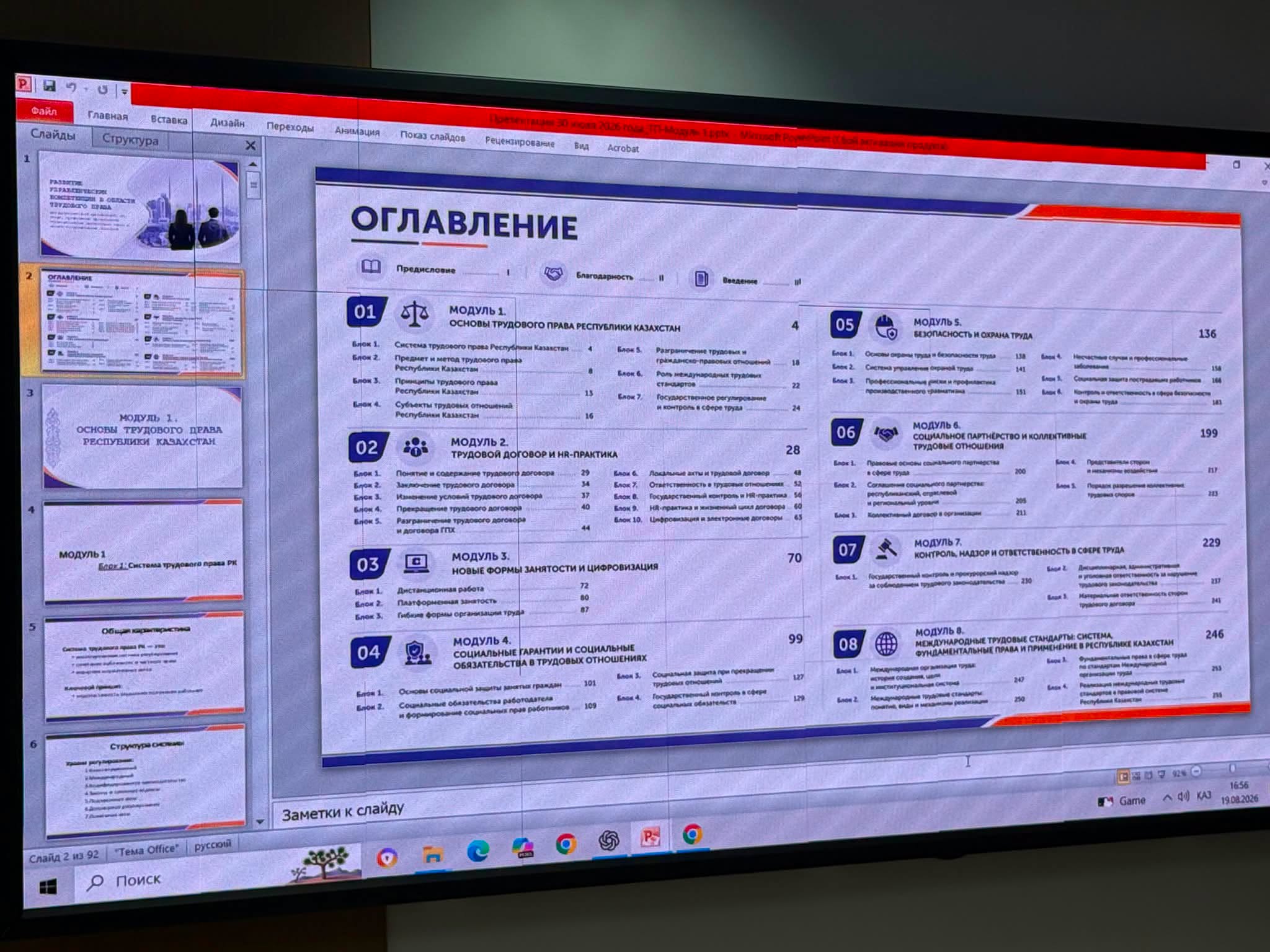
During the meeting, a new educational programme, “Development of Management Competencies in the Field of Labour Law”, was presented. The programme is aimed at improving the qualifications of specialists in the field of labour. Participants discussed mechanisms for its implementation, including determining the list of enterprises that will receive training as a priority, as well as selecting qualified lecturers for the project.
The eight-module educational programme covers a wide range of issues — from the fundamentals of labour legislation to modern areas, including HR practices, digitalization of employment contracts, remote work and platform employment.
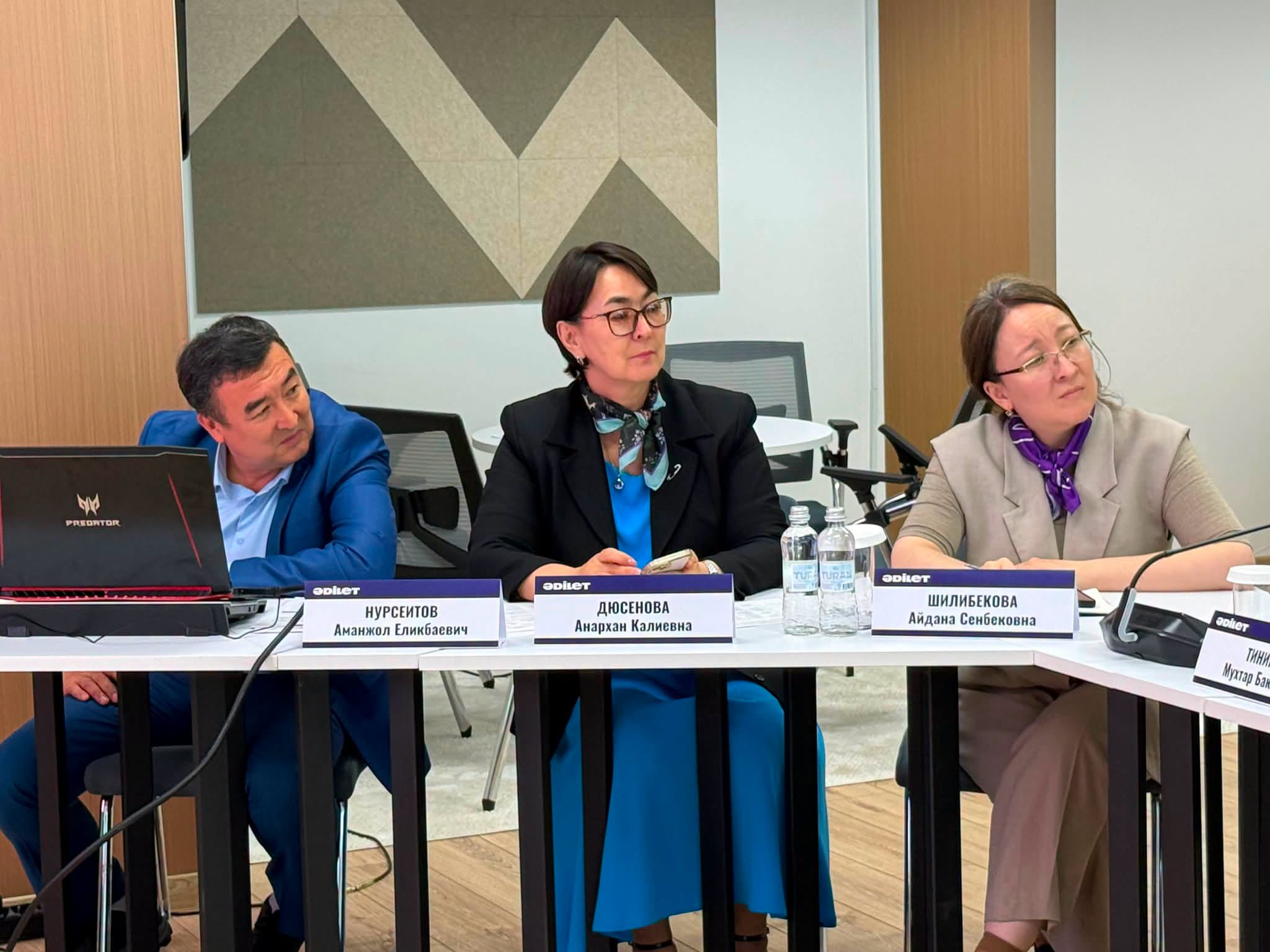
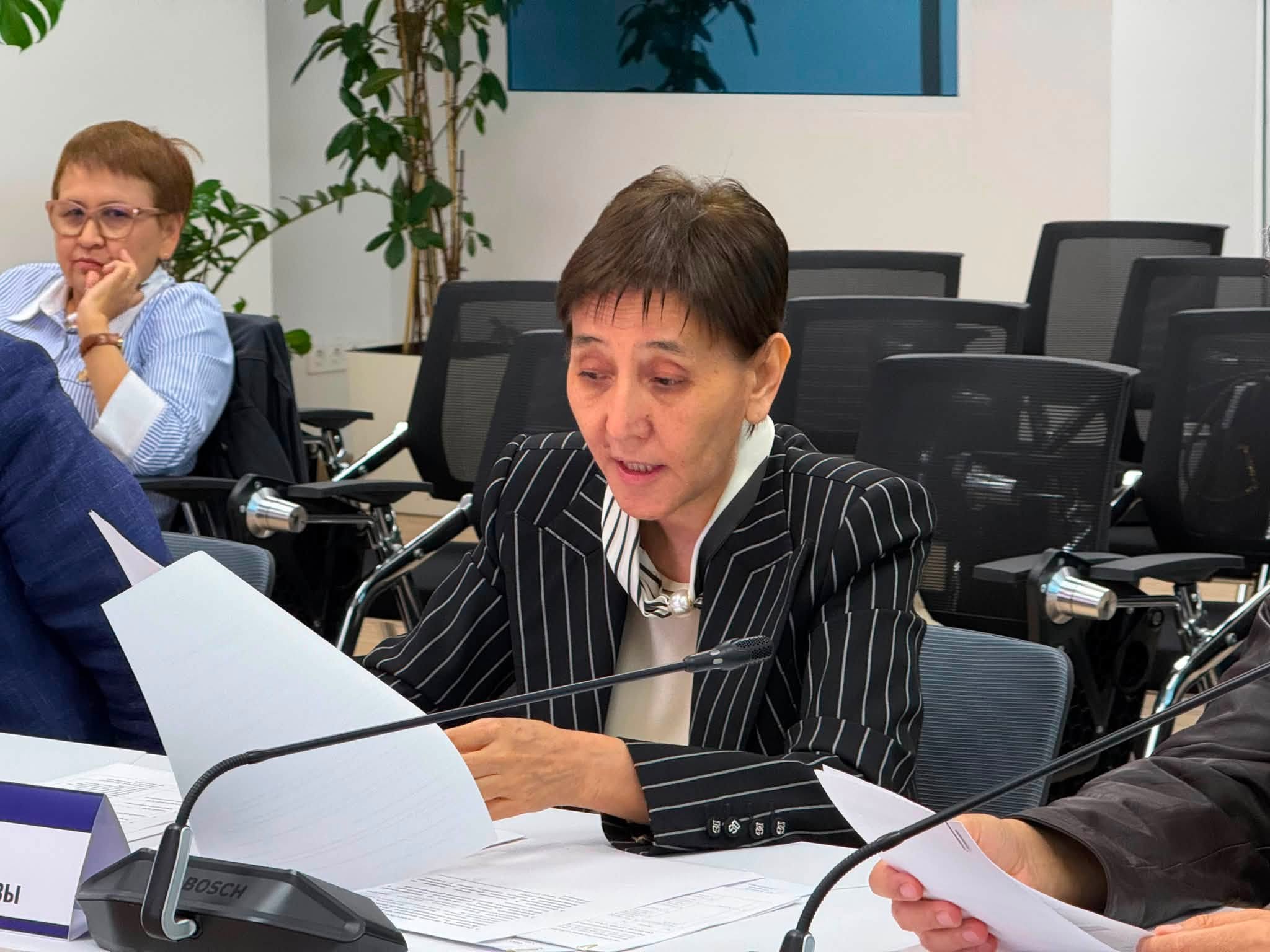
Tamara Duissenova, Director of the Academy of Political Management of the “Adilet” Party, spoke about the content of the programme and the mechanisms for its implementation.
“This course focuses not on dry theory, but on specific examples from real life. For example, in complex situations involving allowing a person to work without concluding an employment contract or the formalization of a contract, an algorithm of actions is determined for the employer, employee, trade union, HR department, labour inspector and conciliation commission. All materials have been developed in digital format. Training follows the ‘theory — practical assignment — testing — knowledge assessment’ model. If the test result is insufficient, the participant is provided with additional assignments to deepen their knowledge,” Tamara Duissenova noted.
The Director of the Academy also spoke about the project’s future plans.
“About 30 organizations have already expressed interest. In addition, it is planned to involve 54–60 universities with labour law departments in the project. Our goal is to teach participants in practice how to resolve labour disputes within the framework of the law. Following expert review, the prepared materials will be approved as an official teaching manual. The project will be useful for trade union members and employers, as well as representatives of government bodies,” she said.
First Deputy Chairman of the Federation of Trade Unions of the Republic of Kazakhstan Mukhtar Tinikeev focused on the role of digitalization and artificial intelligence in today’s labour market and also emphasized the importance of improving workers’ legal literacy.
“Trade unions consider continuous education and professional development of working people to be one of their key principles, so that they can keep pace with the times and meet the requirements of the modern era. Today, digitalization has become an integral part of production and labour relations. In the context of such transformations, it is particularly important to improve workers’ digital skills and legal literacy,” Mukhtar Tinikeev noted.
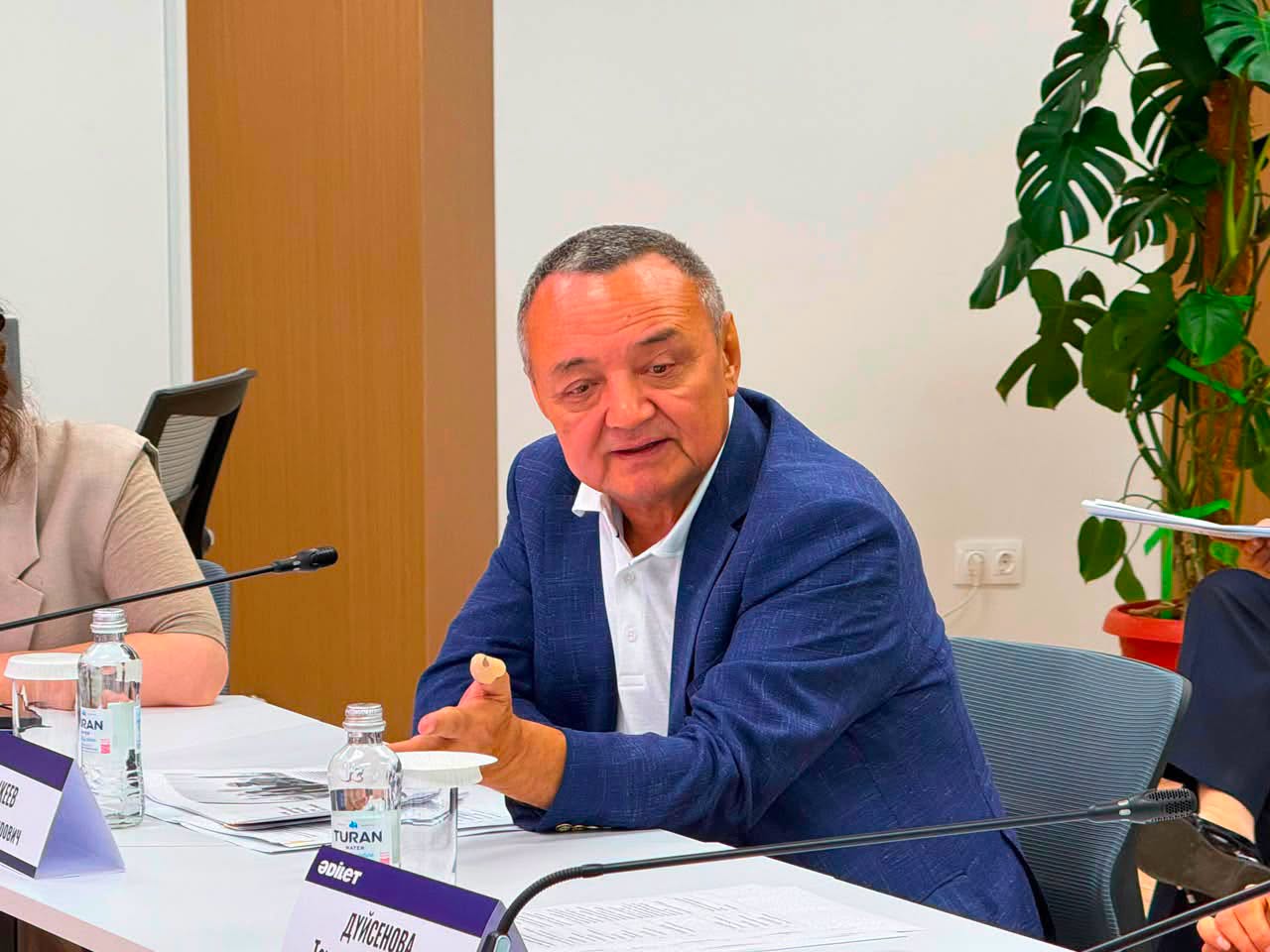
Mukhtar Tinikeev cited the work of the Federation of Trade Unions of the Republic of Kazakhstan and its territorial organizations as an example: between 2020 and 2025, 2,760 training seminars were held, covering more than 135,000 people. During these years, large-scale projects such as the “Trade Union Leader School”, “Educational Marathon” and “Universal Legal Education” were successfully implemented. At the end of 2025, the educational marathon “Application of Artificial Intelligence in Trade Union Work” was launched, and a standard for protecting workers’ rights when introducing AI into production was also developed.
“Digital changes must necessarily be accompanied by an updated education system. We need to create a new labour system in which workers continuously improve their qualifications, employers invest in workforce development, and trade unions participate in shaping a modern labour culture. By educating working people today, we open up new opportunities for them tomorrow,” Mukhtar Tinikeev concluded.
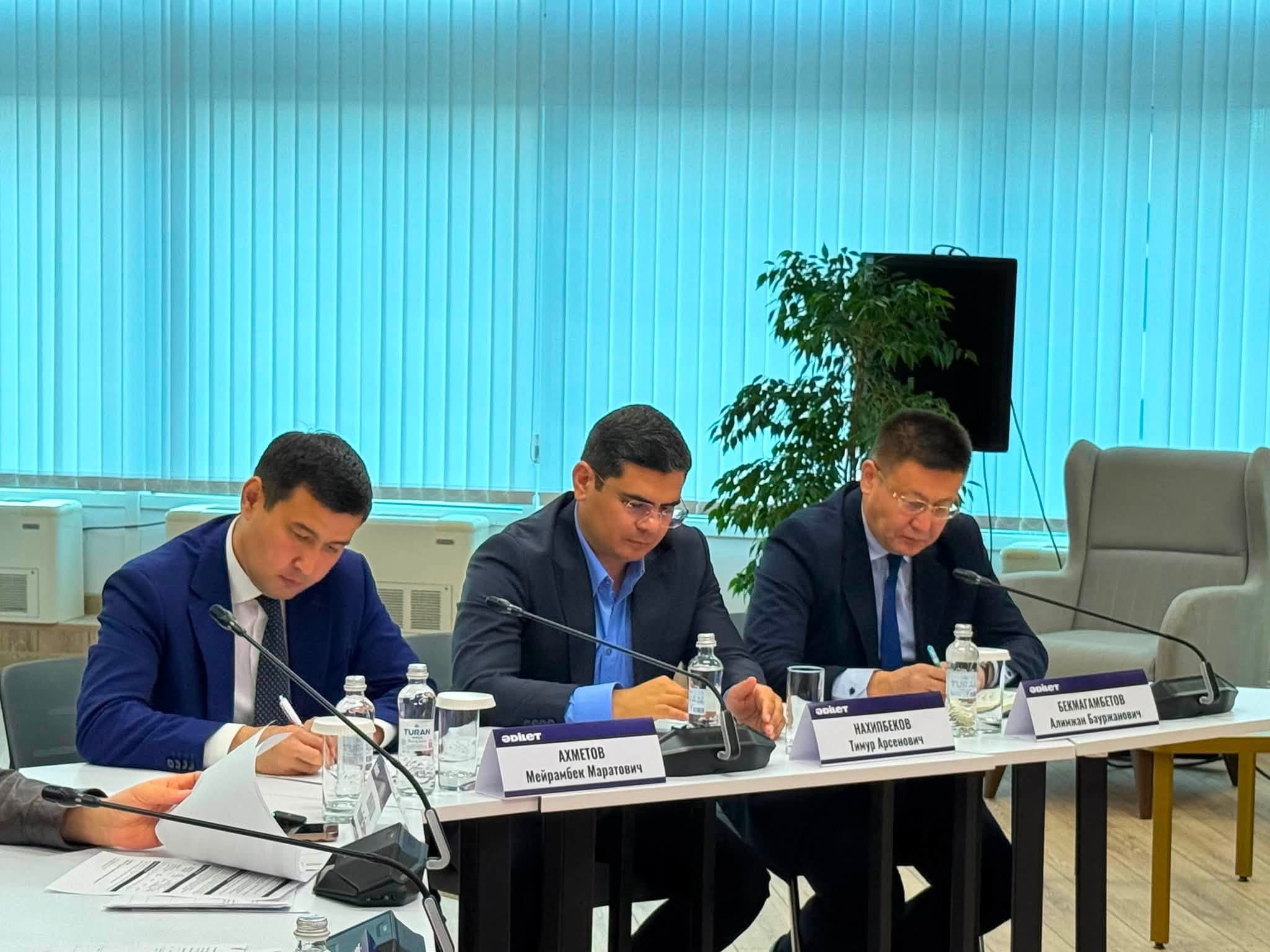
Following the meeting, the parties agreed to combine the efforts of government bodies, employers and the academic community to successfully implement the new educational programme.
Trade Union Communications Centre
FTURK