
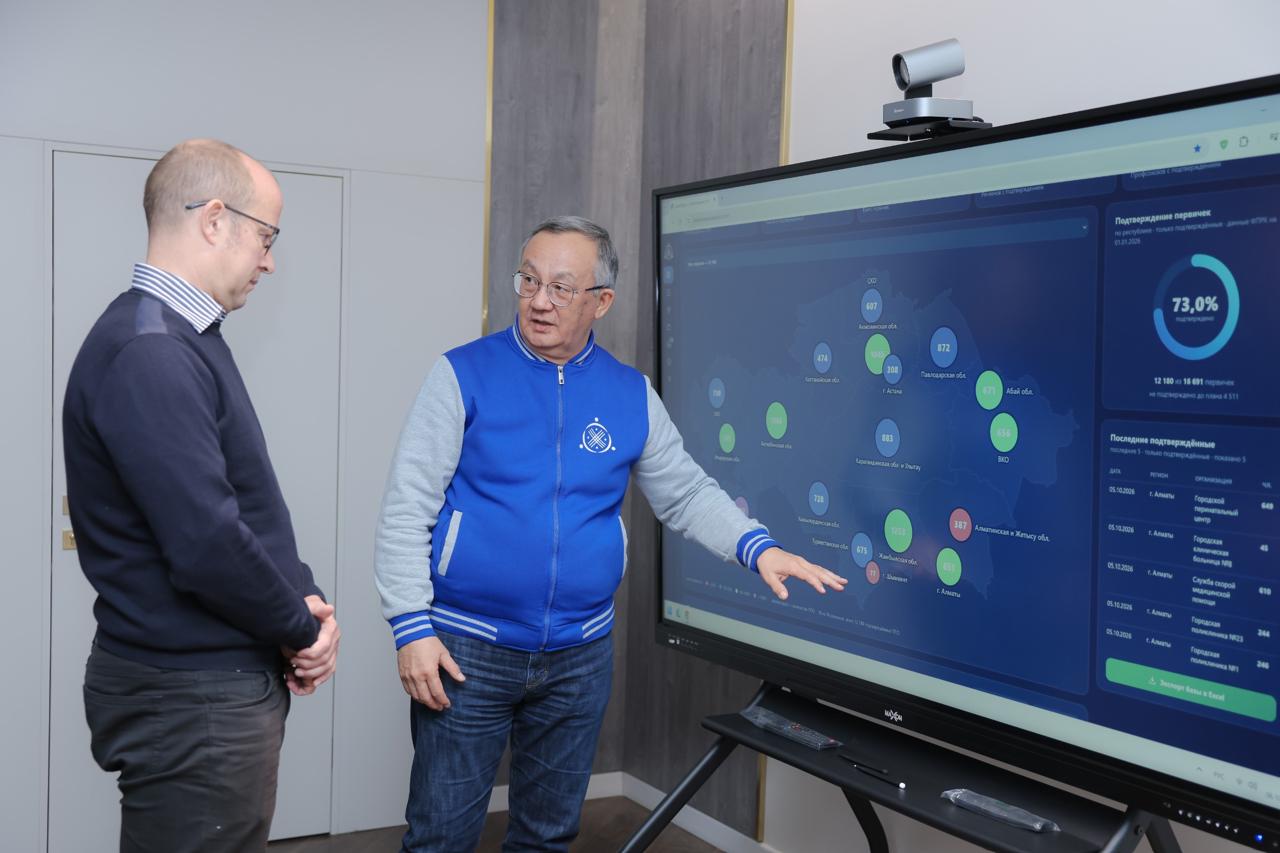
On Tuesday, 6 October, Satybaldy Dauletalin, Chairman of the Federation of Trade Unions of the Republic of Kazakhstan (FTURK), met with Anton Leppik, Executive Secretary of the Pan-European Regional Council (PERC) of the International Trade Union Confederation (ITUC).
The international expert arrived in Kazakhstan to participate as a speaker at the international forum “Digital Labour and Artificial Intelligence”, organised by FTURK with the support of the International Labour Organization (ILO). This is the first trade union forum in the region dedicated to the development of digital labour.
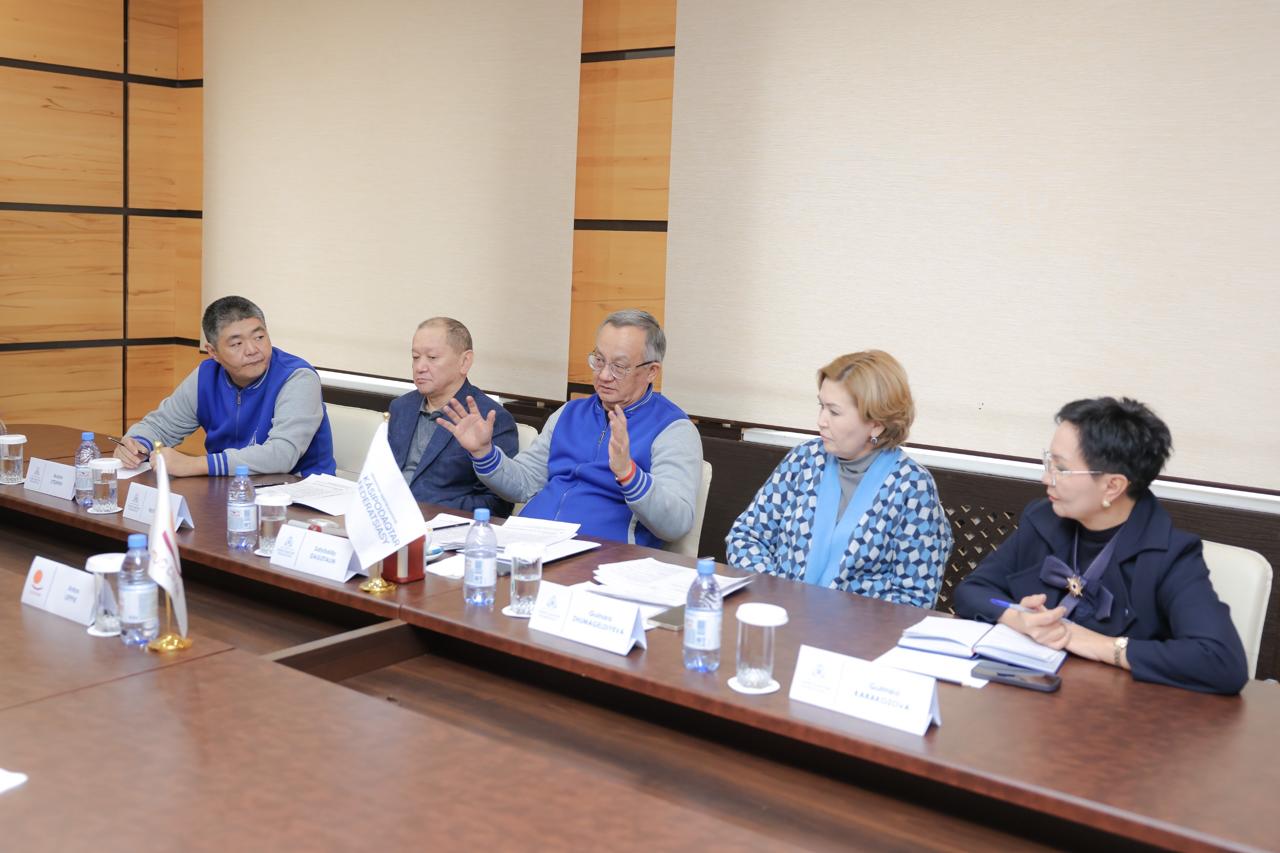
During the meeting, the FTURK Chairman spoke about the participation of trade union representatives in the work of the newly established public institutions — the Kurultai and the People’s Council. According to him, representatives of the trade union movement have joined the committees of the People’s Council.
“We will raise pressing issues affecting working people. We view the People’s Council primarily as an opportunity to advance the principles of decent work and use this platform for the benefit of workers. We will present the trade unions’ proposals in the near future,” said the FTURK Chairman.
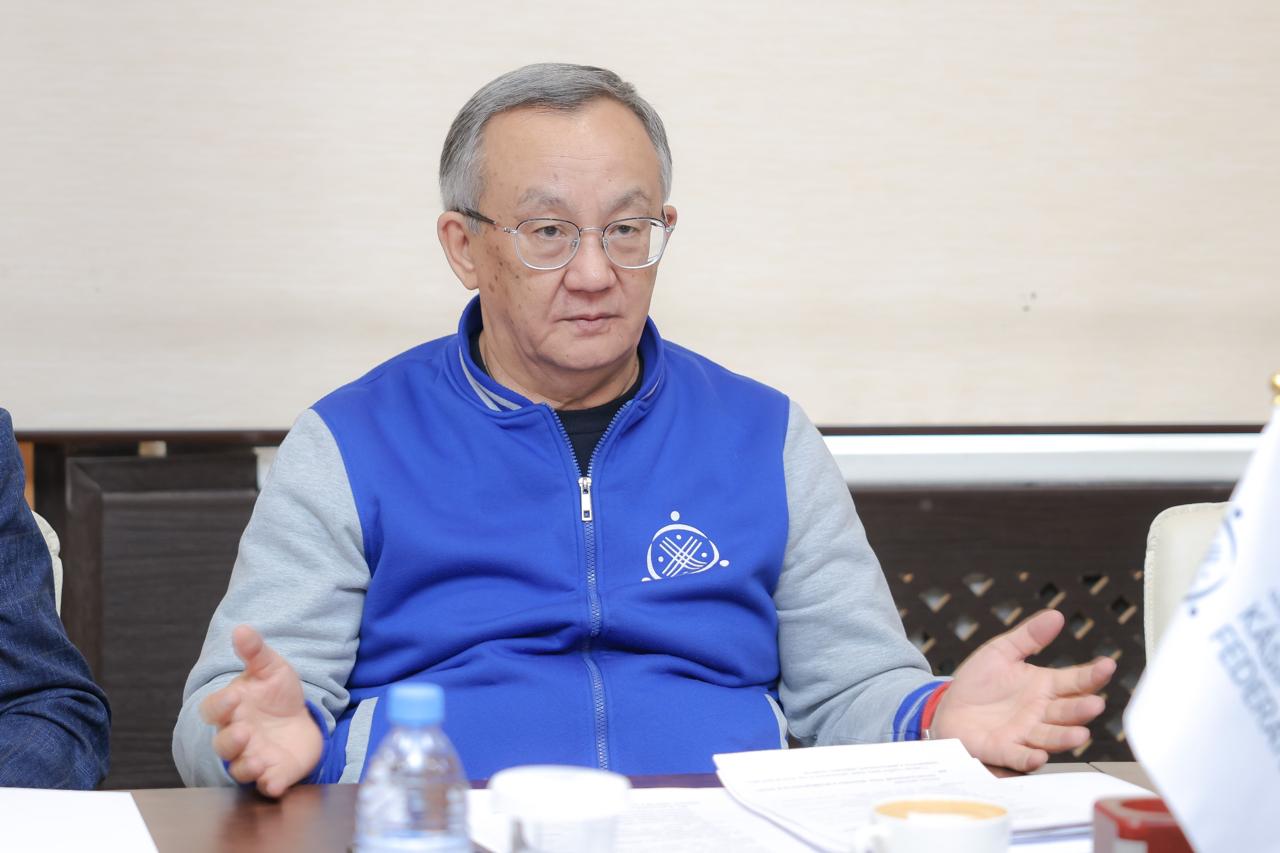
Speaking about the international forum “Digital Labour and Artificial Intelligence” initiated by FTURK, Satybaldy Dauletalin noted that trade unions must actively participate in shaping approaches to digital transformation in the world of work.
“Our country is currently making rapid progress in digitalisation and the adoption of artificial intelligence. We, too, are moving in step with these transformations. However, it is important to us that technology does not replace people. People are the priority and must remain at the centre of all these decisions. We hope that this forum will also give further momentum to this agenda,” emphasised the FTURK Chairman.
The forum is expected to adopt a Tripartite Declaration on Digital Labour and Artificial Intelligence and a Trade Union Digital Charter, both developed by FTURK.
“Government authorities and employers’ representatives have submitted their proposals for the Declaration. We have taken our social partners’ recommendations into account in preparing the final document. We intend to present the Trade Union Charter as the trade union movement’s position on digital labour and the use of artificial intelligence. I believe it will serve as a point of reference not only for Kazakhstani trade unions but also for the global trade union movement. Another practical component of the forum will be a project laboratory, where participants will develop recommendations and identify potential pilot projects for implementing the adopted documents,” Satybaldy Dauletalin noted.
As highlighted during the meeting, the forum’s international expert participation will make it possible to discuss digital transformation in light of the experience of different countries. The programme includes a dedicated trade union track involving representatives of national trade union centres from Kazakhstan and partner countries, as well as experts from the ITUC and the ILO.
“I believe we have a strong combination of international experts, the perspectives of the ITUC and the ILO, an understanding of global trends, contributions from employers, government representatives, academics, experts and our national specialists. The trade union track will also give us an opportunity to develop practical solutions to pressing issues related to digital labour,” said the FTURK Chairman.
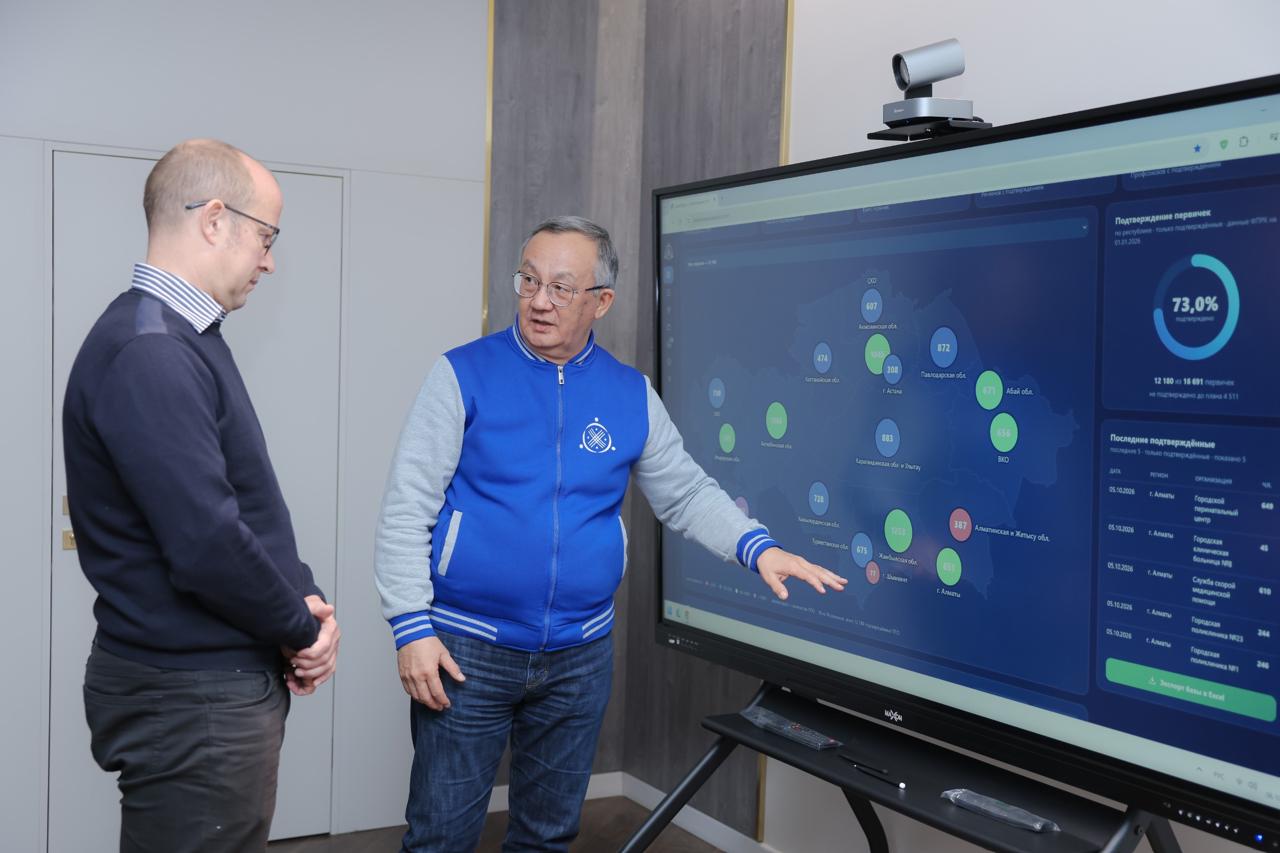
Satybaldy Dauletalin also spoke about the digital transformation of the Federation itself. According to the Chairman, following the adoption of the “Together into a Digital Future” Concept, FTURK has been implementing a Roadmap, developing digital tools and introducing its first dashboards.
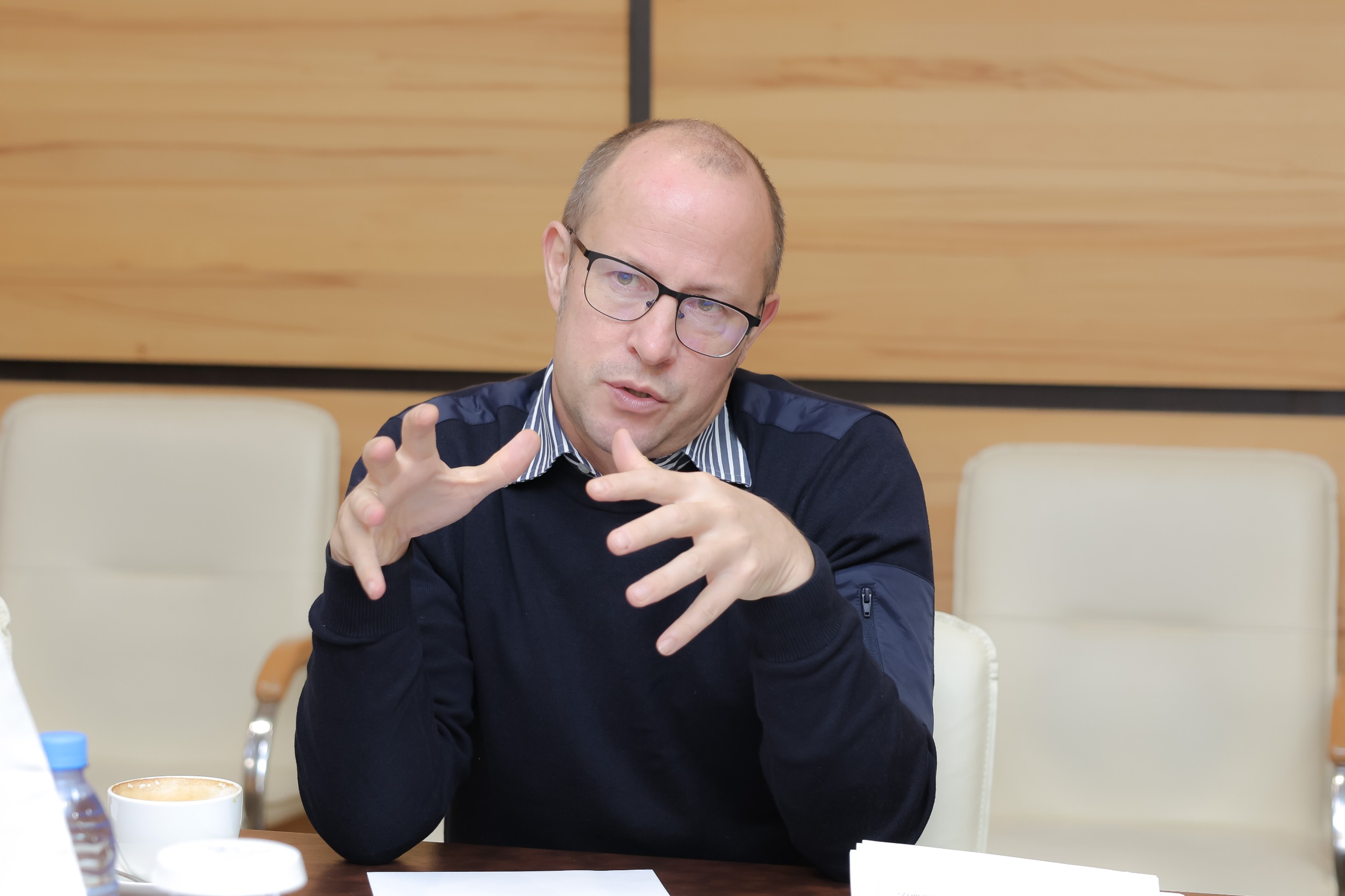
In turn, Anton Leppik, Executive Secretary of the ITUC Pan-European Regional Council, highlighted the need for trade unions to develop a clear and universally applicable approach to artificial intelligence based on shared principles.
He noted that the introduction of new technologies raises several issues for trade union organisations, including information security, accountability for decisions made using AI, and the rules governing the use and storage of data.
The PERC Executive Secretary stressed that these issues have already extended beyond individual organisations and require coordinated approaches at the international level. He noted that the international trade union movement is discussing the possibility of developing common standards that would establish the fundamental principles governing the use of artificial intelligence in the world of work and in trade union activities.
“Last year, PERC highlighted the need to develop such an international standard, including under the auspices of the ILO. This discussion is ongoing. Last year, you presented a standard developed by the Federation of Trade Unions of Kazakhstan, which has been taken into consideration by the international trade union community. I believe the trade union movement recognises the need to adopt such a document,” Anton Leppik noted.
Satybaldy Dauletalin and Anton Leppik agreed that digitalisation requires coordinated approaches to protecting labour rights, ensuring accountability for decisions made using AI, and involving workers in shaping the new rules.
The discussion will continue at the international forum “Digital Labour and Artificial Intelligence”, which opens in Astana on 7 October.
FTURK Trade Union Communications Centre